BoltGrid
BoltGrid
BoltGrid
Our top-tier network and GPU architectures configured for real-time failover, low-latency sync, and advanced disaster recovery deployments.
BoltGrid Computing Systems Co., Ltd. stands at the absolute forefront of high-performance computing design, specializing in bespoke AI GPU server architectures, custom GPU cluster systems, and dynamic AI data center recovery solutions. Founded in 2016, we have consolidated a decade of industry expertise to deliver customized compute and resilient storage nodes engineered to prevent downtime under catastrophic events.
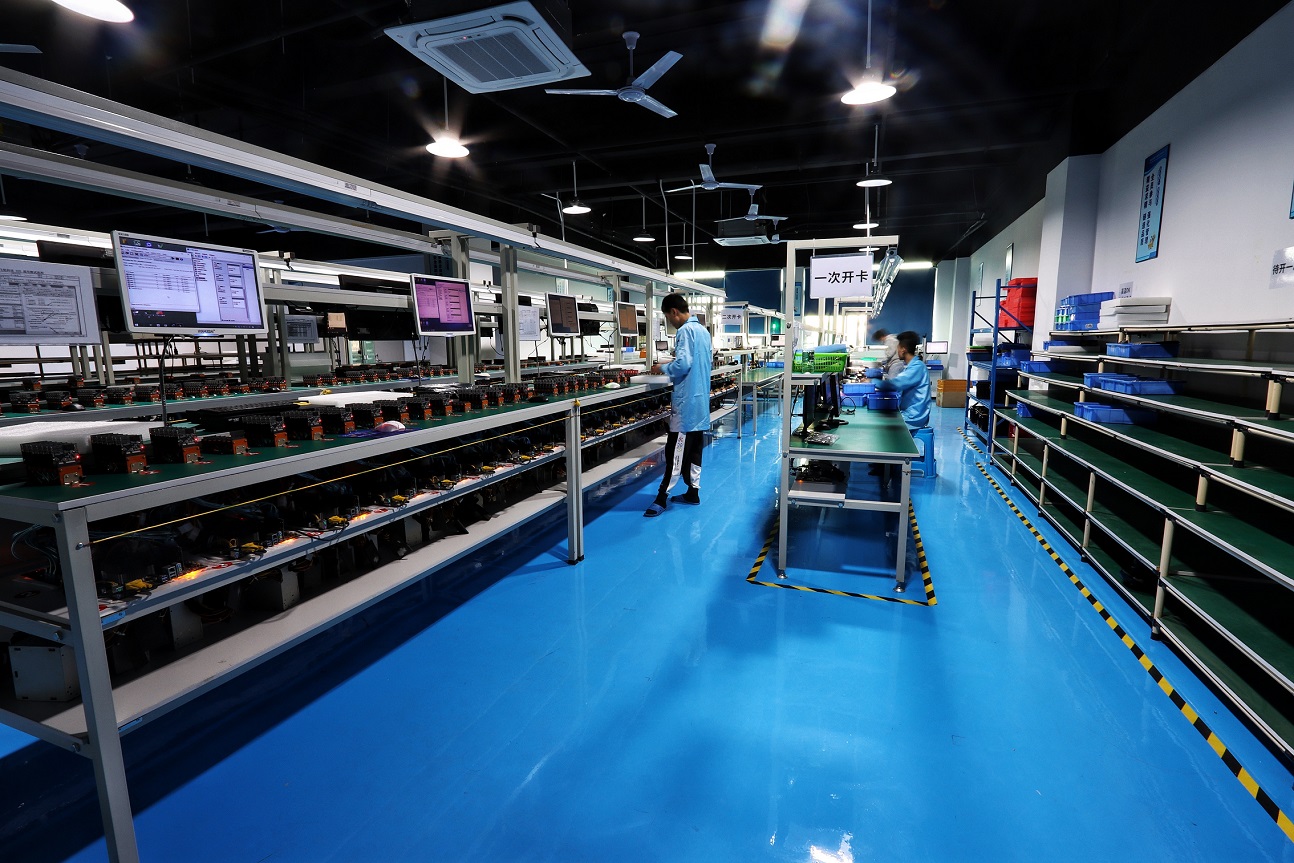
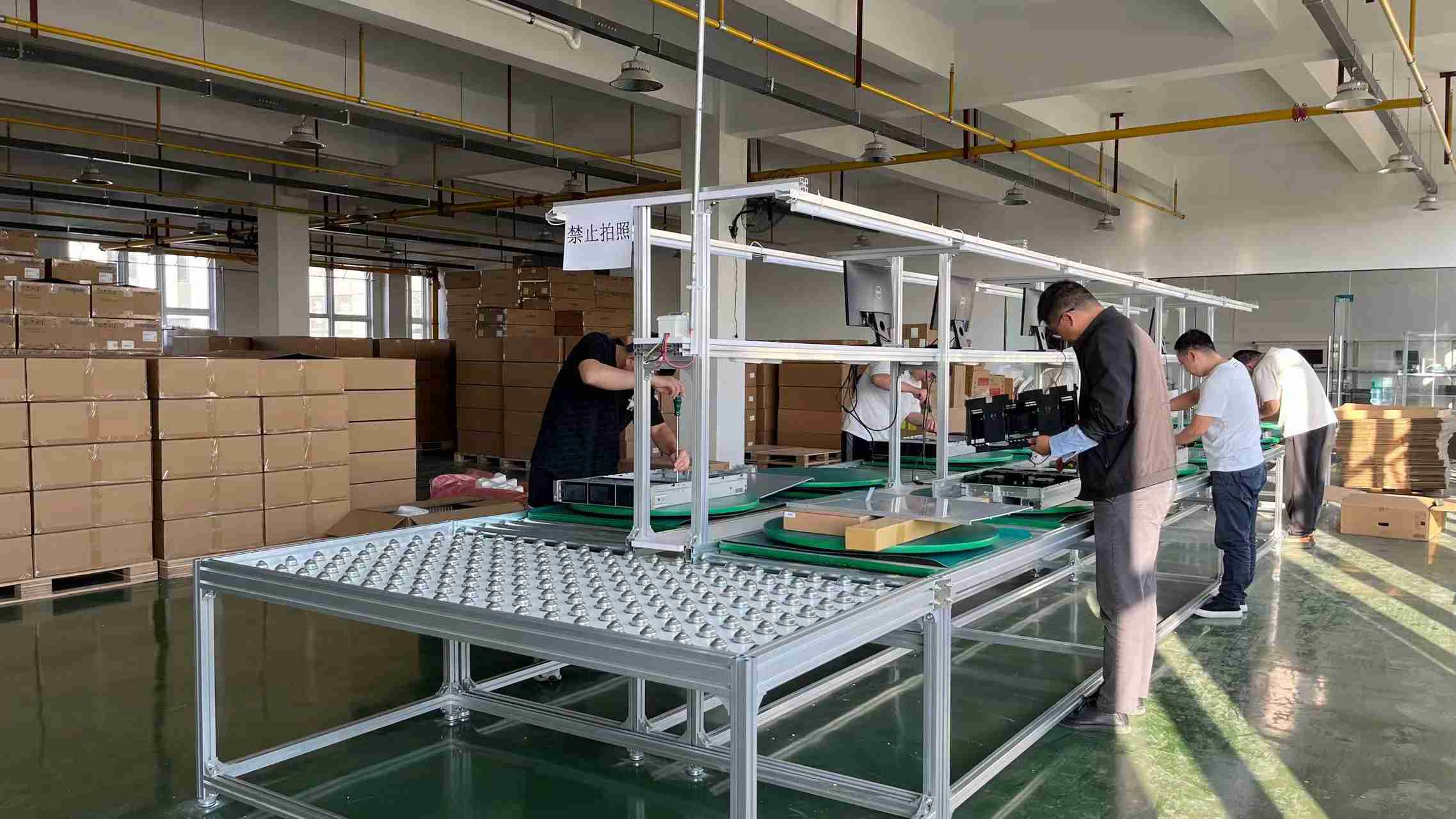
Operational capability underpins our custom OEM/ODM commitments. Spanning over an active 18,500㎡ modern production facility, our factory handles everything from bare-metal component layout to complex system integration and testing. With strategic channel networks exceeding 850+ global industry partners, we secure critical hardware pipelines including advanced GPU accelerators, ultra-high-density storage pools, PCIe Gen5 network switches, and redundant power supplies.
A deep exploration into system design paradigms, fault-tolerant topologies, and next-generation storage synchronization techniques.
We design server mainboards and network interfaces supporting NVMe-oF (NVMe over Fabrics) and CXL (Compute Express Link) for sub-millisecond memory replication over distances. This eliminates transaction lag, bringing Recovery Point Objective (RPO) close to absolute zero.
Integrating intelligent BMC and Out-of-Band (OOB) remote telemetries allows hardware modules to instantly route active workloads to physical failover target server clusters. High-performance microprocessors supervise real-time thermal, power, and state stability.
Looking forward, our R&D roadmap focuses on AI-driven failure prediction models embedded directly inside system firmware. By continuously analyzing voltage dips, chassis resonance, and ECC memory faults, servers can mitigate physical crashes before they take down the hypervisor.
Modern compute applications demand more than software backup routines. Disaster recovery (DR) is fundamentally a hardware challenge. At BoltGrid, we build high-capacity computing nodes configured with dual-redundant hot-swappable power supply units (PSUs), complex fan arrays designed for failure mitigation, and high-frequency storage controllers. By utilizing high-density PCIe Gen5 lanes directly bridged to low-latency network interface cards (NICs), our system designs sustain persistent bandwidth to mirrored off-site storage targets. This infrastructure is critical when deploying AI training algorithms, massive enterprise databases, or private virtualized instances.
In typical legacy frameworks, a system crash in the primary datacenter requires manual administrative routing, leading to extensive Recovery Time Objectives (RTO). BoltGrid's hardware architecture targets immediate hardware-level hot-swap capabilities. Combined with specialized high-speed PCIe network cards and custom chassis design, we allow modern virtualization environments to carry out seamless state-replication across high-speed connections, eliminating network bottlenecks and single-point-of-failure exposure.
Adapting customized OEM server configurations to meet specific compliance, network speed, and durability benchmarks across distinct verticals.
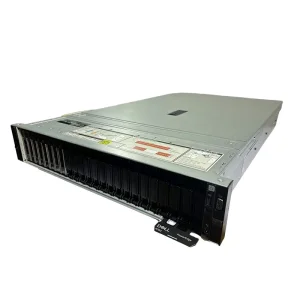
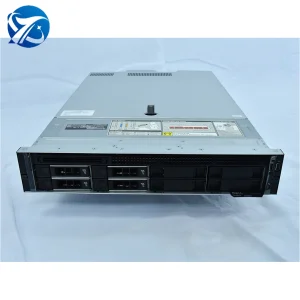
Financial services operate under extremely strict downtime regulations. A single second of data loss can lead to massive compliance penalties and customer friction. BoltGrid provides Custom OEM 1U and 2U rack server systems configured with multi-channel SAS HDD arrays and solid-state storage setups. Combined with optimized hardware RAID and dual physical switches, we prevent transaction failures. Our designs comply with PCI-DSS criteria, housing secure cryptoprocessors (TPM 2.0) to safeguard cryptographic keys at the physical level.
Medical systems require persistent access to Electronic Health Records (EHR) and high-resolution imaging data (PACS). BoltGrid's custom storage and computation servers provide high-density hot-swappable drive structures with robust cooling configurations. In case of localized power failures, our servers switch power modes efficiently without data corruption. Our systems support compliance with HIPAA regulations, ensuring data at rest is securely encrypted via dedicated physical controller chips.
With the rapid adoption of AI workloads (such as DeepSeek and LLMs), processing clusters require massive amounts of thermal headroom and processing stability. BoltGrid designs Custom OEM GPU systems featuring specialized airflow tunnels to cooling high-TDP cards. Our custom rack solutions support redundant networking pipelines, allowing real-time checkpoints of AI parameters to be pushed to remote cluster nodes without throttling primary operations.
Deploying servers in cellular towers and remote base stations subjects them to dust, temperature variation, and unstable power grids. BoltGrid's ruggedized short-depth server chassis are built with dust filters, hardened components, and smart IPMI out-of-band control units. This enables remote diagnostics and automated power cycling, eliminating the need for expensive physical maintenance trips while keeping edge communications active during network issues.
How our state-of-the-art production plant, automated validation protocols, and material ecosystem benefit global OEM procurement.
Operating from our advanced 18,500㎡ facility in China, BoltGrid leverages the world's most integrated hardware manufacturing corridor. This strategic footprint provides access to crucial upstream raw materials, including custom steel alloy server chassis, high-layer PCB backplanes, and low-latency storage controllers. By sourcing materials locally, we minimize lead times, allowing us to ship highly customized orders within tight windows.
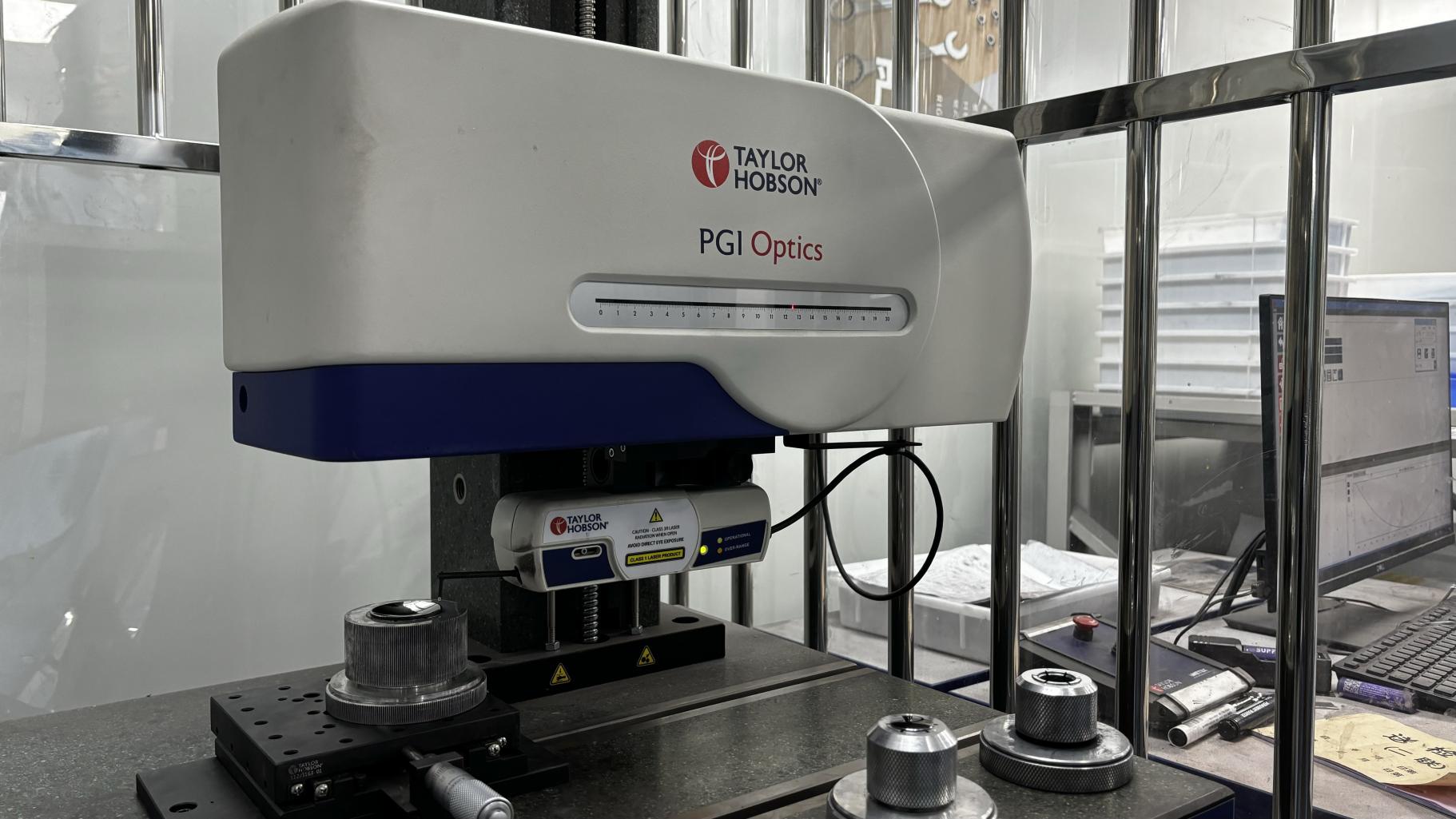
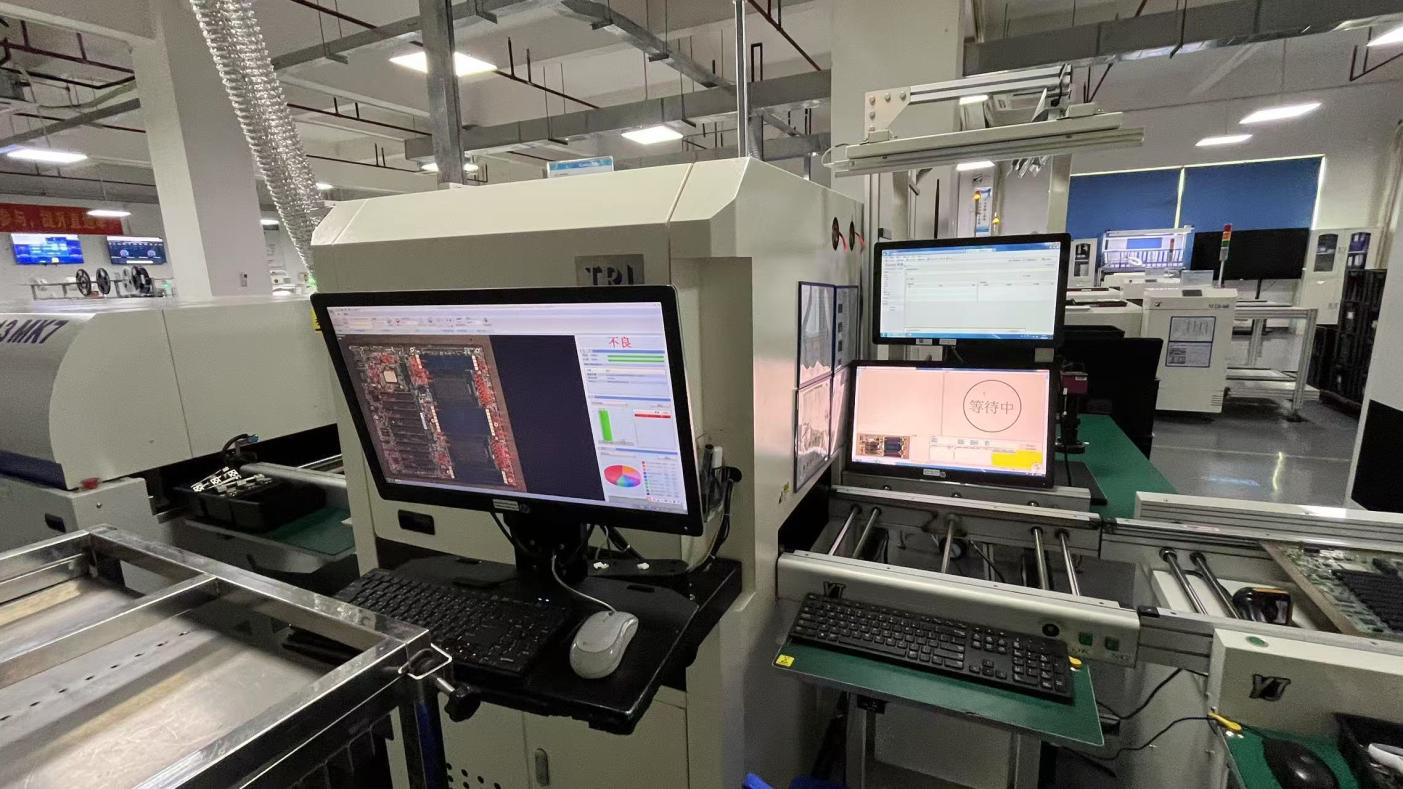
Our Quality Assurance infrastructure is managed by a dedicated team of 45 specialized inspectors using automated testing equipment. Every single computing system undergoes strict thermal cycle validation within environmental chambers, followed by high-workload simulation testing. We simulate extreme operating environments to guarantee that every system leaving our factory is fully stabilized for 24/7/365 production tasks.
Additionally, with a network of over 850 strategic partners, we manage global component shortages effectively. We maintain buffer stocks of key components, including Intel and AMD processors, DDR5 memory, and high-performance server cooling fans. This supply chain flexibility ensures consistent production output and predictable timelines, shielding your business from global market disruptions.
Ensuring regional compatibility, certification alignment, and localized support structures for global enterprises.
All BoltGrid servers carry international certifications, including CE, FCC, RoHS, and UL approvals. We work closely with our partners to ensure all systems conform to local electrical and safety requirements. Our compliance engineering team manages imports, certifications, and technical clearances.
To speed up replacement cycles, BoltGrid operates regional warehouse storage pools. Partners can store key assemblies, chassis parts, and drive modules near their critical data hubs. This localized backup setup ensures faster component swaps and cuts down shipping lead times.
Our engineers provide technical support for enterprise deployments. From custom IPMI scripting to complex BIOS modifications, our R&D team works directly with local IT operators to resolve issues, optimize performance, and keep your systems operating smoothly.
How we align technical design specs with commercial expectations to deliver high-value computing products.
Procurement teams face the challenge of balancing capital expenditure (CapEx) against the technical demands of high-performance hardware. Legacy systems often limit you to standard configurations, forcing you to pay for features you don't need or compromise on critical recovery capabilities. BoltGrid removes these bottlenecks by offering a fully customizable OEM platform.
Whether you need to scale memory, configure high-performance GPU cards, or integrate specialized network adapters, our engineers handle everything from concept designs to mass production. We collaborate with your engineering and finance teams to optimize chassis design, select cost-effective storage layouts, and integrate components that align with your operational targets.
We build and test initial prototypes, ensuring all physical layouts, power supplies, and cooling systems match your requirements.
We run a small initial batch to verify assembly quality, mechanical tolerances, and software configuration consistency.
We ramp up to full-scale production, coordinating shipping and customs handling to deliver systems directly to your designated integration hubs.
Get answers to common questions about custom OEM server configurations, lead times, quality checks, and disaster recovery support.
Explore our complete catalog of rack-optimized servers, GPU-accelerated computing nodes, and scalable storage hardware configurations.