BoltGrid
BoltGrid
BoltGrid
As the demand for massive data storage escalates globally, driven by machine learning pipelines, deep neural network training (such as DeepSeek-R1 and similar large language models), and hybrid cloud integration, the role of China's storage solutions factories has evolved from basic device assembly to comprehensive structural, thermal, and firmware engineering. Modern storage arrays demand unparalleled reliability, sub-millisecond access latencies, and long-term write endurance.
By establishing manufacturing processes at the heart of Asia's hardware capital, suppliers leverage direct, immediate access to vital components—ranging from the latest 3D NAND flash wafers and high-end storage controllers to custom-engineered PCB boards and multi-layer SAS/SATA connectors. This close geographical integration of the component ecosystem dramatically reduces production lead times and permits high-mix, low-volume customizations that are financially unfeasible in Western regions.
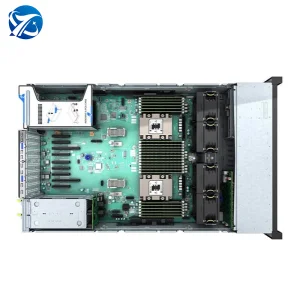
Furthermore, local design teams specialize in optimizing server backplane configurations, assuring that physical pathways support high-bandwidth protocols like SAS 12Gb/s and PCIe Gen5 NVMe interfaces. Through close-loop manufacturing, issues in layout optimization, thermal dissipation, or firmware compatibility are resolved directly on the factory floor, presenting global procurers with an unmatched speed-to-market advantage.
Established in 2016, BoltGrid Computing Systems Co., Ltd. stands as a professional AI GPU server and high-performance enterprise storage manufacturer. Over the past 12 years of industry experience, our strategic focus has extended to GPU cluster deployments, custom NAS devices, and enterprise solid-state drive integration.
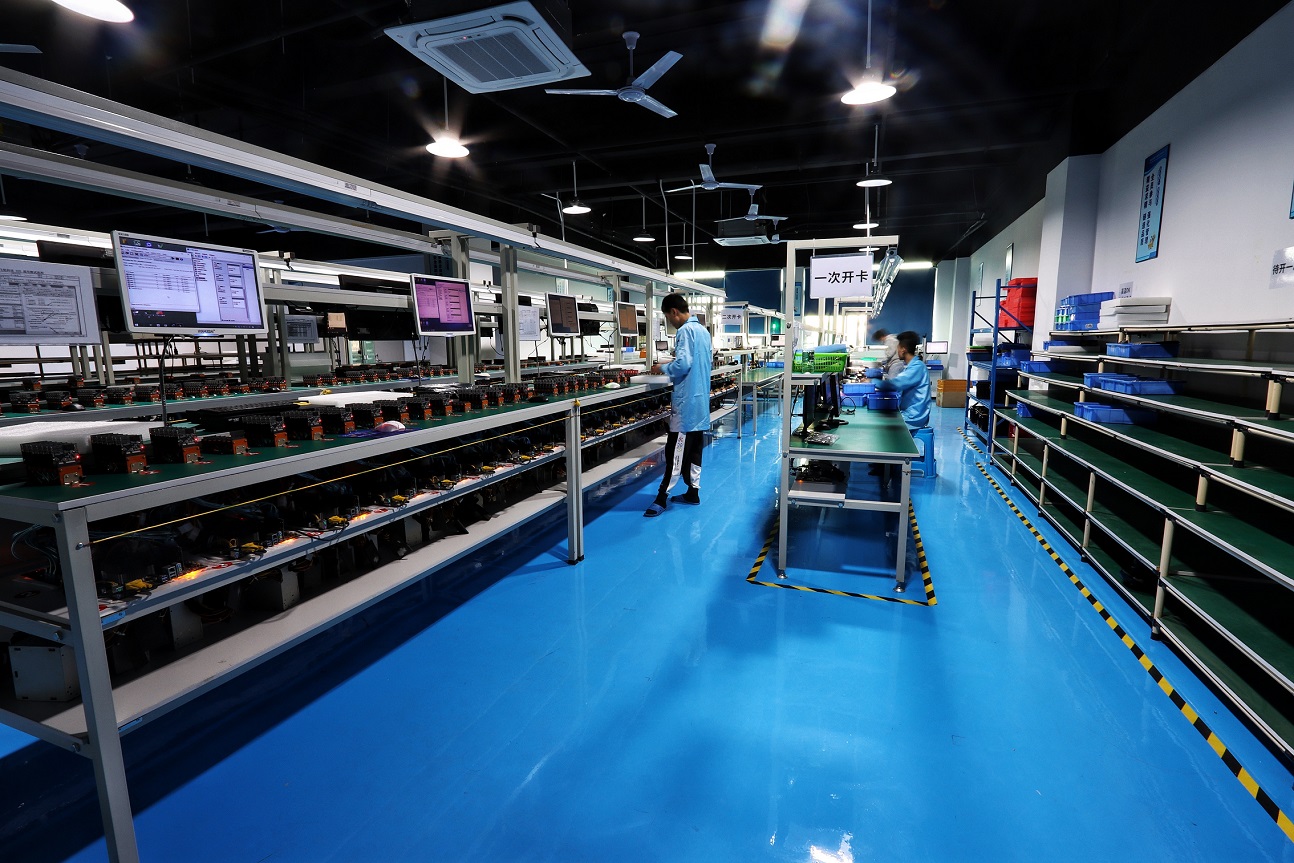
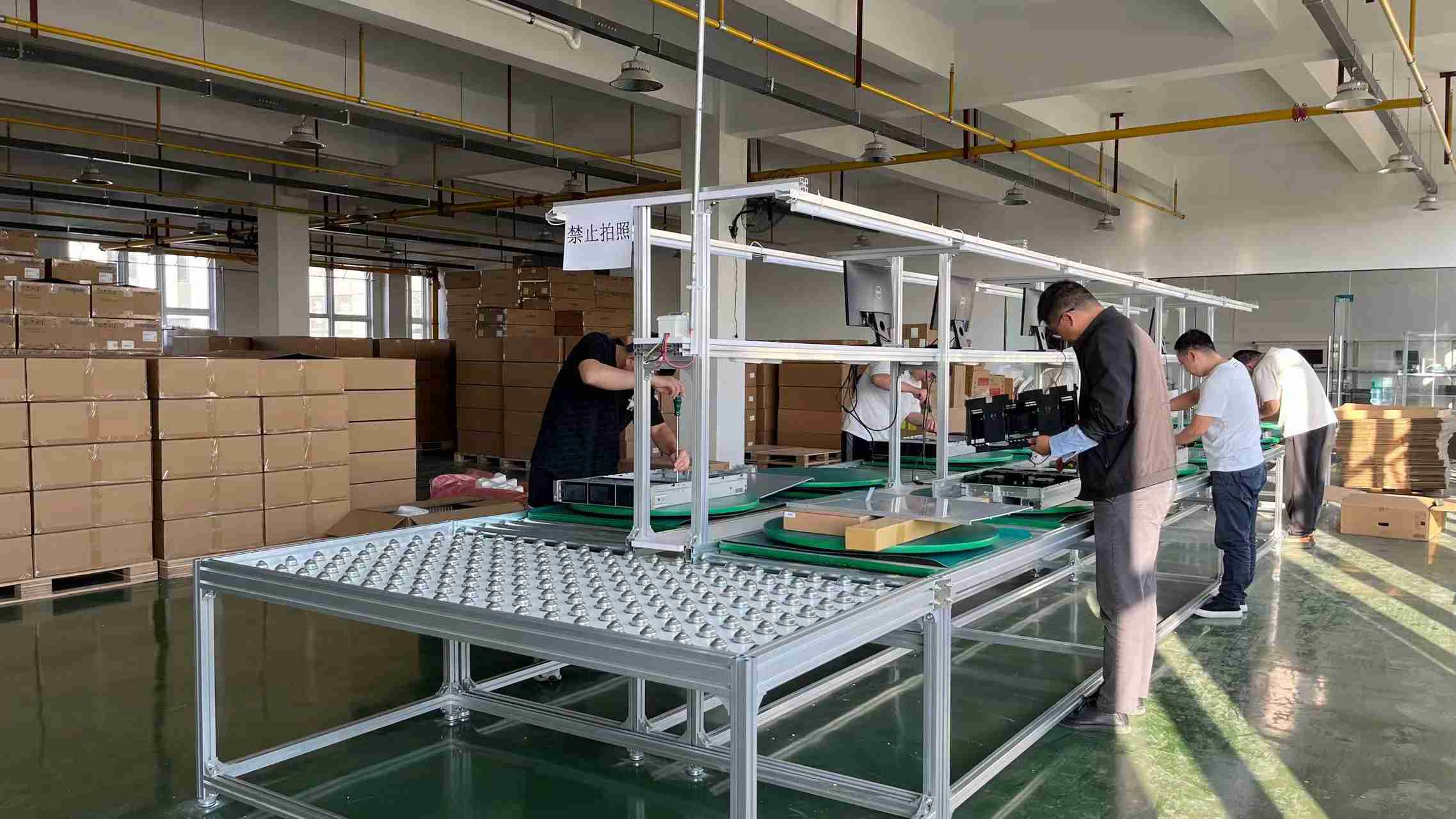
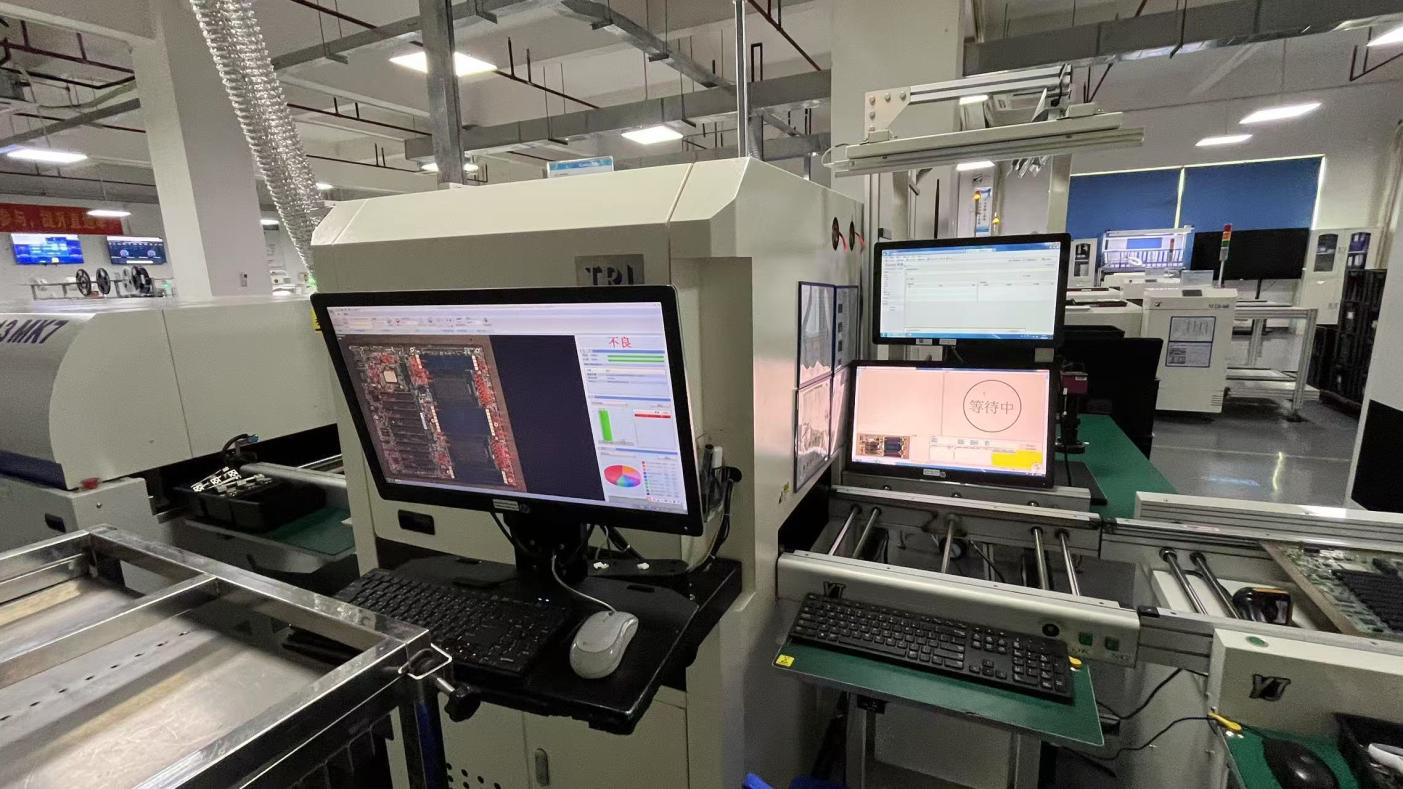
Our facility spans over 18,500㎡, fully equipped with clean-room SMT lines, server structural assembly bays, and temperature-controlled burn-in test chambers. BoltGrid's engineering capabilities are supported by 120 professional engineers specialized in GPU architecture optimization, low-latency storage backplanes, and high-density thermal modeling. This technical depth allows us to launch approximately 85 new customized products annually, servicing cloud developers, research hubs, and enterprise integrators worldwide.
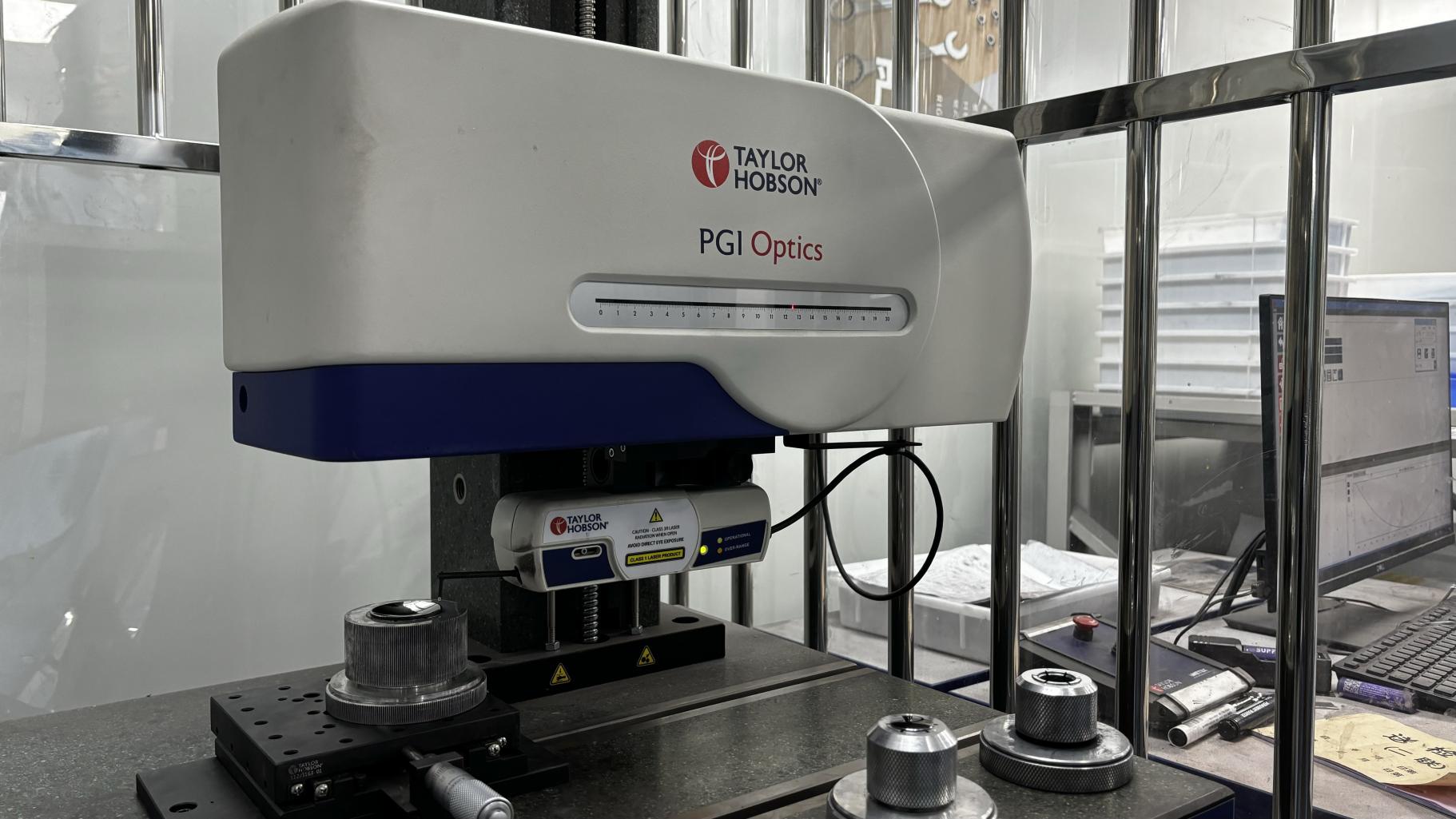
To secure complete hardware compliance and durability under prolonged high-intensity computing workloads, our professional QA department employs 45 specialized inspectors. Every system undergoes extensive validation procedures, including full thermal performance scanning, structural resonance modeling, and continuous stress load simulations before global dispatch.
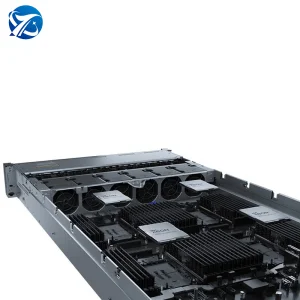
Generative AI platforms place massive requirements on read operations. Checkpoint saving processes demand quick write-burst capabilities. Multi-socket rack systems like the 2488H V7 leverage NVMe pools alongside high-density SATA SSDs (such as the PM893 series) to eliminate bottlenecks, allowing GPU accelerators to maintain high utilization.
Enterprise data centers achieve balance by pairing high-speed PCIe Gen5 flash drives for active databases with cost-effective SATA solid-state options for boot phases, logging processes, and warm data tiers. Combining SAS HDD pools with read-intensive SATA arrays delivers reliable performance metrics at reduced infrastructure price points.
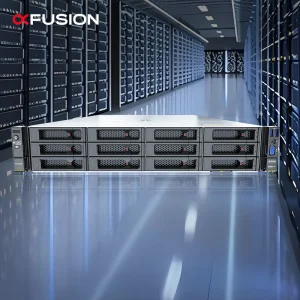
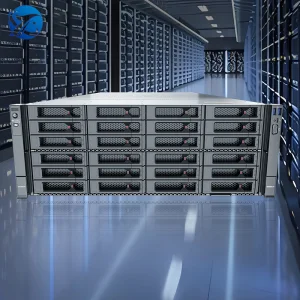
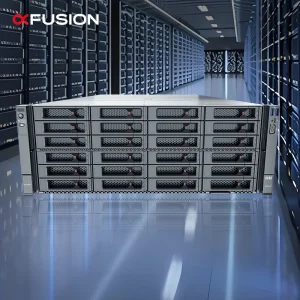
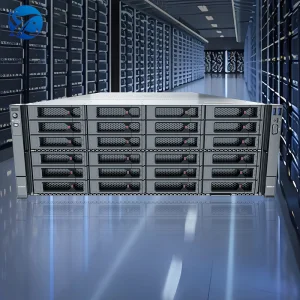
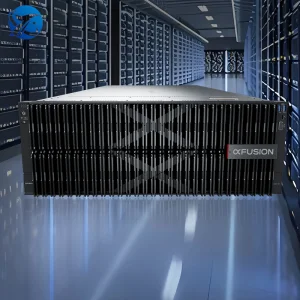
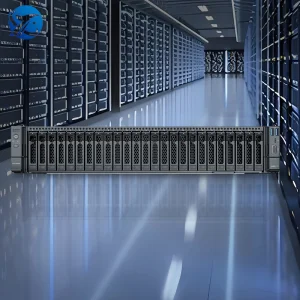
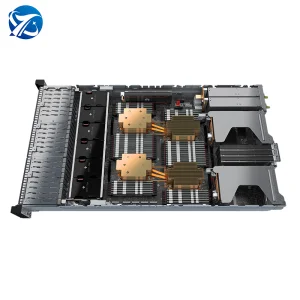
Deploying 4U solutions like the FusionServer 5288 V7 requires specialized backplane configurations and optimized ventilation channels. Enterprise server architectures rely on dual 2000W redundant power options combined with active cooling systems to maintain operating temperatures during continuous computing operations.
Deploying model systems like DeepSeek-R1 requires continuous save cycles for training checkpoints. Using multi-GPU rack options, like the xFusion G5500 V7 with DDR5 RAM and NVMe storage drives, secures steady write capabilities. This structural setup keeps GPU clusters running efficiently without data transfer holdups.
Telecommunications providers and web platforms require robust, high-volume server platforms. A 4U server like the FusionServer 5288 V7 offers substantial drive bay density, accommodating multiple enterprise SAS/SATA drives to handle extensive customer data archives and backup targets.
Transaction processing centers rely on continuous computing reliability. Multi-socket rack designs (such as the 4-socket 2488H V6) run virtual machines and core database processes. Redundant drive layouts alongside ECC DDR5 RAM protect active transactions against system-level service disruptions.
Procuring hardware configurations at scale requires clear engineering criteria to ensure long-term hardware compatibility. System architects should evaluate the following hardware details when selecting factory configurations:
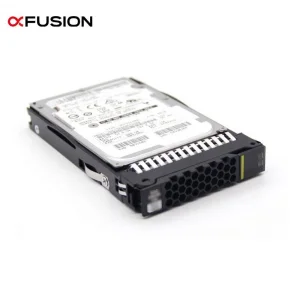
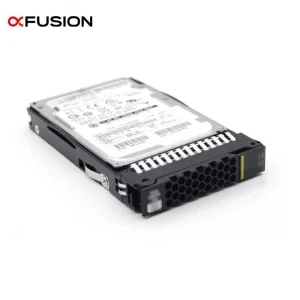
Solid-state devices like the PM893 series rely on advanced NAND controllers and optimized firmware. Procuring organizations should request verification details for power loss protection (PLP) capacitors, which safeguard unwritten data during sudden electrical outages. For magnetic disk drives, confirm that rotation speeds (like 10K RPM) and interface pathways (such as SAS 12Gb/s) match backplane controller specifications to prevent bus degradation.
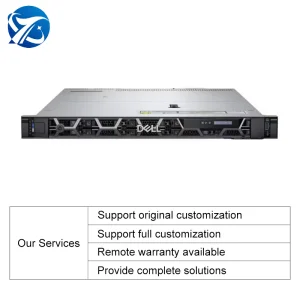
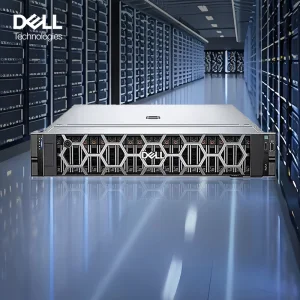
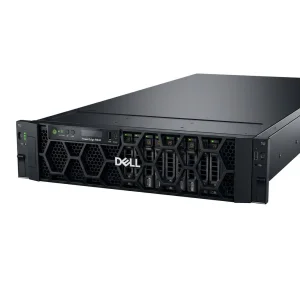
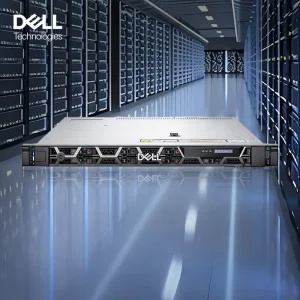
Experienced factories provide comprehensive system personalization. Clients can specify hardware configurations, select dedicated GPU structures, expand RAM modules, and configure custom cooling layouts to meet specific operating parameters. Ensuring that custom firmware variations align with network systems (such as Dell PowerEdge R760XD2 or R660 series) avoids hardware conflicts post-deployment.
Production plants must implement clear testing protocols. BoltGrid's system validation processes utilize high-temperature testing rooms, hardware vibration simulations, and continuous burn-in verification under heavy compute loads. These procedures identify weak components early, ensuring reliable operation upon client installation.