BoltGrid
BoltGrid
BoltGrid
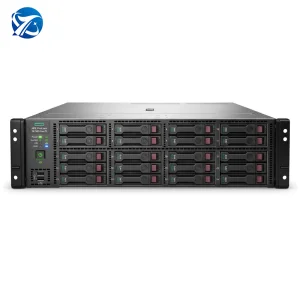
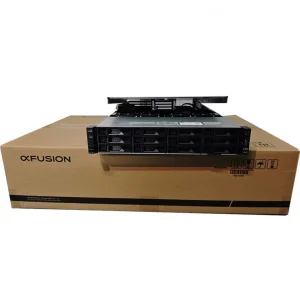
Explore our primary inventory of advanced servers and infrastructure components. Optimized for low-latency virtualization, edge computing, and hybrid lab clusters.



BoltGrid partners with global businesses to deliver tailored architectural foundations for high-scale computing workloads.
The boundary separating hobbyist "home labs" and commercial enterprise infrastructure has completely dissolved. Today, developers, security researchers, and enterprise DevOps teams deploy homelab environments as localized, air-gapped staging grounds for hyper-scale cloud applications. Sourcing raw compute capacity directly from dedicated exporters has emerged as the definitive path to achieving optimal cost-per-core efficiency.
Corporate technology centers and engineering units are shifting away from pure public cloud environments, driven by escalating data egress fees, privacy regulations, and latency demands. A new model has emerged: Local Cloud Repatriation. By establishing high-density local labs, organizations can run model training, continuous integration pipelines, and experimental virtualization clusters at a fraction of hyperscaler subscription fees. Sourcing high-performance compute hardware from professional Chinese suppliers provides developers with low-level kernel testing access, high-bandwidth storage pools, and raw CPU/GPU densities that are cost-prohibitive in standard public clouds.
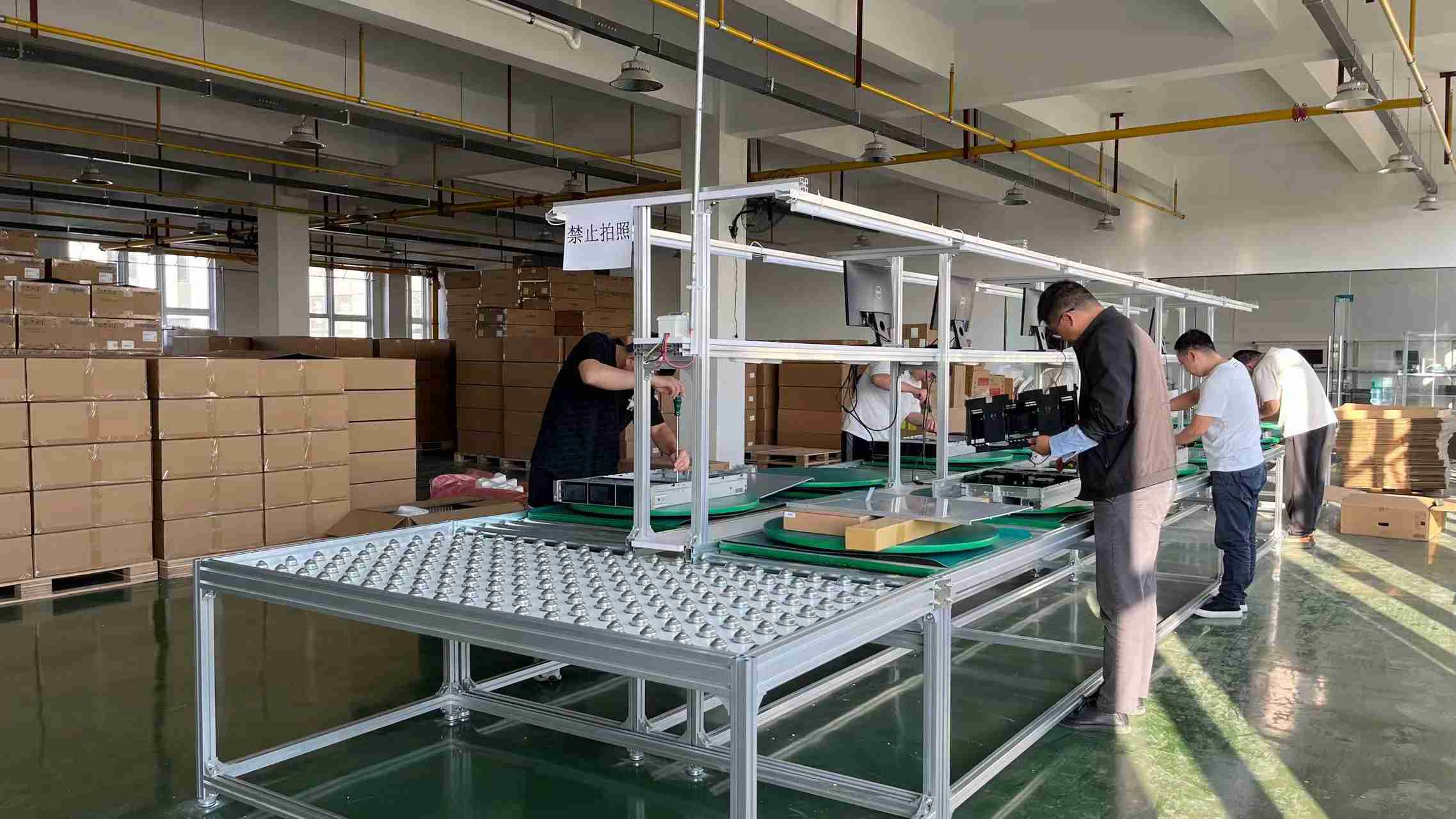
The industrial clusters of Shenzhen and Dongguan form the backbone of global server supply chains. BoltGrid Computing Systems Co., Ltd. channels this manufacturing ecosystem, operating a state-of-the-art 18,500 square meter assembly and system integration center.
Our network of over 850 strategic hardware partners guarantees stable sourcing of high-frequency CPU sockets, high-speed RAM ICs, performance-optimized SAS/SATA backplanes, and low-latency network cards. This vertical supply integration allows us to sidestep market bottlenecks, offering consistent wholesale pricing, steady component availability, and rapid custom chassis and system builds.
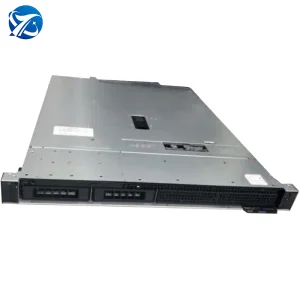
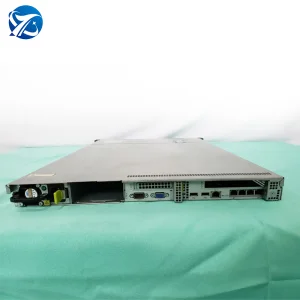
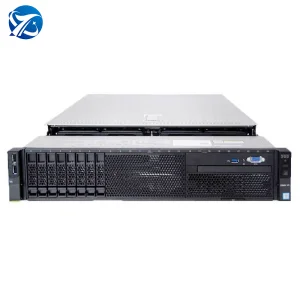
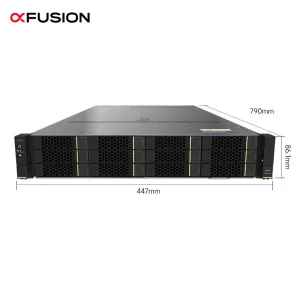
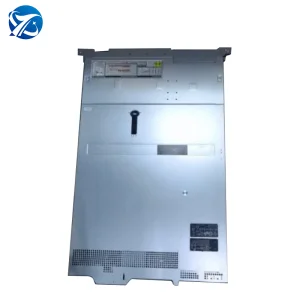
Enterprise and lab computing demand modular hardware that handles heavy multi-tenant workloads. The hardware portfolio we supply—ranging from single-socket 1U edge nodes (like the PowerEdge R260) to high-density 2U dual-processor platforms (such as the FusionServer 2288H V6 / V7)—is built specifically to support advanced hypervisors (Proxmox VE, VMware ESXi, TrueNAS Scale, and KVM clusters).
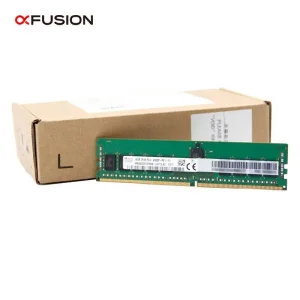
These systems leverage ECC registered memory (RDIMMs) to eliminate transient bit-flip errors, ensuring maximum uptime for database operations and long-running VM containers.
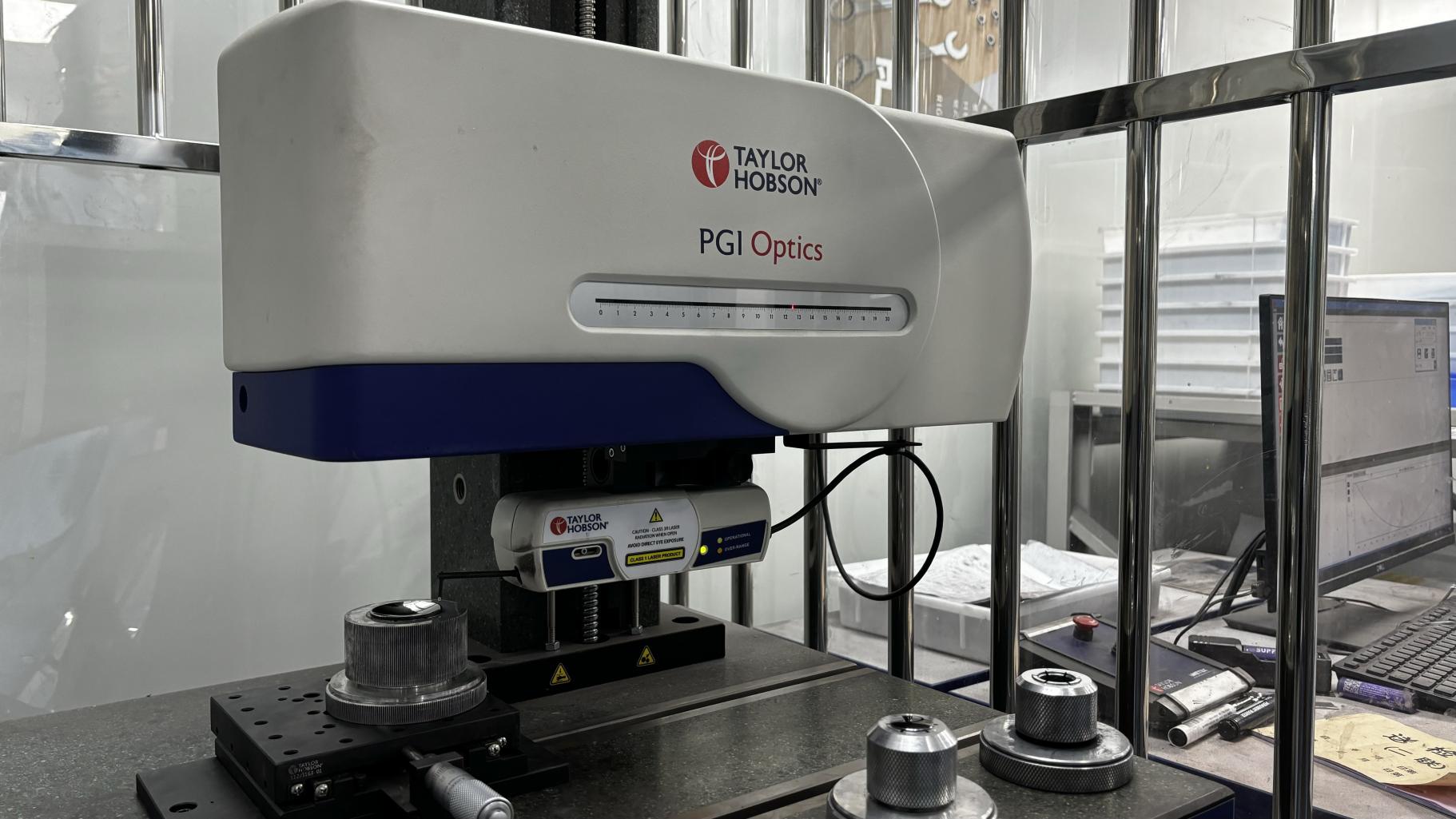
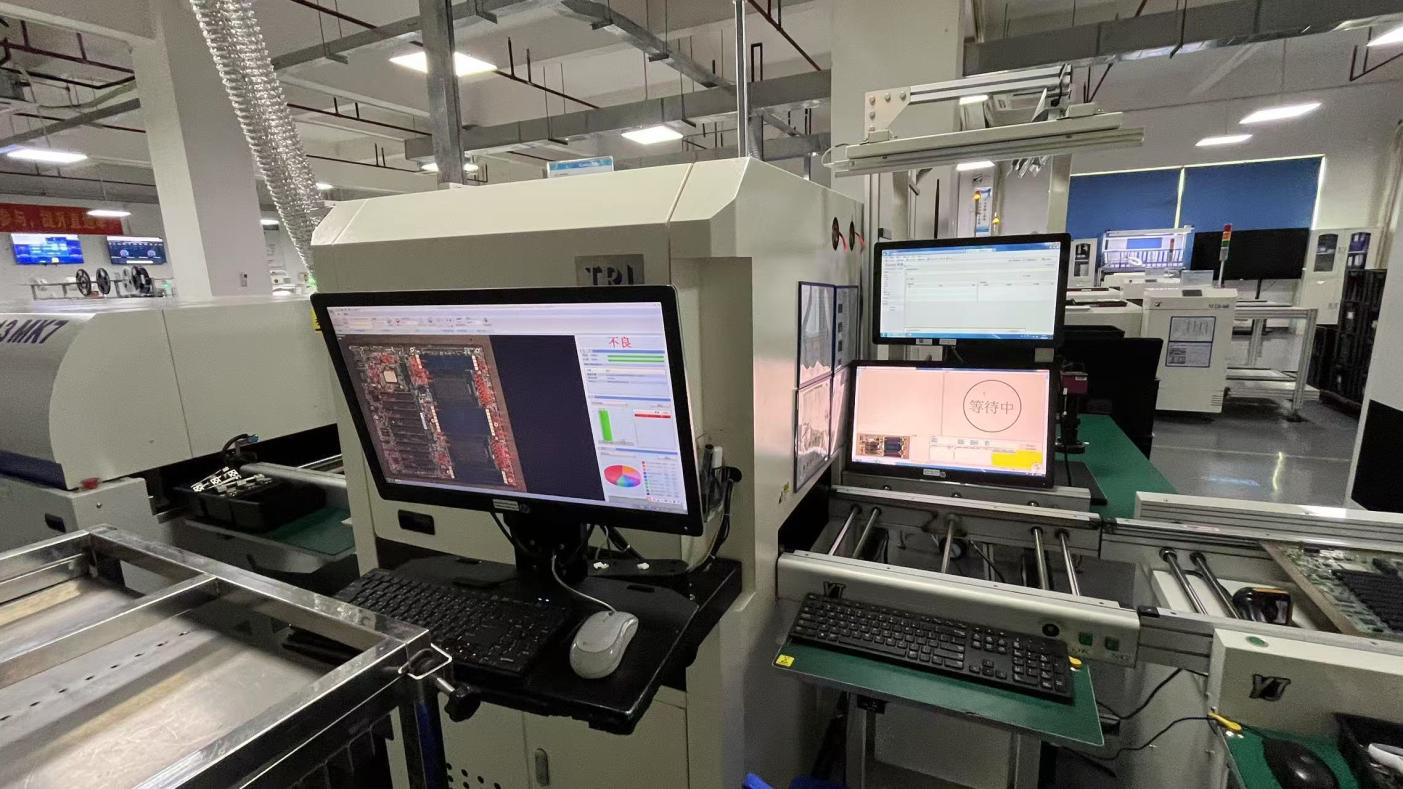
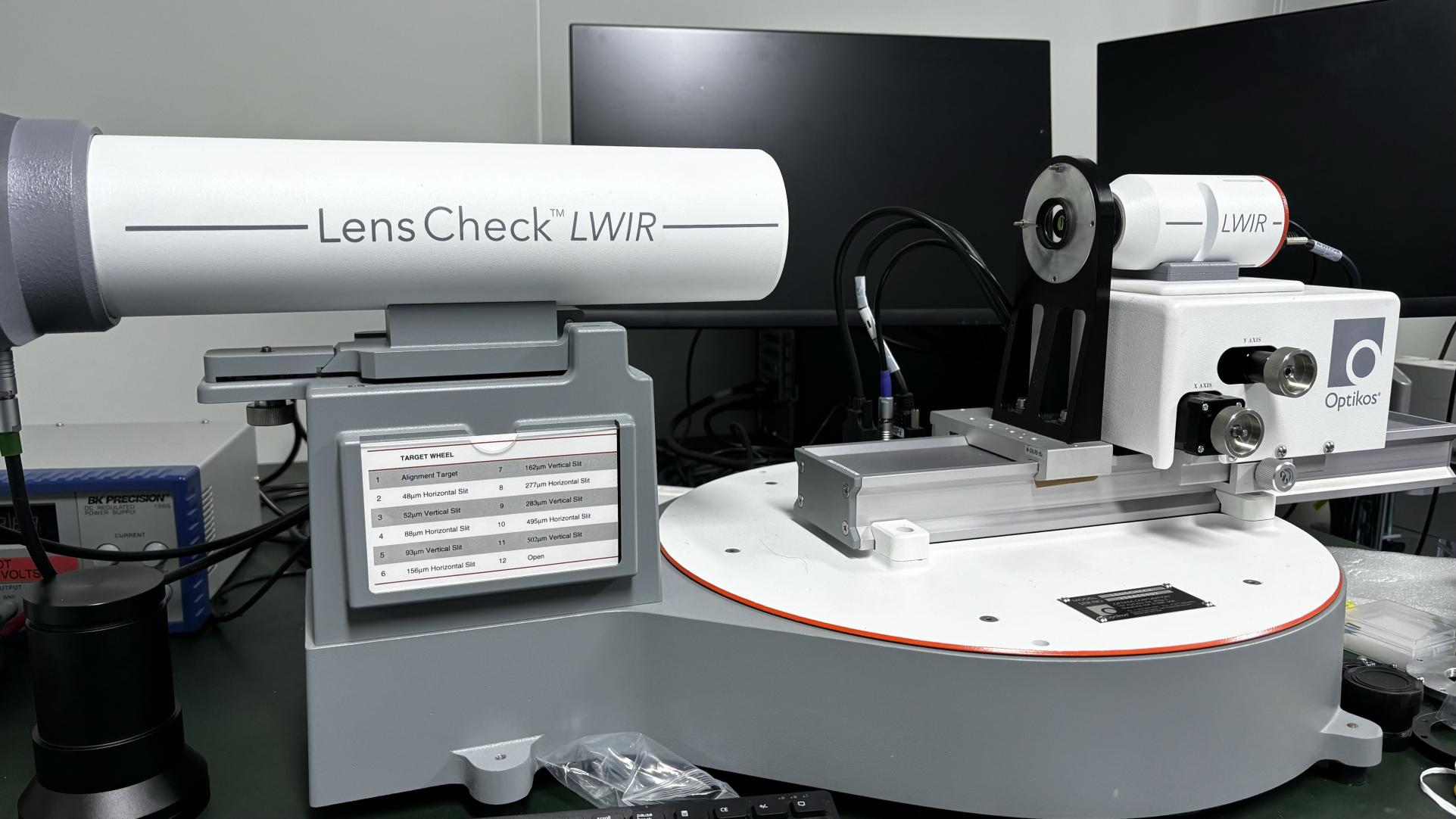
BoltGrid operates with a dedicated team of 45 specialized quality inspectors. Every bare-metal server chassis, network expansion card, and memory unit undergoes a multi-stage testing protocol before shipment:
Engineered for hardware builders, enterprise buyers, and high-performance laboratory environments.
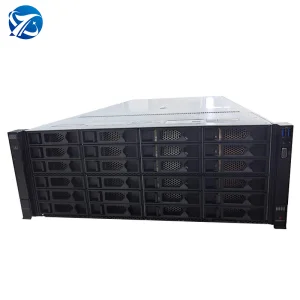
Support for 12x3.5" or 24x2.5" drive bays, enabling multi-terabyte arrays for local dataset warehousing, data lakes, and backup repositories.
Equipped with PCIe Gen 4/Gen 5 expansion slots designed for deep learning models, local LLM runtimes, and complex graphics workloads.
Standardized form factors (1U, 2U, and 4U chassis formats) compatible with both enterprise server racks and compact home lab cabinets.
Explore our secondary catalog of computing infrastructure, specialized GPU nodes, and component accessories.

Essential hardware details, customization workflows, and global logistics information for enterprise buyers.
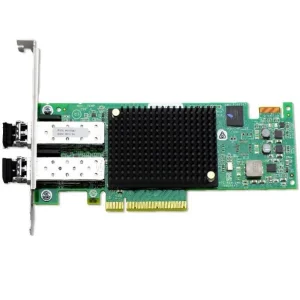
Every server built at BoltGrid undergoes compatibility validation with hypervisors such as Proxmox, ESXi, and Linux KVM. Our testing protocols verify clean peripheral integration (including HBA controllers like Emulex and network interface cards) and confirm error-free IPMI reporting under simulated system loads.
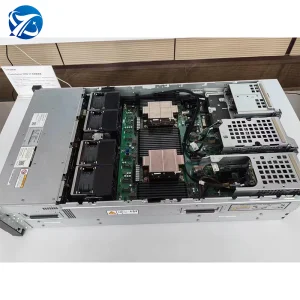
With 120 specialized R&D engineers on site, we can customize memory configurations (up to multi-terabyte ECC RDIMMs), modify storage backplanes (combining high-capacity SATA drives with low-latency NVMe bays), integrate specific PCIe network accelerators, and configure redundant power setups to match your target TDP profile.
Our quality program is managed by 45 inspectors who lead three main testing phases: full component checks upon arrival, thermal imaging under load to evaluate cooling performance, and a comprehensive 48-hour burn-in phase to verify system stability before shipment.
Our direct ties to localized hardware clusters and partnership with over 850 suppliers keep component pipelines open and predictable. By avoiding third-party markup, we pass manufacturing savings along to buyers while maintaining fast turnaround times on bulk configurations and custom chassis.
We handle exports across North America, Europe, Southeast Asia, and the Middle East, with annual export sales reaching USD 18 million. Our logistics team provides export compliance documentation, custom crating to prevent shipping damage, and end-to-end tracking to help streamline import procedures.
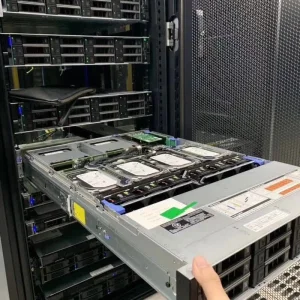
A look inside our facility showing our assembly floors, testing stations, and integration centers.