BoltGrid
BoltGrid
BoltGrid
Engineered for high density, multi-redundant power matrices, and continuous compute availability.
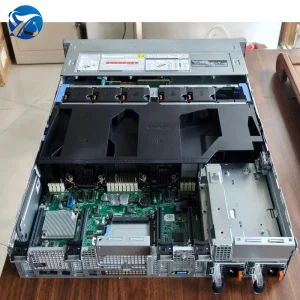

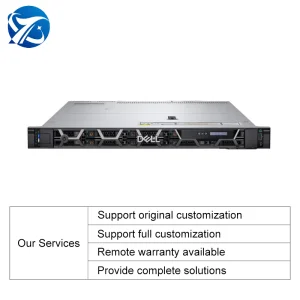
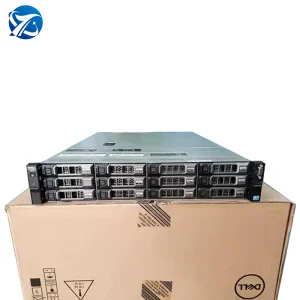
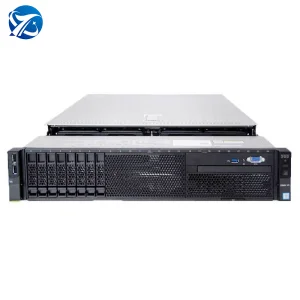
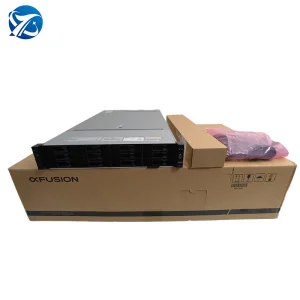
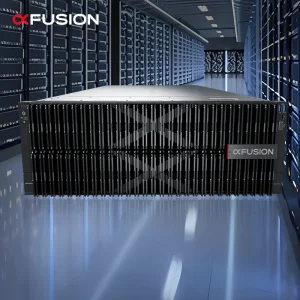
High Availability (HA) solutions have transitioned from luxury configuration setups to foundational necessities. Historically, achieving "five-nines" (99.999%) uptime focused primarily on localized hardware failovers, standard RAID levels, and secondary power supply switches. In the modern landscape—dominated by containerized microservices, distributed database topologies, and resource-intensive AI workloads like DeepSeek large language models—fault tolerance is analyzed at both the hardware node and clusters orchestration layer.
BoltGrid Computing Systems Co., Ltd. addresses this paradigm by manufacturing custom hardware built specifically for high density computing environments. High Availability is no longer just about preventing a system crash; it is about maintaining uninterrupted operations across multi-GPU setups, ensuring that computational state transitions do not experience packet loss, compute drops, or cache degradation during massive parallel model training processes.
Operational metrics validating BoltGrid's status as a leading OEM/ODM manufacturer of high-performance computing hardware.
Production Facility Size
R&D Engineers
Strategic Supply Partners
Annual Export Volume
Established in 2016, BoltGrid Computing Systems Co., Ltd. has established deep specialization in custom AI GPU server manufacturing, high-density cluster construction, and enterprise data center system design. By maintaining a structured ecosystem of more than 850 strategic partners, we guarantee consistent access to key tier-one processing components, high-speed networking adapters, and custom chassis assemblies. This robust network ensures that even during global component volatility, our wholesale delivery pipelines remain uninterrupted.
The transition to Factory 4.0 standards within BoltGrid's manufacturing lines translates to high precision throughout every stage of assembly. Automation in high-density components mounting, automated optical inspection (AOI) systems, and real-time stress monitoring algorithms ensure that each rackmount unit meets exact industrial specifications before export dispatch.
Our facility's location in Shenzhen, China's hardware capital, grants us access to a highly specialized logistics hub. We optimize lead times down to a fraction of traditional western supply schedules. This localization advantage allows BoltGrid to customize chassis layouts, implement alternative thermal pipelines, and test liquid-cooling designs rapidly based on direct client design files.
With an independent QA division consisting of 45 specialized inspectors, BoltGrid maintains a multi-phase testing matrix designed to replicate enterprise workload stress:
A closer look at how BoltGrid embeds hardware resilience at the system-board level to eliminate single points of failure (SPOFs).
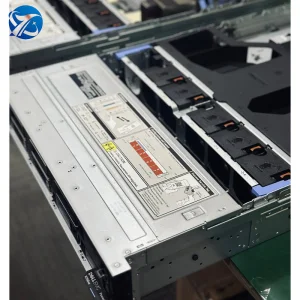
Designed with segregated internal partitions, separating high TDP GPUs from CPU and memory sockets. High-RPM counter-rotating PWM cooling fans operate in N+1 configuration, generating laminar airflow to prevent micro-hotspots.
Support for Common Redundant Power Supply (CRPS) configurations with high efficiency ratings (80 Plus Titanium). Active-Standby and Active-Active power modes are micro-managed at the firmware level to maximize power density while protecting against voltage surges.
Extensive simulation and physical testing of high-speed PCIe Gen 5 buses and DDR5 memory pathways. This prevents data packet corruption, ensures optimal latency figures, and keeps massive AI databases continuously reachable.
BoltGrid platforms are engineered to perform across diverse enterprise landscapes, operating as the structural spine for crucial sectors:
Sustained deep learning pipelines require thousands of compute hours without interruption. BoltGrid's multi-GPU rackmount systems provide high-density computing capabilities backed by localized failover fail-safes.
Eliminating latency anomalies and processing dropouts through redundant memory structures and real-time out-of-band management protocols.
Complex numerical model processing benefits from custom memory arrays and robust system cooling solutions built to run continuously for months.
Take a visual tour inside our production workflow, illustrating assembly areas, quality inspection cleanrooms, and high-capacity validation labs.
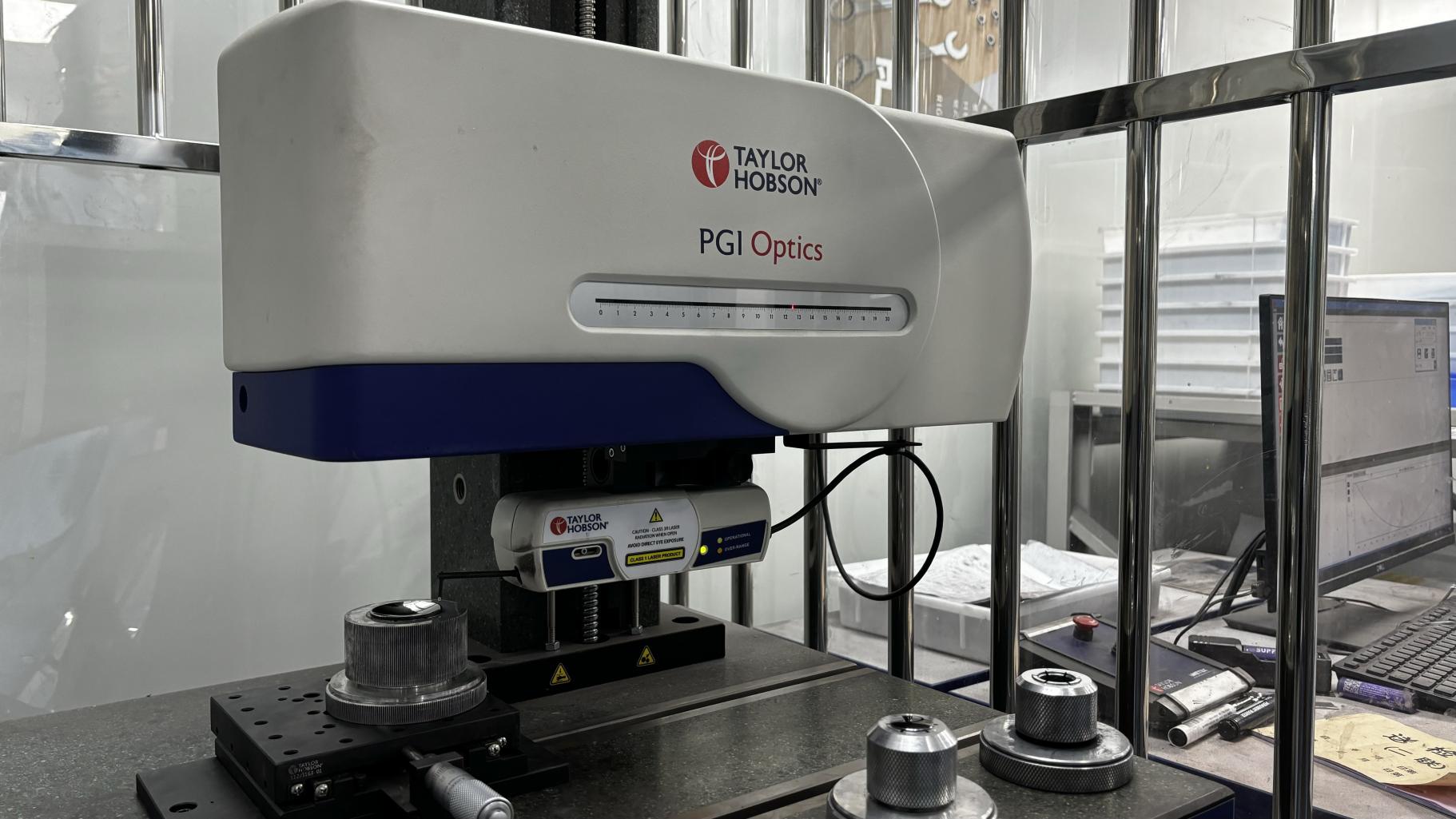
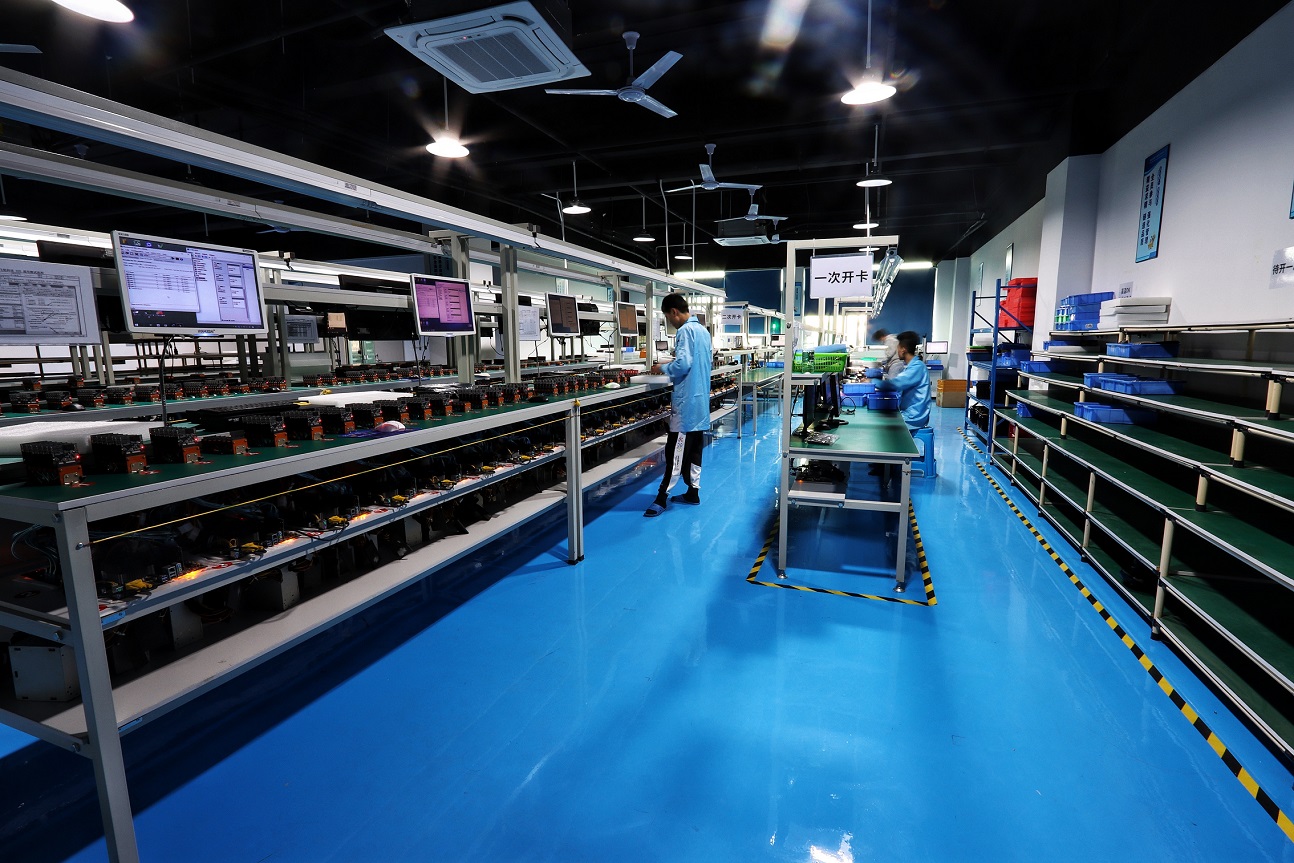
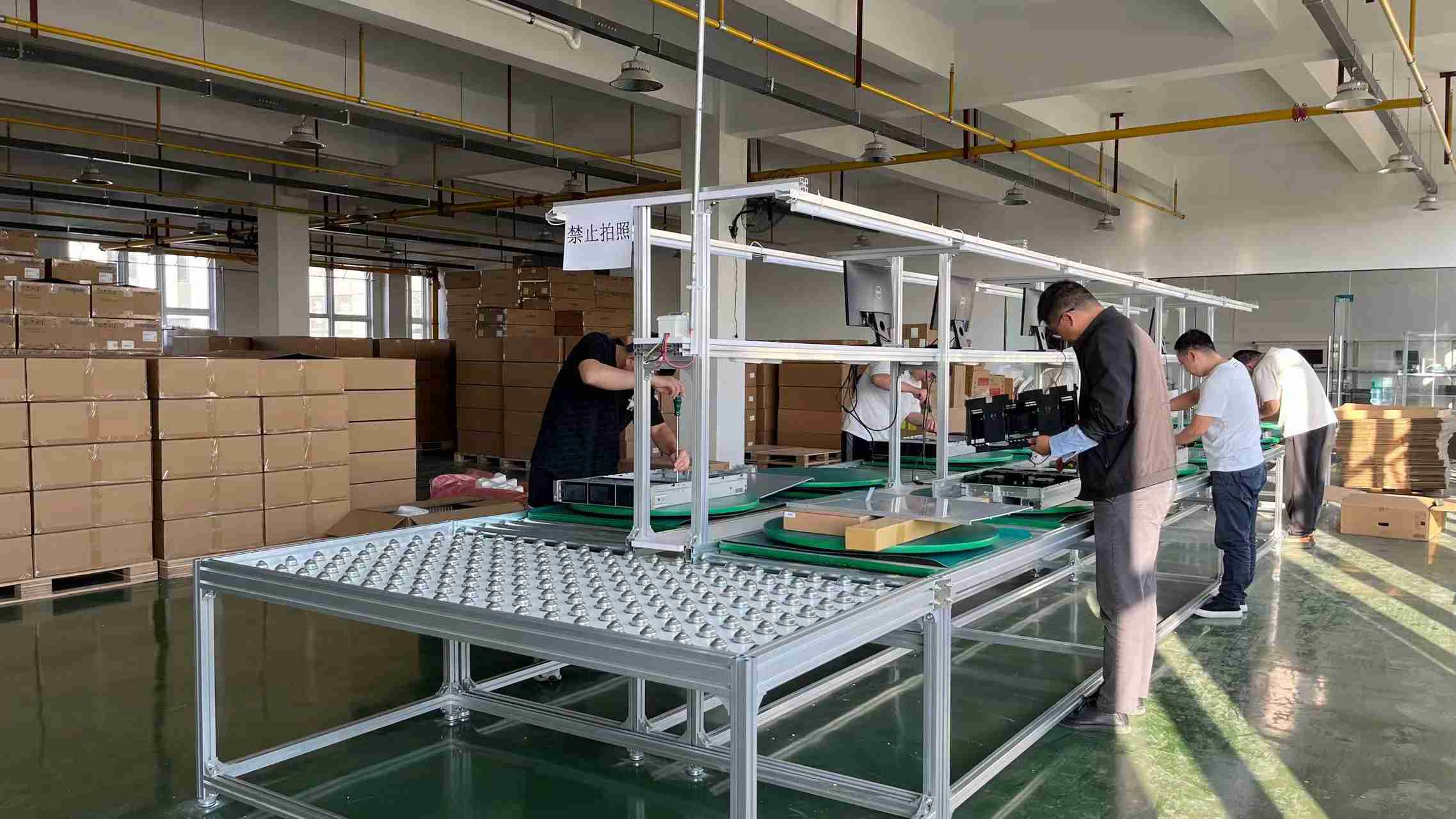
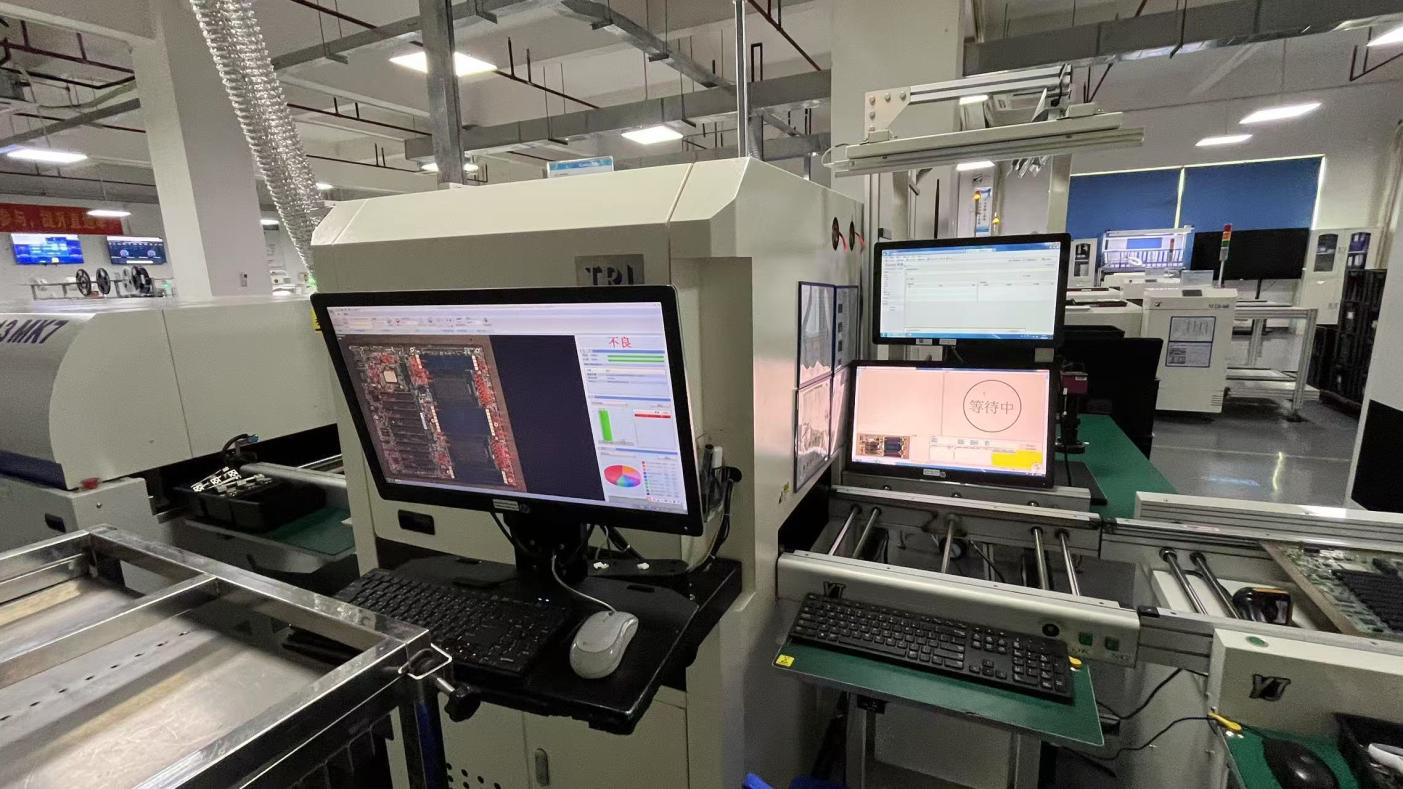
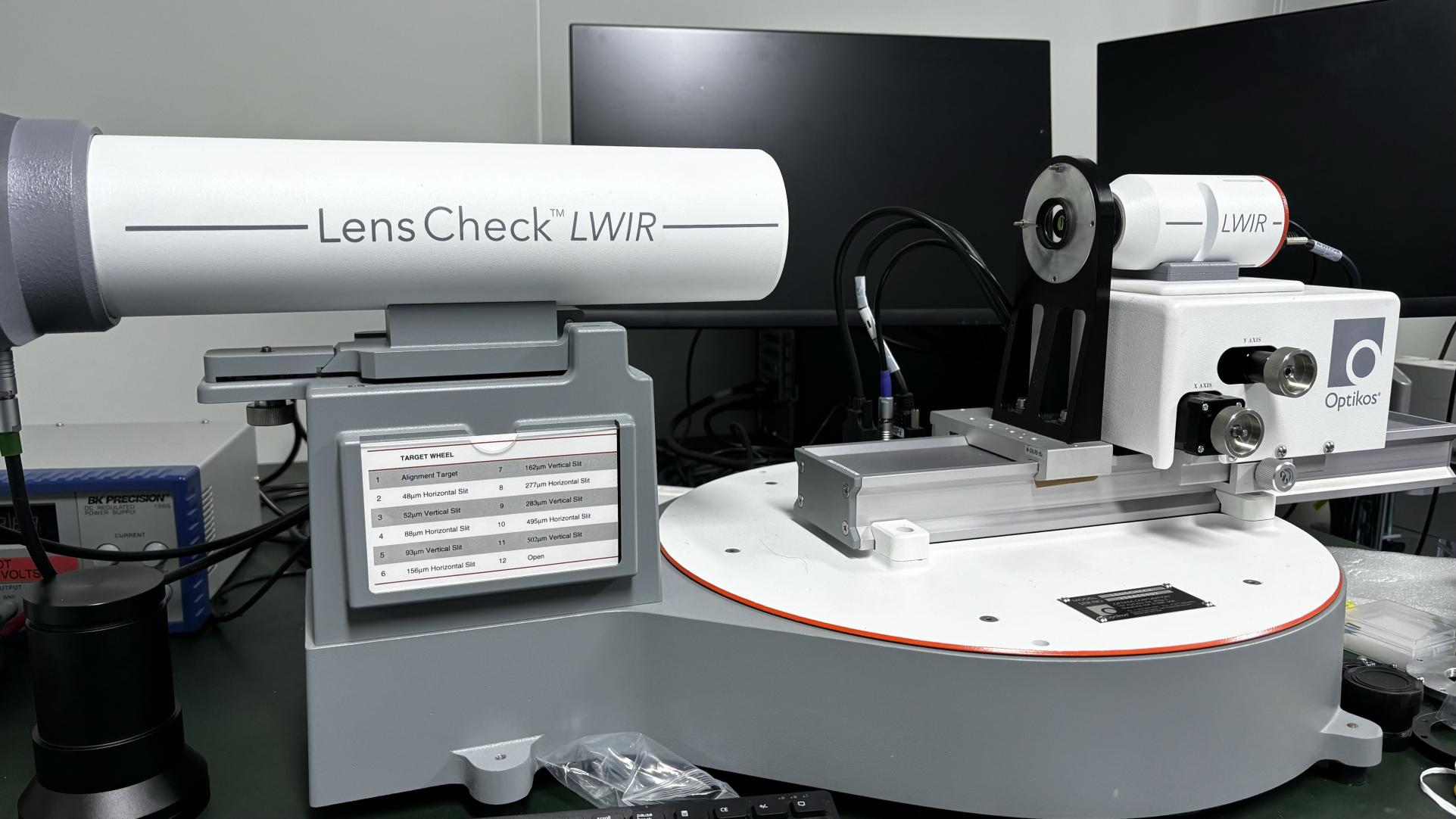
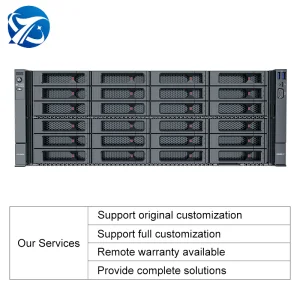
Our facility utilizes modern assembly tracks that permit rapid conversion between 1U/2U multi-node configurations, storage-heavy architectures, and custom GPU accelerator form-factors. Each batch runs through the identical QA pipelines monitored by our certified inspection team.
Addressing core technical questions from global procurement officers and system integration engineers.
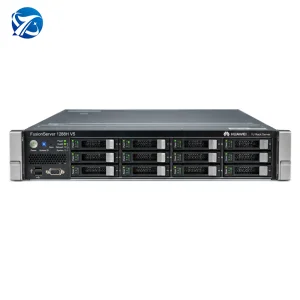
Reliable components and specialized node systems built to support and expand modern HA infrastructures.