 BoltGrid
BoltGrid
BoltGrid
Premium server components and computing nodes requiring optimized power distribution units to operate at maximum efficiency.
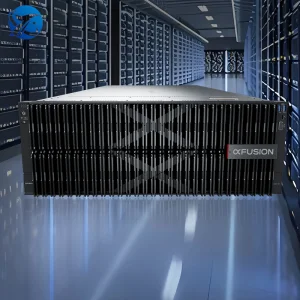
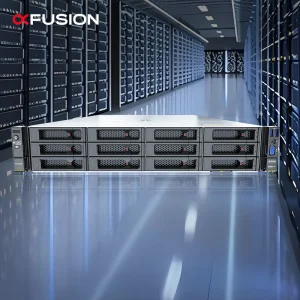
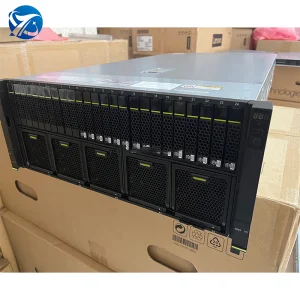
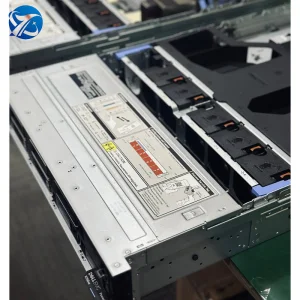
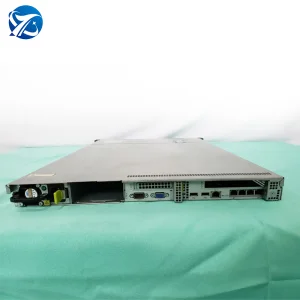
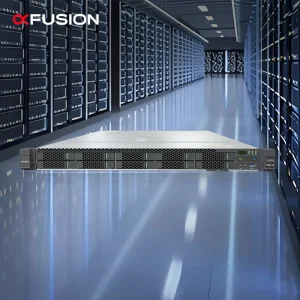
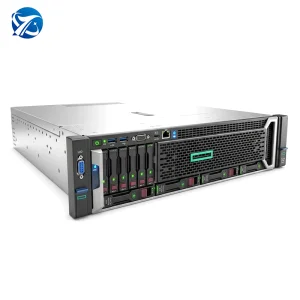
The paradigm shift in computing—driven by LLMs (Large Language Models), deep learning architectures, and high-frequency cloud workloads—has pushed standard rack power densities from a traditional 5kW–10kW to upwards of 30kW to 100kW per cabinet. Standard infrastructure can no longer sustain these loads without massive efficiency drops or severe risk of thermal runaways.
For global enterprise buyers, sourcing Power Distribution Units (PDUs) from leading Chinese factories isn't just about reducing procurement costs. It is an engineering exercise in choosing configurations that optimize Power Usage Effectiveness (PUE) at the rack level. Intelligent, metered, and switched PDUs allow administrators to isolate phases, prevent harmonic distortion, and remotely manage power cycles.
As a global computing infrastructure pioneer, BoltGrid Computing Systems Co., Ltd. leverages a deep understanding of hardware-level power tolerances to manufacture integrated server and rack power solutions that fit the exact operational profiles of contemporary hyperscalers and private enterprise clouds.
The evolution of Power Distribution Units from basic power strips to highly intelligent cloud-connected IoT nodes in modern smart architectures.
Modern high-density data centers require granular measurement data. Smart PDUs provide real-time monitoring of current (A), voltage (V), power (kW), and energy consumption (kWh) at the individual outlet level with billing-grade accuracy (+/- 1%). This ensures accurate billing for co-location tenants and precise capacity planning.
Automatic Transfer Switches (ATS) integrated into rack-level distributions ensure power redundancy for single-corded network devices. Sourcing trends highlight a demand for dual-input systems that automatically shift to backup sources within 8 to 15 milliseconds upon primary source failure.
With rack layouts moving toward containment aisles (Hot Aisle Containment Systems), PDUs are forced to operate in ambient temperatures up to 60°C (140°F). Leading Chinese suppliers optimize structural thermal dissipation by using high-grade aluminum casings and specialized internal busbar architectures.
Each unit engineered by BoltGrid undergoes meticulous validation to meet global compliance and reliability standards:
Our dedicated QA team of 45 inspectors ensures every system undergoes full-load thermal burn-in simulations and electrical isolation testing prior to shipping.
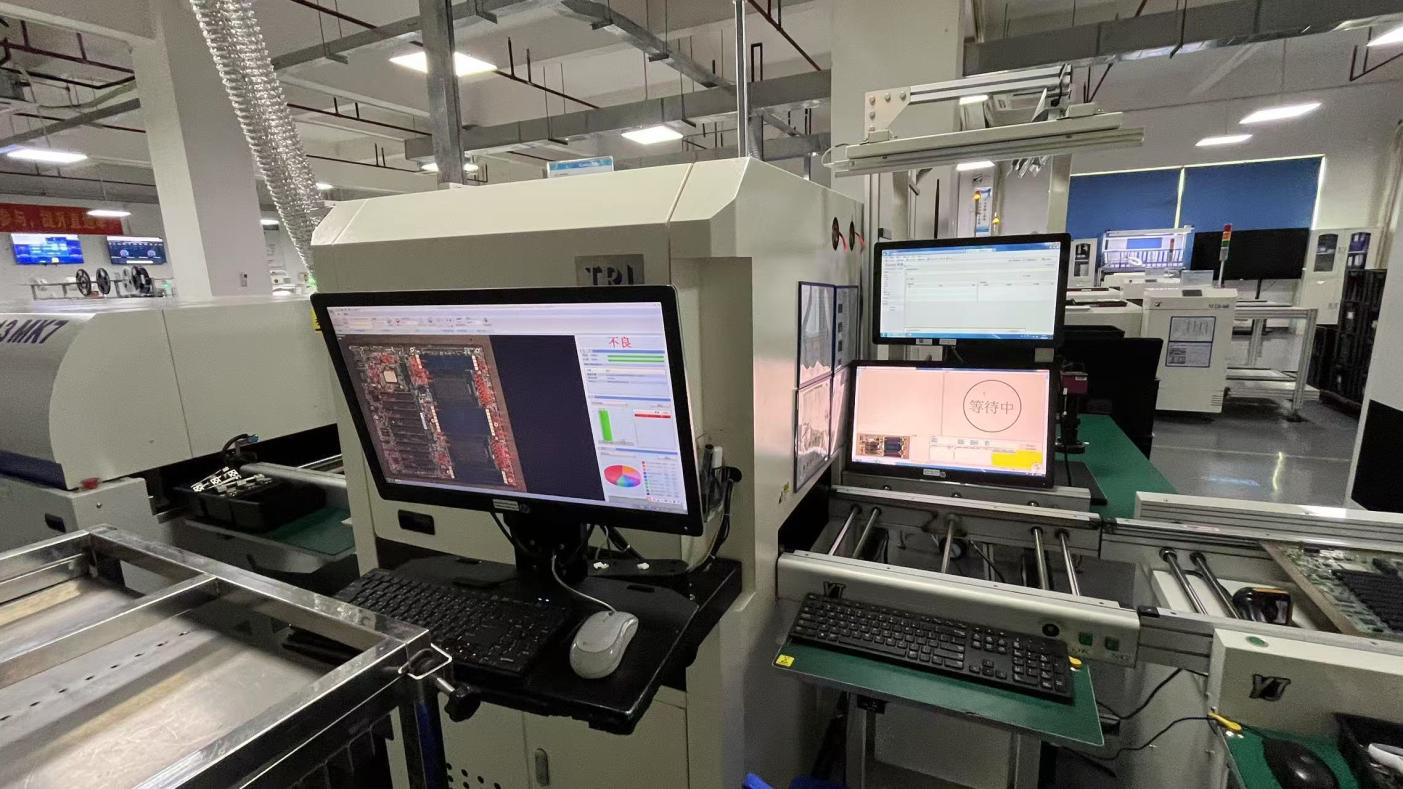
China’s hardware manufacturing clusters represent a mature ecosystem that integrates everything from raw copper busbar fabrication to high-precision circuit board assembly (SMT). This localization of raw materials and sub-components allows factories to rapidly prototype and configure bespoke rack systems faster than Western competitors.
For global hyperscalers and telecom providers, navigating international regulations can be complex. BoltGrid reduces these frictions through a structured logistics operation. Having generated over USD 18 million in annual export revenue, we understand international customs regulations, tax optimization, and packaging criteria designed to protect industrial electronics.
Our engineering team collaborates closely with procurement teams to map layout designs (0U vertical or 1U/2U horizontal), ensuring that socket allocations (C13, C19, NEMA, or UK standard) align perfectly with server configurations, minimizing structural layout modifications on-site.
From remote Edge deployments to multi-megawatt AI clusters, how power topologies are constructed to prevent downtime.
For clusters running intense models, thermal spikes and transient loads are constant challenges. We configure intelligent PDUs with three-phase delta/wye setups, giving operators real-time feedback on wave distortions. This lets them balance loads across three phases and prevents transformer overheating.
At remote telecom towers or distributed edge nodes, dispatching technicians is expensive. Switched PDUs with IP-based remote management let administrators power cycle stuck hardware, run diagnostic checks, and configure SNMP alerts for quick, off-site troubleshooting.
Combining legacy equipment with new servers requires flexible socket layouts (C13/C19 combos) and dynamic overload protection. Our designs integrate dual-stage hydraulic-magnetic breakers that react only to real electrical faults, preventing nuisance trips caused by temporary startup currents.
Robust enterprise hardware systems designed to integrate into modern racks alongside optimized power distribution units.
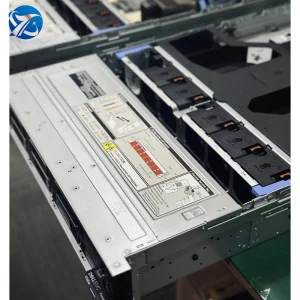
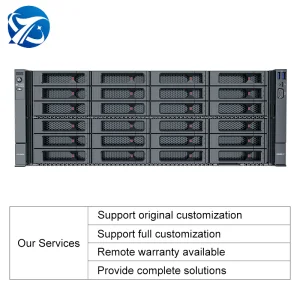
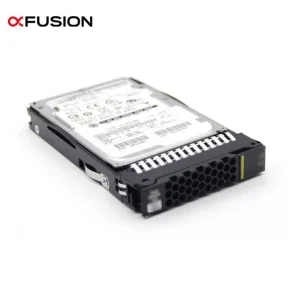
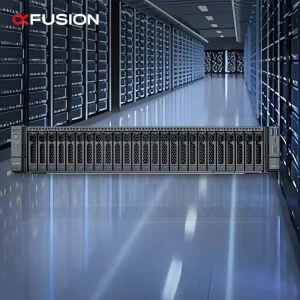
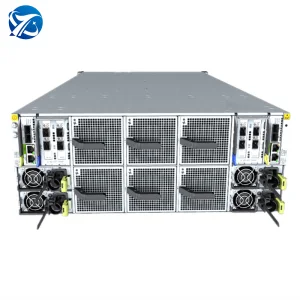
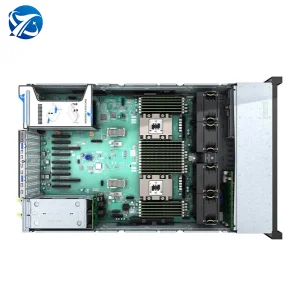
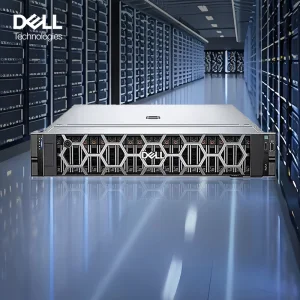
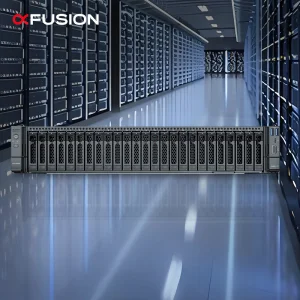
Established in 2016, BoltGrid Computing Systems Co., Ltd. has grown into a leading manufacturer of high-performance computing infrastructure, GPU cluster systems, and AI data center solutions. With over 12 years of industry experience, the company design and build advanced computing hardware for global markets.
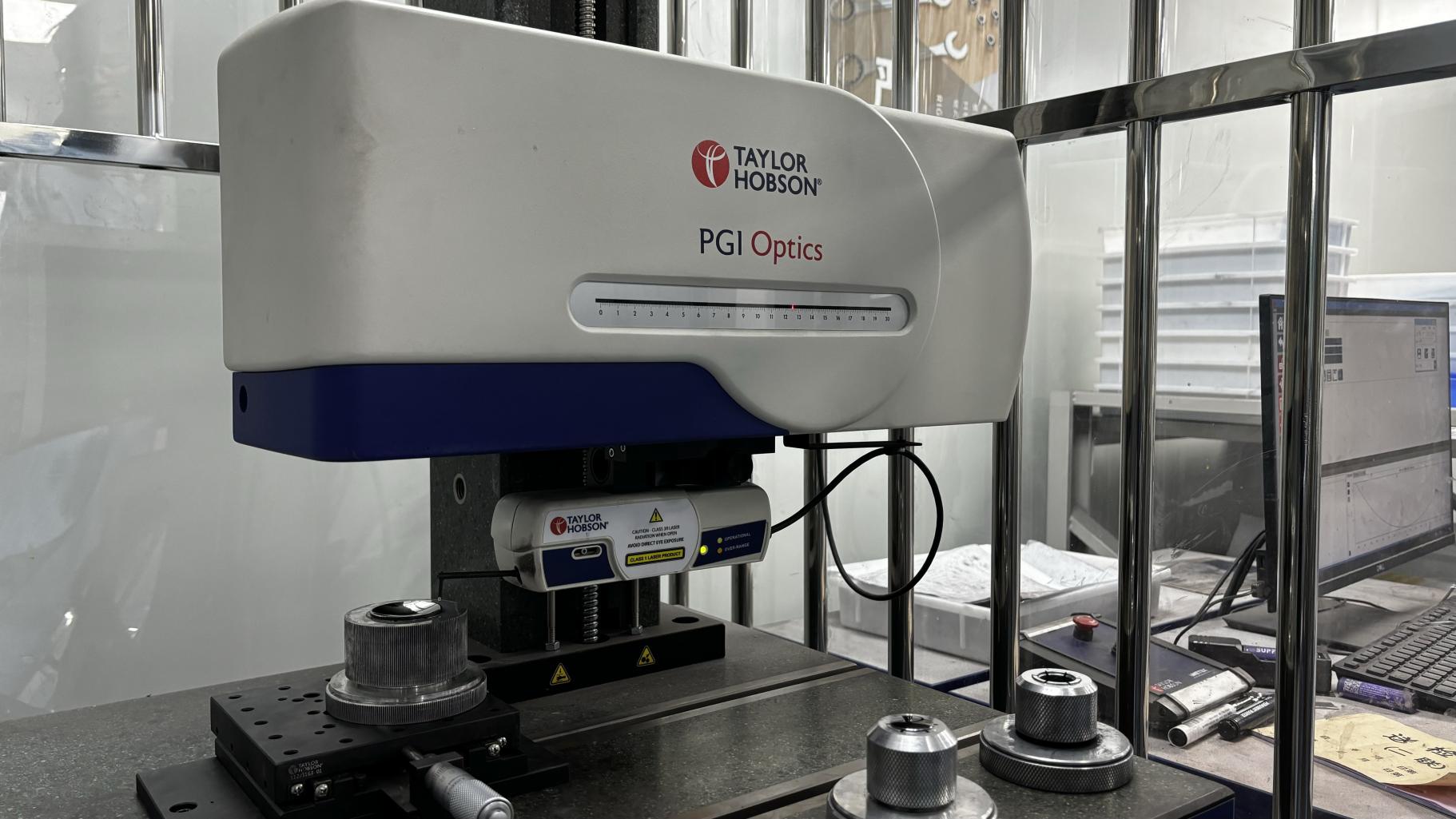
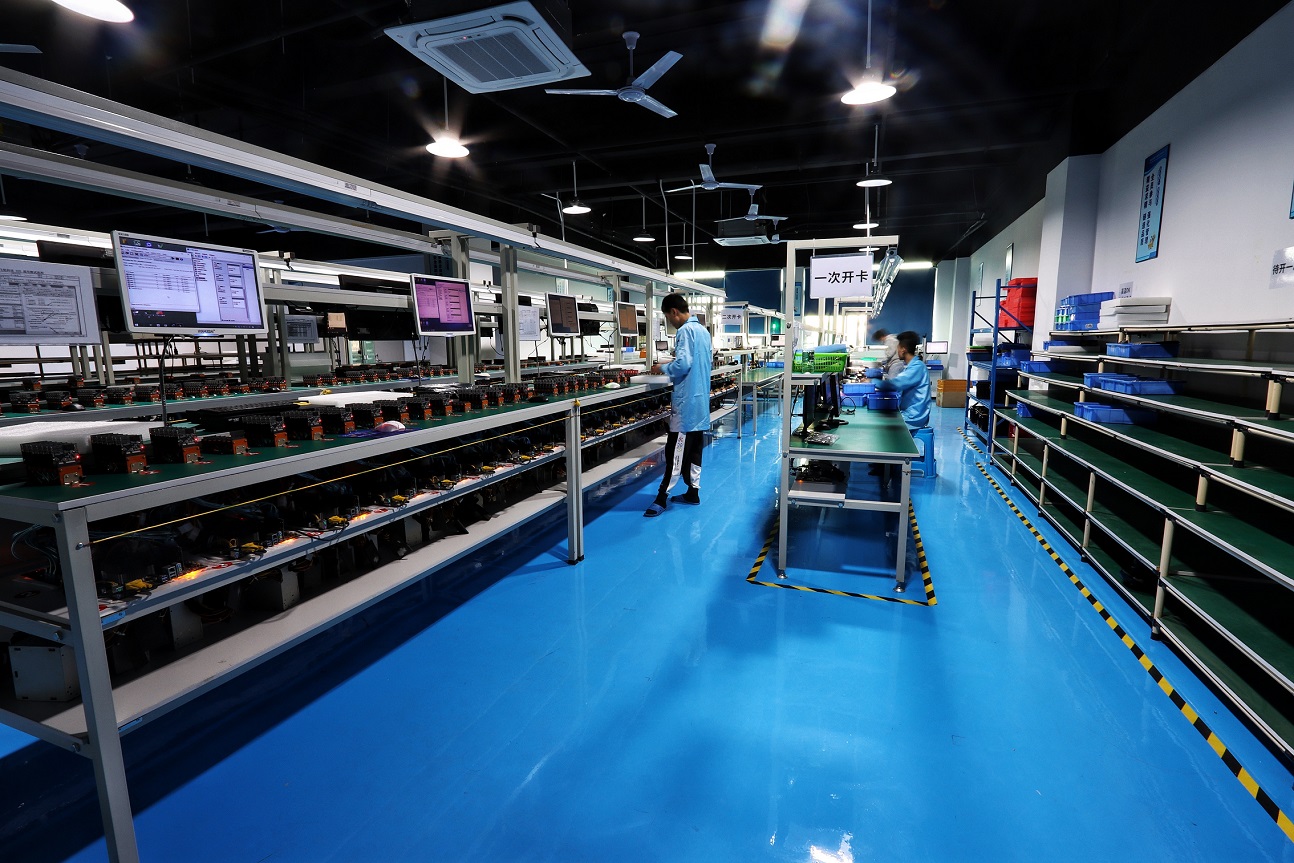
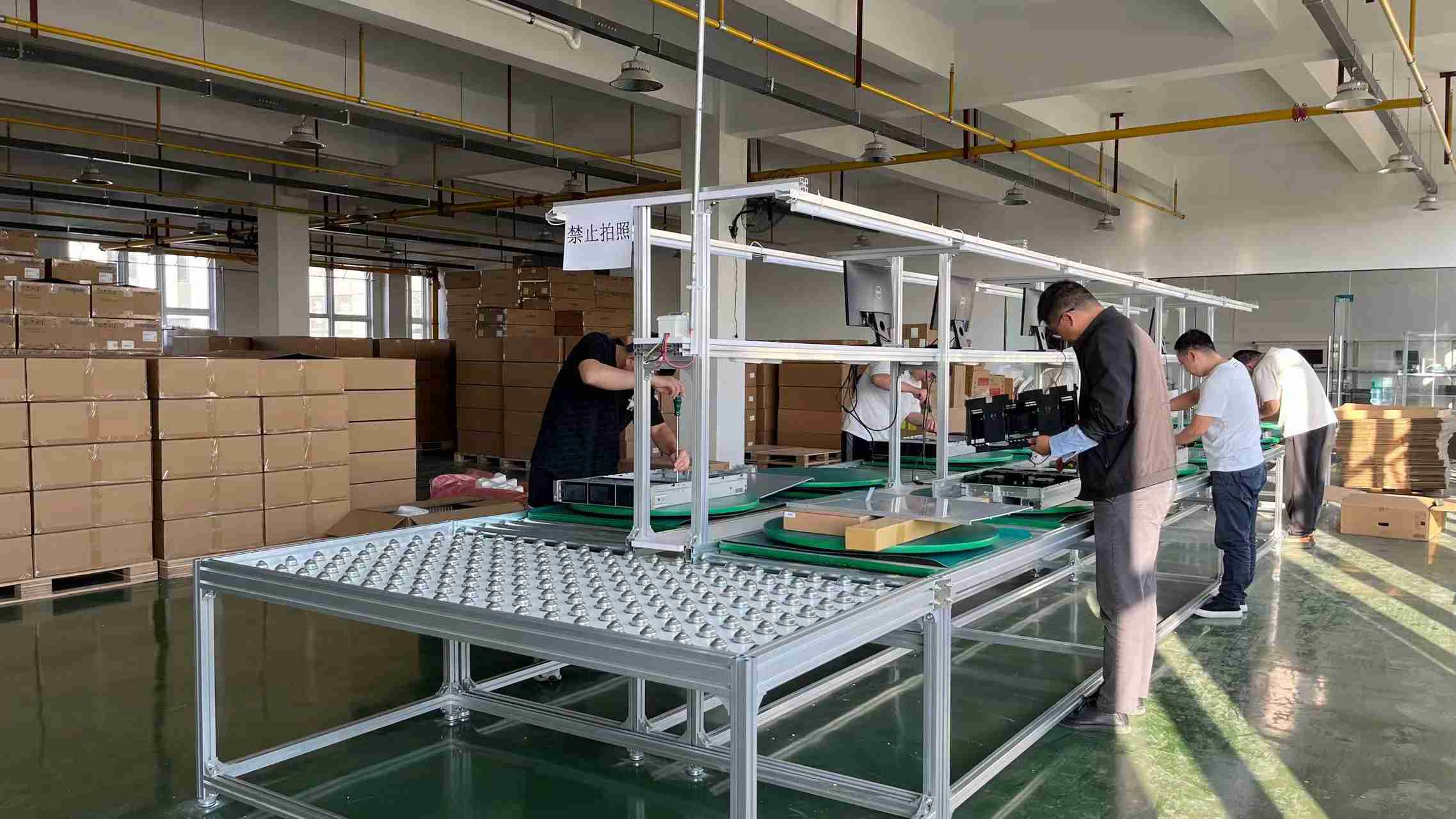
Our state-of-the-art 18,500㎡ facility houses advanced assembly, system testing, and integration lines. We support customized layouts for GPU configuration, memory scaling, cooling options, and server form factors. To ensure high reliability, our team of 45 QA inspectors runs thermal testing, stress load simulations, and full burn-in procedures on all products.
Backed by 120+ engineers and 850+ supply partners, BoltGrid ships customizable and reliable high-density computing solutions to customers in North America, Europe, Southeast Asia, and the Middle East.
Answers to common technical questions about rack-level power distribution and system configuration.
Basic PDUs: Provide simple electrical distribution without smart tracking features.
Metered PDUs: Feature a local network display showing total current draw to help balance phases on-site.
Monitored PDUs: Add IP connectivity for remote tracking of voltage, current, and load metrics, helping prevent local overloads.
Switched PDUs: Combine monitoring with individual outlet-level switching. This allows administrators to power cycle devices and manage power states remotely.