BoltGrid BoltGrid

China Top Power Distribution Unit Suppliers & Exporters

Pioneering Next-Generation Rack Power Solutions & GPU Server Infrastructures for Hyperscale Data Centers

Technical Deep Dive

Modernizing Power Infrastructure for High-Density AI Data Centers

The modern landscape of server technology and artificial intelligence clusters has forced a dramatic shift in how high-density equipment is powered, monitored, and maintained.

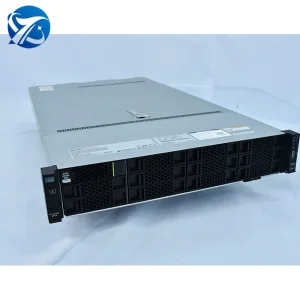
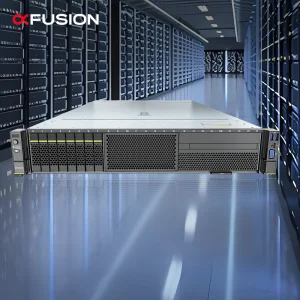
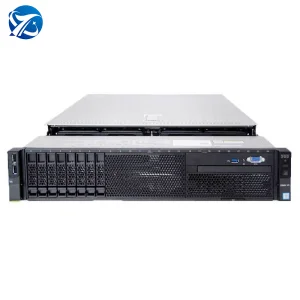
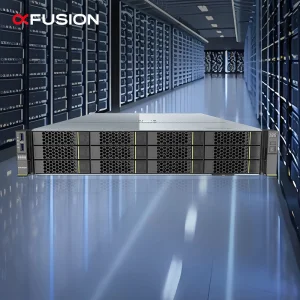
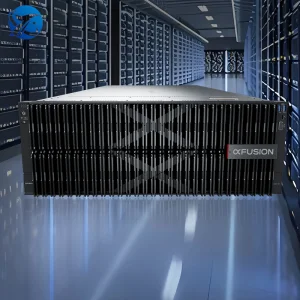
As microprocessors and AI GPU architectures push power requirements to unprecedented levels, traditional rack layouts struggle to maintain stability without highly customized, intelligent Power Distribution Units (PDUs). Whether deploying high-compute nodes like the xFusion V6 Series, FusionServer V7 configurations, or proprietary custom GPU clusters, the system's runtime and lifecycle depend heavily on the upstream PDU design.

Today, PDUs have evolved from simple utility outlets into critical network-managed hardware nodes. They provide real-time power analytics, thermal threshold protections, and granular circuit-level switching that safeguard enterprise infrastructure against overcurrent hazards, grid imbalances, and cooling failures.

China has solidified its position as the global hub for PDU design, manufacturing, and exportation. This structural dominance is driven by advanced sheet metal machining, complex copper busway processing, localized sensor production, and a robust component supply chain. Our systems approach at BoltGrid Computing Systems Co., Ltd. integrates custom computing racks and optimized power delivery strategies to guarantee operational continuity and lower overall Power Usage Effectiveness (PUE).

By marrying industrial-grade rack architectures with sophisticated power telemetry, global operators can mitigate risks, scale safely, and reduce operational overhead across regional topologies.

Technology Trends

Technological Trajectories in Power Distribution

Evaluating the advancements driving global enterprise deployment strategies for data center infrastructure.

Intelligent Power Management

Transitioning from basic power distribution to metered-by-outlet and switched PDUs. Granular level monitoring allows IT operators to analyze server-specific workloads, optimize phase balances, and prevent circuit overloads before they occur.

High-Density Adaptability

AI compute deployments require 30kW to 100kW per rack. Modern PDUs utilize heavy-gauge busbars and 3-phase high-voltage power paths (e.g., 400V AC or 240V/380V DC systems) to support massive server loads without excessive cable bulk.

IoT Integration & Telemetry

Equipping rack power strips with daisy-chained smart controllers, ambient temperature, humidity, and airflow sensors. This telemetry integrates directly into DCIM (Data Center Infrastructure Management) platforms using secure protocols like SNMP, Modbus, and gRPC.

Procurement Strategy

Procurement Criteria for Enterprise Buyers

What global engineers, procurement professionals, and data center operators look for in overseas power supply partners.

Technical Verification Checklist

  • Regulatory Certifications: Compliance with international standards such as UL 62368-1, CE LVD, FCC Class A, CCC, and RoHS limits risk across distinct operational regions.
  • Thermal Resiliency: High-grade PDU assemblies use internal copper busbar construction rather than standard wires, enabling stable execution in hot-aisle containment zones reaching 60°C.
  • Outlet Configuration Choices: A diverse mix of IEC C13, IEC C19, NEMA, or high-retention locking receptacles ensures compatibility with multi-generational server fleets.
  • Fault Redundancy: Dual-feed input capabilities (A and B feed configurations) combined with integrated hydraulic-magnetic circuit breakers block catastrophic cascade failures.

Supply Chain Verification

Global logistics demand more than just robust product engineering. Procurement agents evaluate Chinese manufacturers based on supply-chain depth, material transparency, and long-term hardware support.

Having a manufacturing structure with vast ecosystem partnerships allows for prompt deliveries and raw material sourcing security during chip shortages or tariff fluctuations. Partnering with a vertically integrated supplier who understands both computing hardware and power topologies simplifies custom system design and accelerates deployments.

Furthermore, hot-swappable communication modules in intelligent PDUs ensure monitoring hardware can be upgraded or replaced without cutting power to running servers.

Manufacturing Operations

BoltGrid Computing Systems: Scale & Integrity

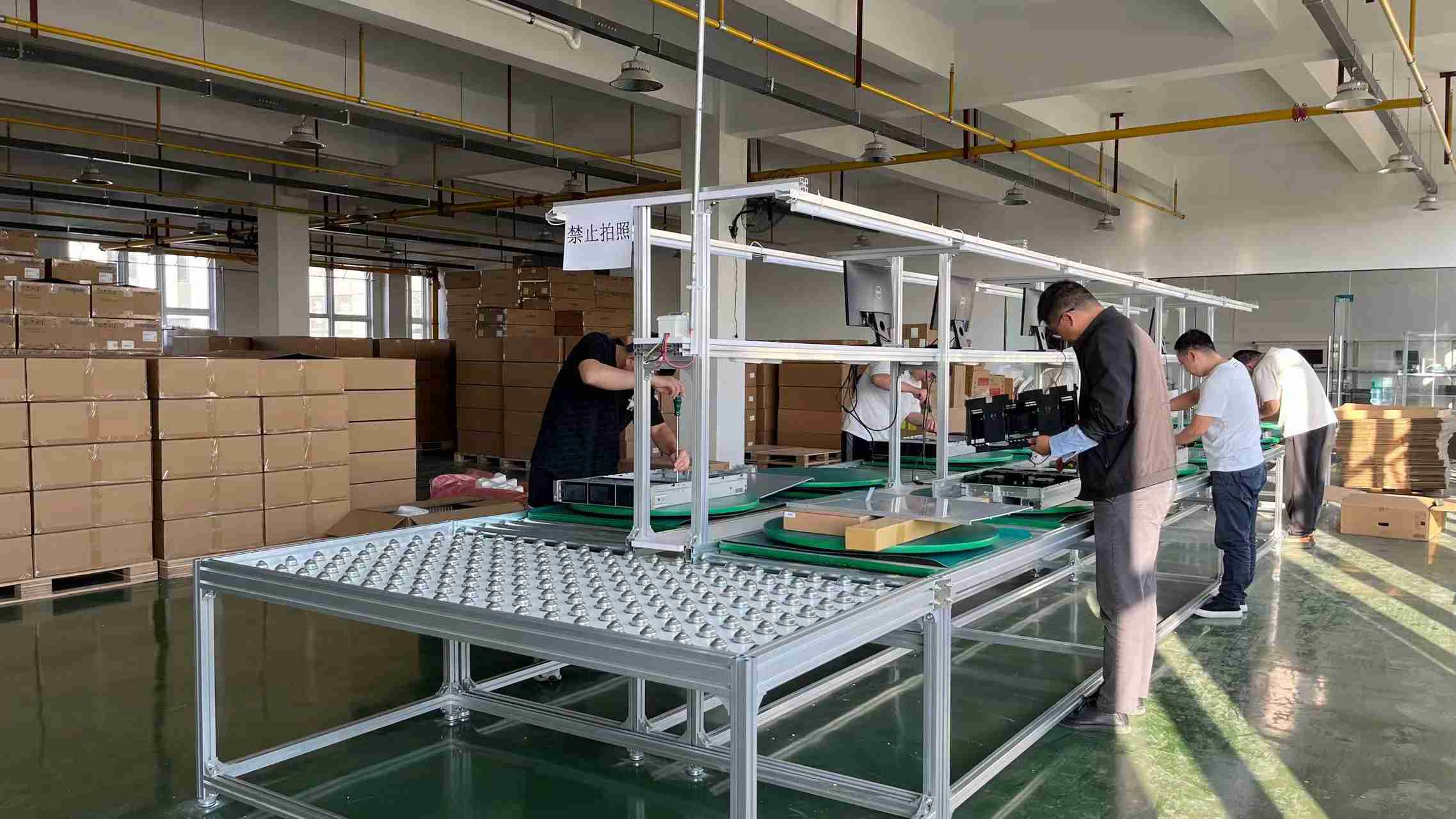
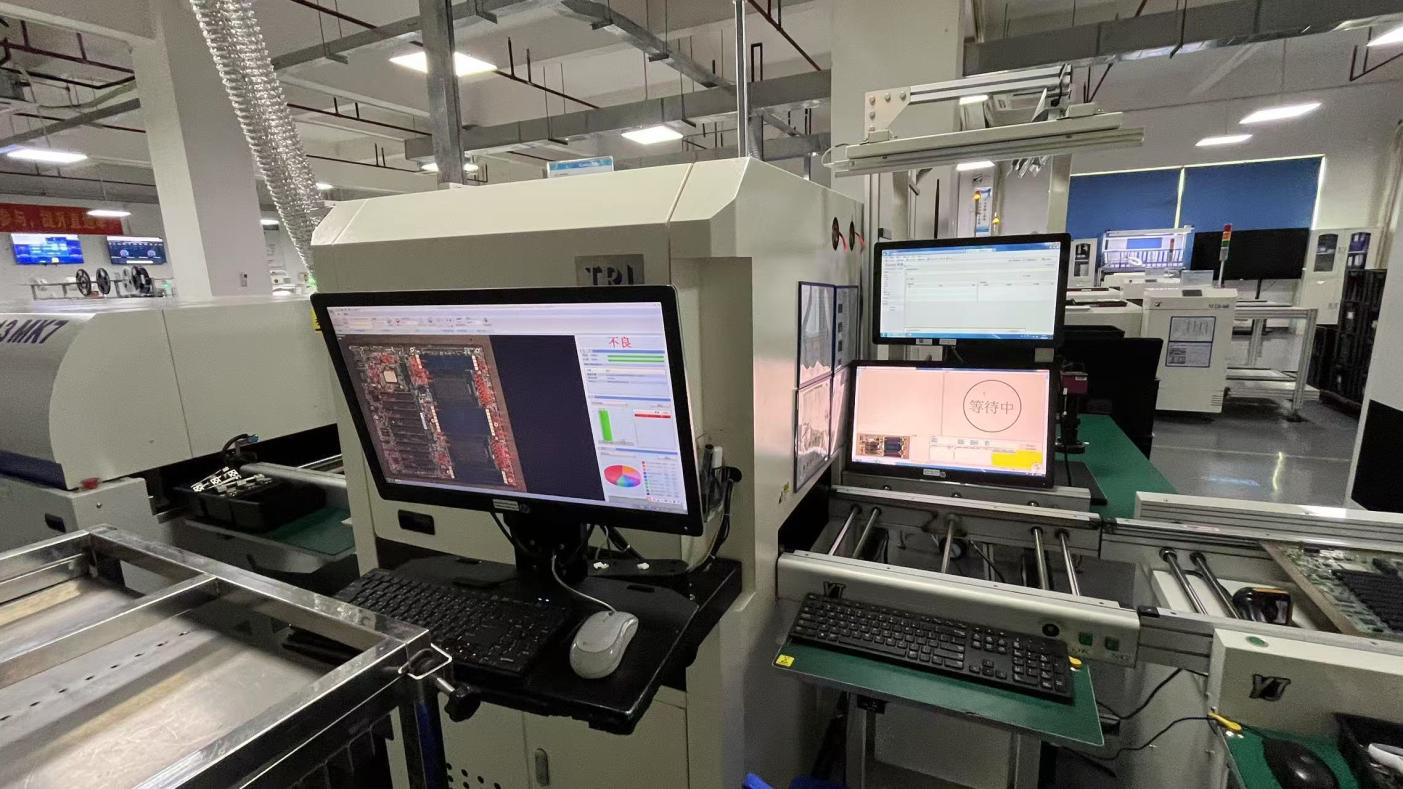
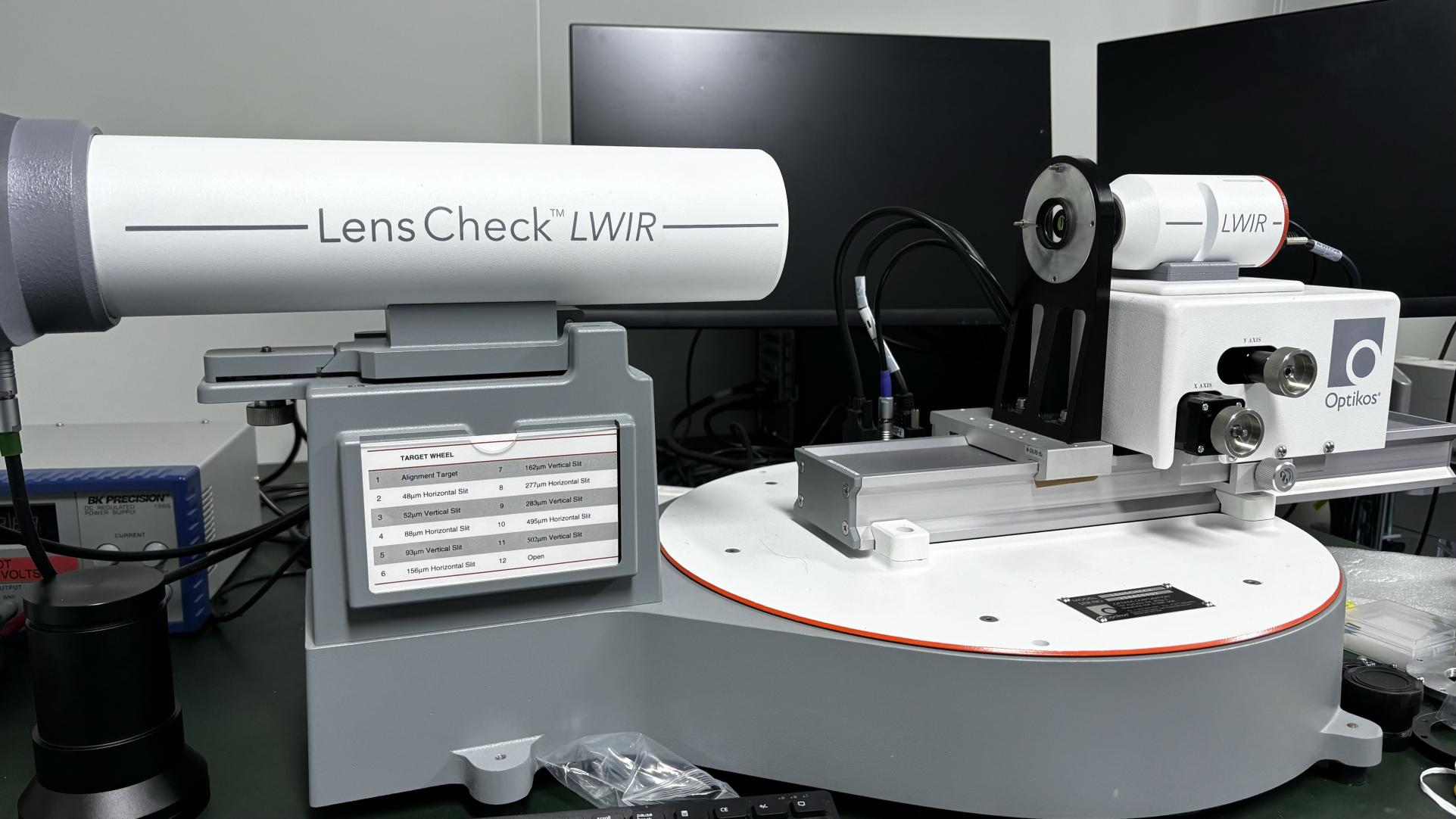
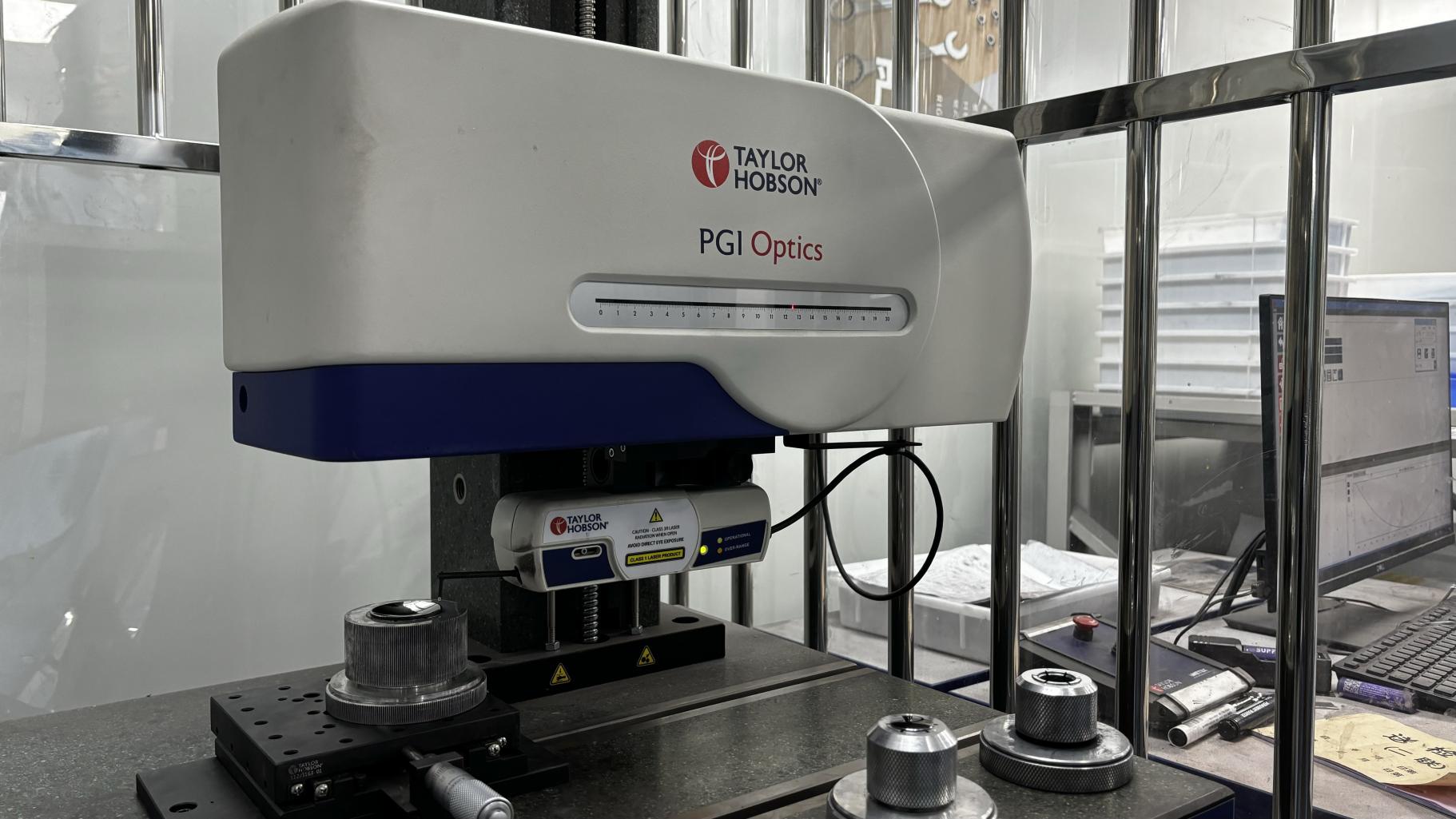
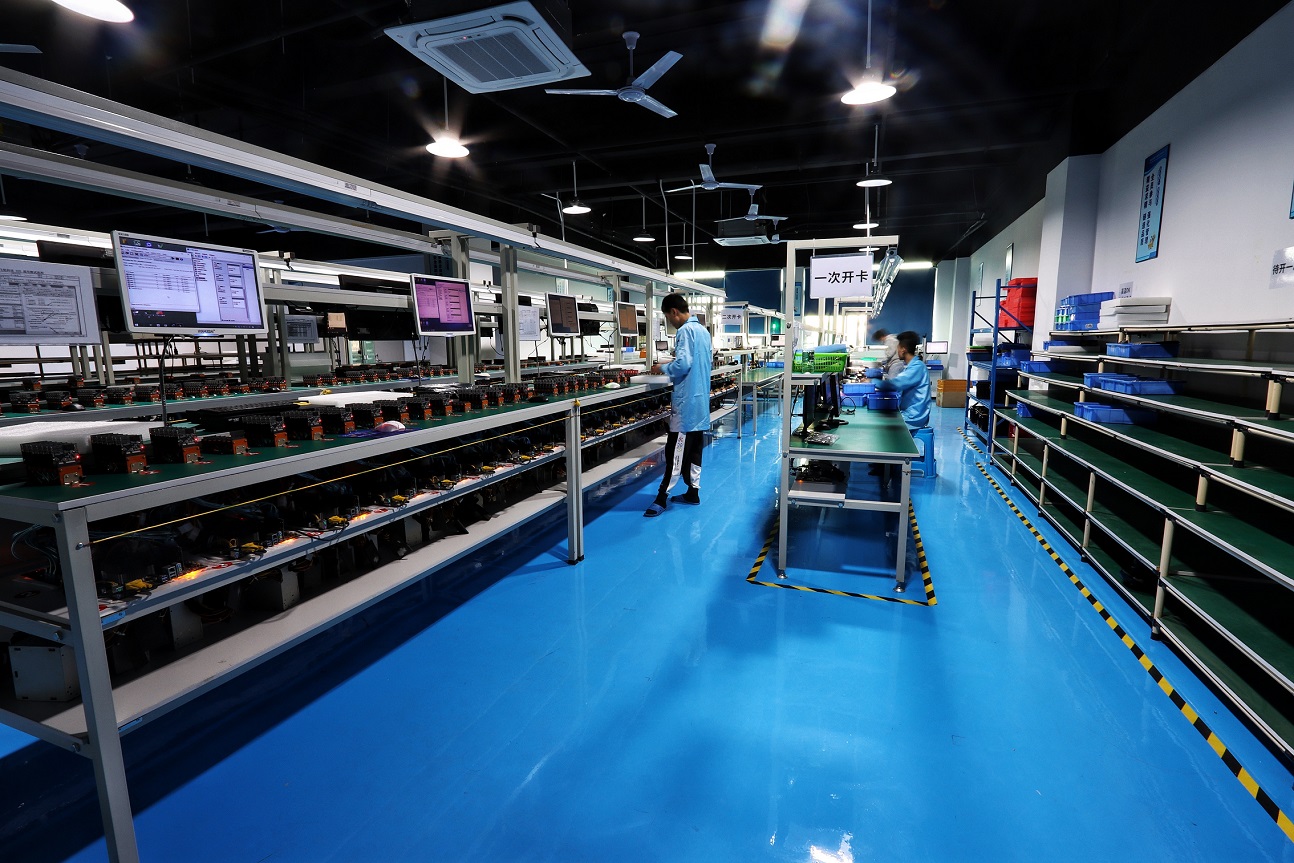
Established in 2016, BoltGrid Computing Systems Co., Ltd. has grown into a leading AI GPU server and rack solution hardware manufacturer. Our facility operations specialize in high-performance computing hardware integration, thermal management configurations, and multi-tier quality testing.

Our modern manufacturing space covers roughly 18,500㎡. It features automated assembly systems, server burn-in stations, and custom PDU test chambers. BoltGrid maintains an annual export revenue of approximately USD 18 million, shipping high-capacity systems globally for over seven years.
12+
Years Experience
45
QA Inspectors
850+
Strategic Partners
120+
R&D Engineers
BoltGrid Server Assembly Floor Memory Integration Area Quality Assurance Checkpoint Server Hardware Testing GPU Server Integration Room
System Architecture

Holistic Infrastructure Integration

Unifying processing power, structural casing, and intelligent distribution into a single, cohesive topology.

GPU Infrastructure Harmonization

High-density AI operations like LLM training generate sharp, sudden energy surges. Standard power systems can fail under these dynamic transient loads. We balance server chassis hardware with custom PDUs that absorb and distribute high-amperage draws efficiently.

Thermal & Power Correlation

Using environmental sensors embedded in the PDU, DCIM systems correlate ambient rack temperatures with CPU workloads. If cooling drops or server exhaust heat climbs, the system throttles performance to prevent hardware degradation.

Redundancy & Failover

Configuring rack rails with A/B dual-source intelligent PDUs ensures compute hardware operates uninterrupted if one power grid feed goes down. Hot-swappable power supplies within servers leverage this split-feed layout to achieve 99.999% uptime.

Technical Roadmap

Roadmap to 2030: Powering the Future of AI

How data center power architecture must adapt to support next-generation compute clusters.

2026 - 2027
Transition to 48V DC Native Rack Distributions
To reduce conversion losses, hyperscale racks are shifting to 48V DC busbars. PDUs are morphing into complex power shelf rectification panels, converting incoming three-phase AC power directly into native high-amperage DC output.
2027 - 2028
AI-Powered Predictive Branch Circuit Diagnostics
Integrating microcontrollers within the PDU module allows for edge-based load signature analysis. Algorithms analyze micro-fluctuations in current draw to detect deteriorating server power supplies before an overcurrent failure occurs.
2029 - 2030
Liquid Cooling Integrated PDU (Hybrid Power/Fluid Manifolds)
As server density exceeds 100kW per rack, direct-to-chip liquid cooling loops will integrate directly alongside high-current electrical busbars. Racks will utilize smart, unified manifolds managing both power distribution and fluid cooling flow.
Technical FAQ

Insights for Power Infrastructure Design

Addressing standard engineering queries about importing, installing, and scaling rack power systems.

How does current load balancing in three-phase PDUs affect server reliability?
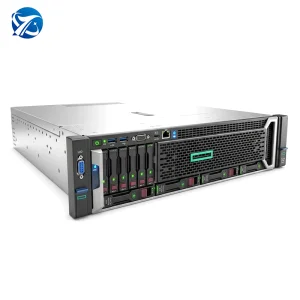
Unbalanced phases in three-phase power systems cause voltage instability and neutral wire overheating, risking server power supply unit (PSU) damage. Intelligent PDUs provide real-time phase balance monitoring, allowing engineers to distribute server loads (e.g., xFusion or HPE racks) evenly across L1, L2, and L3.
What are the advantages of hydraulic-magnetic circuit breakers in high-density PDUs?
Unlike thermal-magnetic breakers, hydraulic-magnetic circuit breakers do not degrade or trigger false trips due to high ambient temperatures in hot-aisle containment zones. They trip based solely on physical current overload, ensuring reliable operation at up to 60°C.
What is the standard configuration difference between switched, monitored, and metered PDUs?
Metered PDUs show total current on local LED screens. Monitored PDUs add network connectivity to transmit overall power metrics to DCIM software. Switched PDUs allow operators to turn individual outlets on/off remotely, making rebooting stalled servers easy.
Why is outlet-level metering preferred for AI cloud service providers?
Outlet-level metering tracks the power draw of individual server chassis. This allows cloud providers to calculate precise power usage per client. It also helps detect compute anomalies, such as a GPU server consuming power without running workloads.
How do locking receptacles prevent downtime?
Vibrations from high-RPM server fans can loosen standard power cords over time. Locking receptacles (like IEC V-Lock or proprietary dual-locking systems) keep power cables secure, avoiding accidental disconnects during hardware service.
What input plug configurations are standard for global data center regions?
North American configurations use NEMA plugs (like L6-30P, L21-30P) or Pin and Sleeve connectors (IEC 60309 60A/100A). European and Asian facilities typically use IEC 60309 16A, 32A, or 63A plugs. Manufacturers like BoltGrid custom-configure input lines to match local facility systems.
How do environmental sensors connect to intelligent rack PDUs?
Most intelligent PDUs feature dedicated sensor ports (RJ12 or RJ45). This allows engineers to plug in temp/humidity probes and water leak sensors, daisy-chaining them along the rack frame without needing extra IP addresses.
What is the benefit of a hot-swappable PDU controller?
If the network board or LED display on an intelligent PDU fails, a hot-swappable controller lets technicians slide out the broken component and slide in a new one. Power distribution to running servers is never interrupted.
How does PDU choice impact Data Center Power Usage Effectiveness (PUE)?
High-efficiency internal PDU busbars minimize voltage drop and heat losses within the rack. Granular monitoring helps operators spot over-provisioned servers, reducing idle power consumption and improving overall data center PUE.
What does safety certification compliance mean for procurement liability?
Safety certifications like UL, CE, and TUV verify that the PDU has passed strict tests for insulation, fire hazard prevention, and structural strength. Using certified units simplifies local building inspections, ensures compliance, and lowers insurance liability.