BoltGrid
BoltGrid
BoltGrid
High-Density Servers, CPU Upgrades, RAM Sizing, and Redundant Power Units Optimized for ERP Environments
Modern global organizations require Enterprise Resource Planning (ERP) software platforms to function as central nervous systems. However, even the most advanced ERP software packages (SAP S/4HANA, Oracle Cloud ERP, Microsoft Dynamics 365, etc.) are only as effective as the underlying compute, storage, and networking layers supporting them. Without reliable, scale-up database processing, sub-millisecond storage access, and massive RAM scalability, enterprise transactions stall, generating high latency and severe business interruptions.
BoltGrid Computing Systems Co., Ltd. acts as the critical manufacturing backend, providing custom GPU/CPU enterprise servers, redundant power distribution, and fast memory solutions that fuel ERP databases and high-performance computing clusters worldwide. Founded in 2016 and leveraging 12 years of core industry engineering, BoltGrid bridges the gap between hardware execution and complex SaaS ERP workloads.
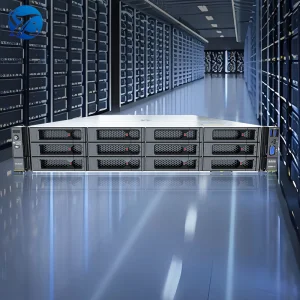
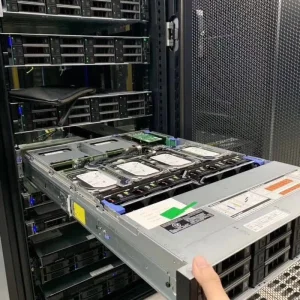
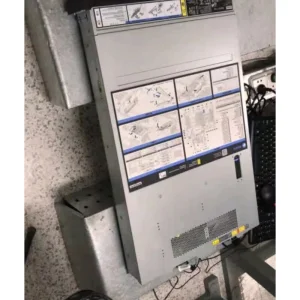
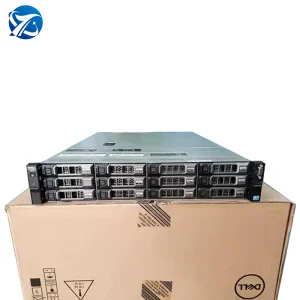
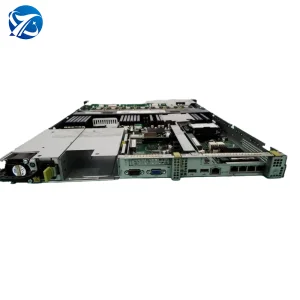
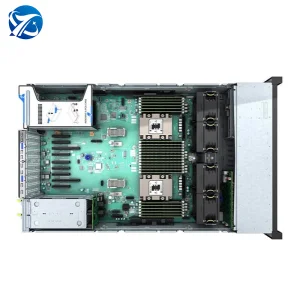
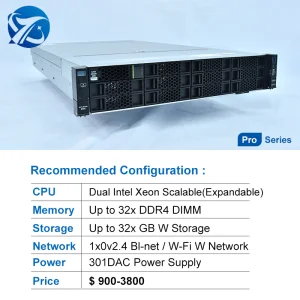
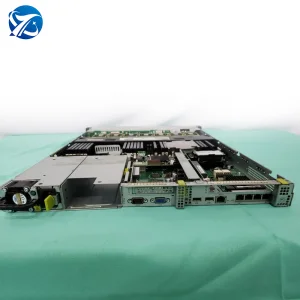
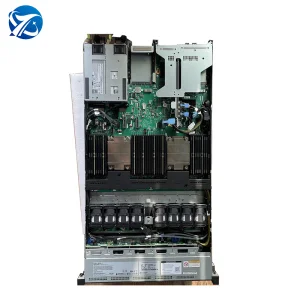
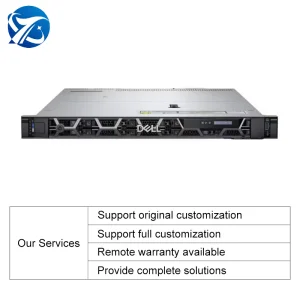
At our modern 18,500㎡ facility in China, BoltGrid deploys precision engineering workflows to produce high-density server architectures like the FusionServer 2288H V7 and PowerEdge matching chassis. Our structural capacity supports scale-out ERP databases, ensuring full hardware integration, assembly, firmware configuration, and deep hardware testing before export.
We deploy a professional quality assurance team of 45 QA inspectors checking components through multi-phase thermal profiling, system stress simulations, and continuous burn-in operations. This reduces post-delivery failures to nearly zero, securing continuous operation for relational database environments.
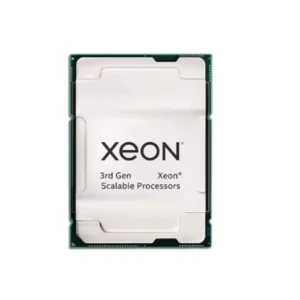
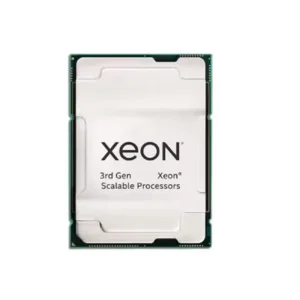
Backed by over 850 strategic partners globally, BoltGrid ensures direct sourcing of scarce server components (including advanced Intel/Xeon processors, DDR4/DDR5 high-capacity RDIMMs, enterprise SAS/NVMe storage, and high-efficiency Platinum power supply units). This buffers logistics networks against bottlenecks.
For more than 7 years, we have built standard export channels to North America, Europe, Southeast Asia, and the Middle East, reaching over USD 18 million in annual export values. This volume enables us to handle international compliance, bulk freight customs clearances, and multi-destination deliveries smoothly.
As enterprise resource planning evolves from passive transaction recording to predictive AI decision-making (using integrated LLMs like DeepSeek, GPT-style supply chain query processing, and real-time regression analysis), server hardware must evolve accordingly. Traditional dual-socket CPU systems now require integration with GPU expansion blocks and ultra-high-speed memory configurations.
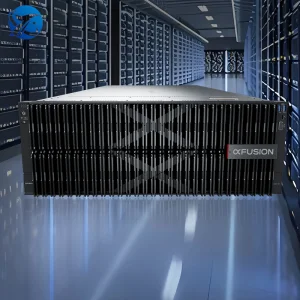
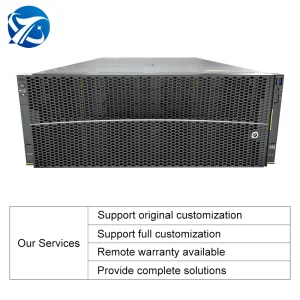
Enterprise database software platforms run heavy mathematical procedures on memory arrays. The introduction of platforms like the FusionServer 5885H V7 4U Server with 4-socket capability allows organizations to aggregate compute footprints without setting up complex multi-server network interconnections. Having up to 4 Intel Xeon Scalable processors in one system helps databases scale natively with minimal interconnect delays.
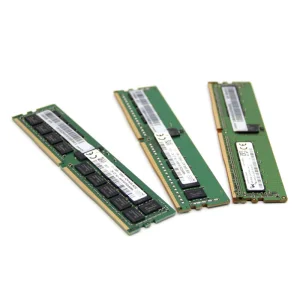
Memory speeds represent the most common constraint in ERP transactions. In-memory databases like SAP HANA rely directly on memory throughput. Standard DDR4 RAM at 3200MHz is transitioning to DDR5 modules, increasing read/write bandwidth and reducing latency for high-concurrency access. Additionally, features like ECC (Error Correcting Code) avoid system crashes caused by random byte flips, protecting system uptime.
| Infrastructure Requirement | Legacy ERP Systems (DDR4 / PCIe 3.0) | Modern ERP Architectures (DDR5 / PCIe 5.0) | AI-Native Predictive ERP (GPU-Accelerated) |
|---|---|---|---|
| Primary Compute Engine | Dual Intel Xeon Cascade Lake | Dual/Quad Intel Xeon Scalable (Sapphire Rapids) | Hybrid Xeon CPUs + Multi-GPU Accelerators (H100/L40S) |
| Memory Processing Bandwidth | Up to 2933/3200 MT/s | Up to 4800/5600 MT/s | Unified System RAM & HBM (High Bandwidth Memory) |
| Storage Bus Interfaces | SATA / SAS SSDs (Slower database writes) | NVMe PCIe Gen 4 / Gen 5 (Ultra-fast logs) | Direct-attached Storage Over Fabrics (NVMe-oF) |
| Primary Target Workload | Batch report generation, basic billing | Real-time inventory updates, interactive dashboards | Automated predictive sourcing, AI agent operations |
Different industries present unique loads to their core ERP software systems. BoltGrid designs customized server configurations optimized for these distinct environments:
Workload Challenge: Continuous, microsecond updates for bill-of-materials (BOM) alongside live sensor feedback from Factory 4.0 automated operations.
BoltGrid Hardware Solution: High-density 1U/2U servers equipped with nvme drives to write ledger updates instantly and handle multiple connections without storage delays.
Workload Challenge: Sudden traffic spikes during holiday shopping events, requiring high transactional performance for databases.
BoltGrid Hardware Solution: 4U multi-socket FusionServers with redundant Platinum 2000W AC PSUs to protect systems against grid fluctuations during peaks.
Workload Challenge: Managing sensitive item tracking while meeting strict data security requirements (like HIPAA and European GDPR standards).
BoltGrid Hardware Solution: Enterprise servers containing hardware TPM 2.0 modules and secure processor architecture to enforce real-time, hardware-level encryption.
Sourcing computing hardware internationally requires strict compliance with domestic and global safety, electromagnetic emission, and environmental standards. BoltGrid products are designed, built, and certified to meet the regulatory requirements of different export target markets:
Meets standard European safety, health, and environmental protection requirements for reliable operation across European enterprise data centers.
Certified under FCC Title 47 Class A standards, confirming our servers meet low electromagnetic interference rules for enterprise deployments.
Limits hazardous substances in electrical designs, protecting recycling networks and long-term hardware handling safety.
Power components, redundant chassis fans, and system boards utilize materials that minimize risk and support safety ratings under continuous heavy loads.
Furthermore, BoltGrid provides direct hardware localization options. This includes configuring redundant power supplies (ranging from 110V/220V AC input systems to 240V/336V High-Voltage DC systems for green hyperscale centers), customizing rails to match diverse 19-inch rack types (depths of 800mm, 1000mm, or 1200mm), and flashing target-localized BMC firmware for easy English, European, or Asian interface management.
A transparent look at our integration line, testing areas, and component stocks, ensuring our products match our performance metrics before leaving the factory.
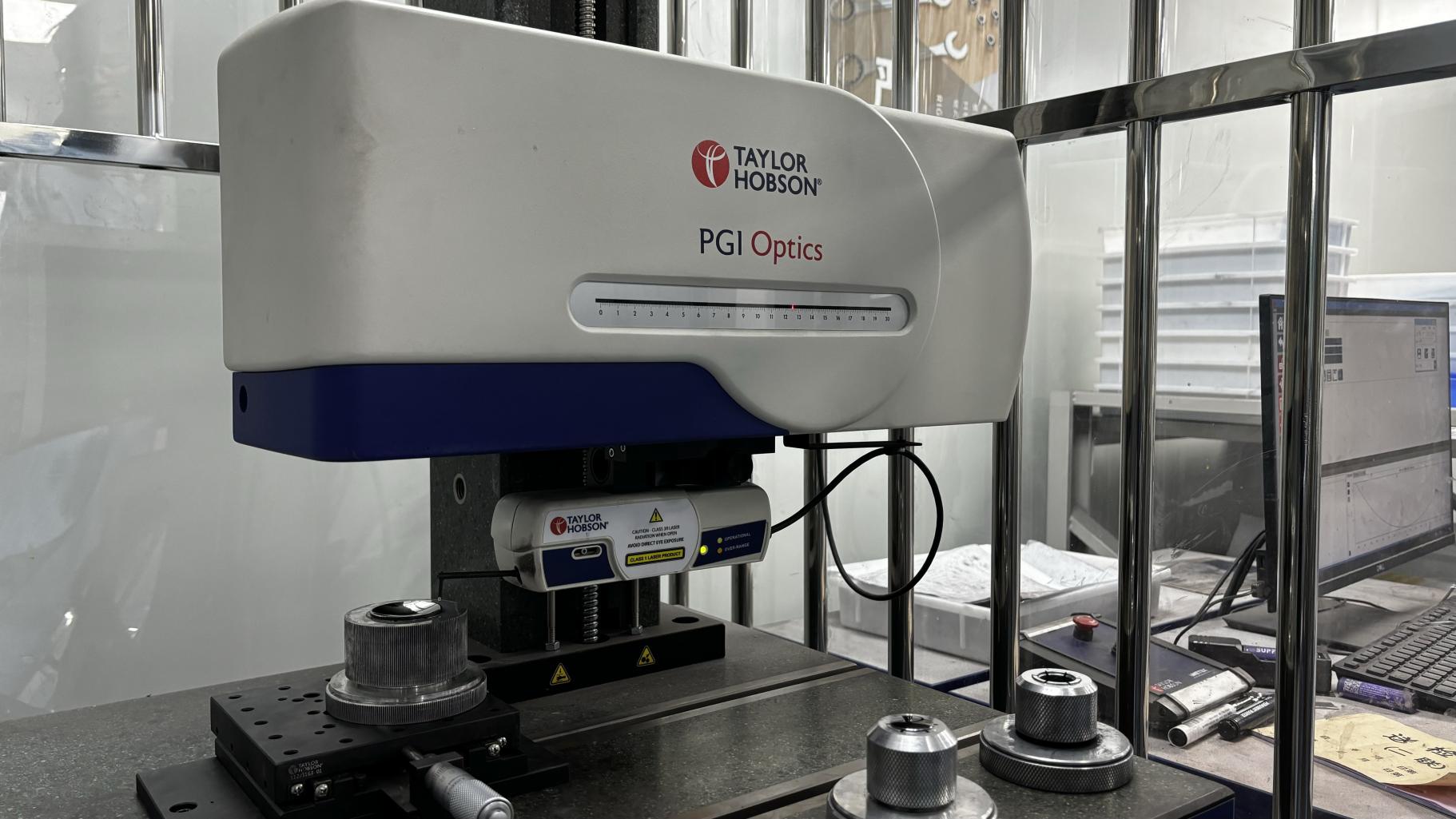
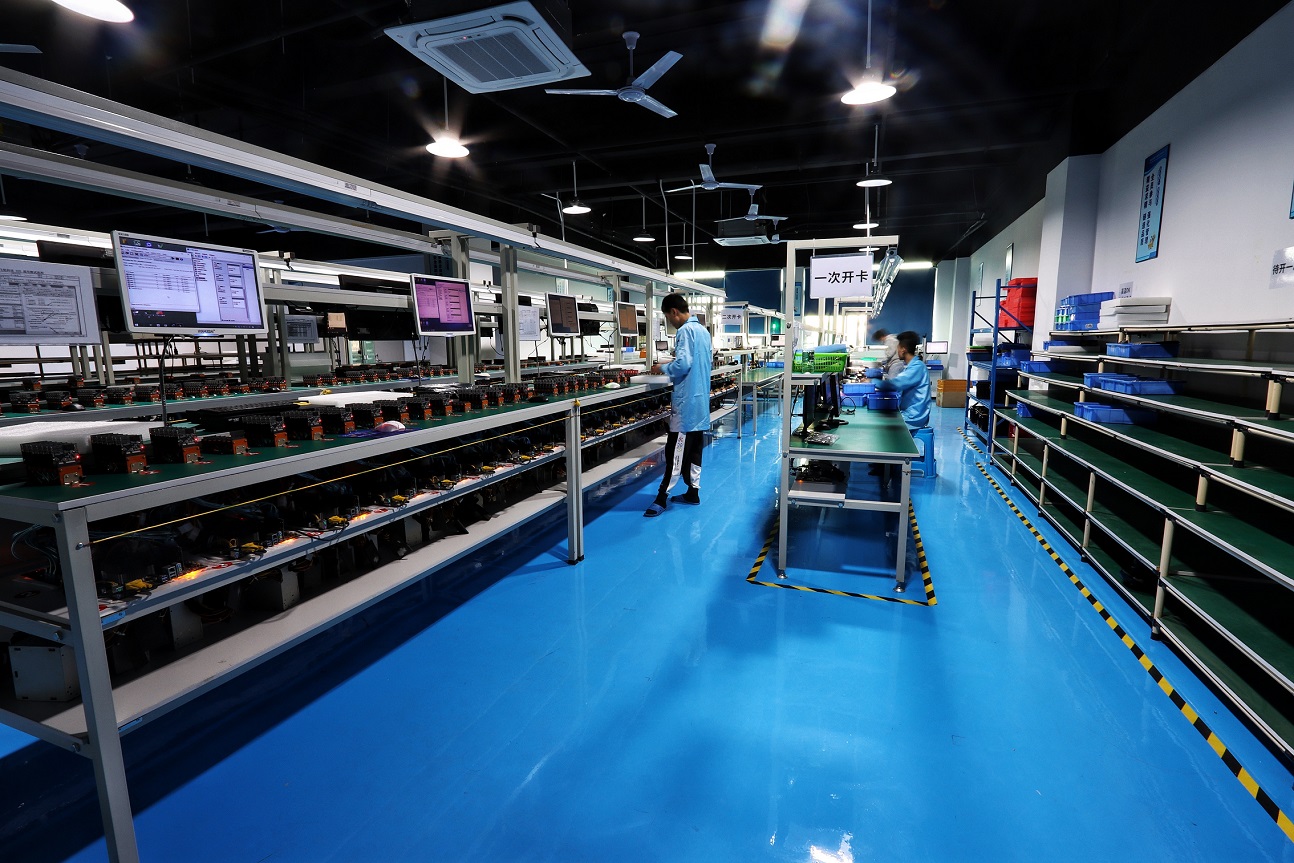
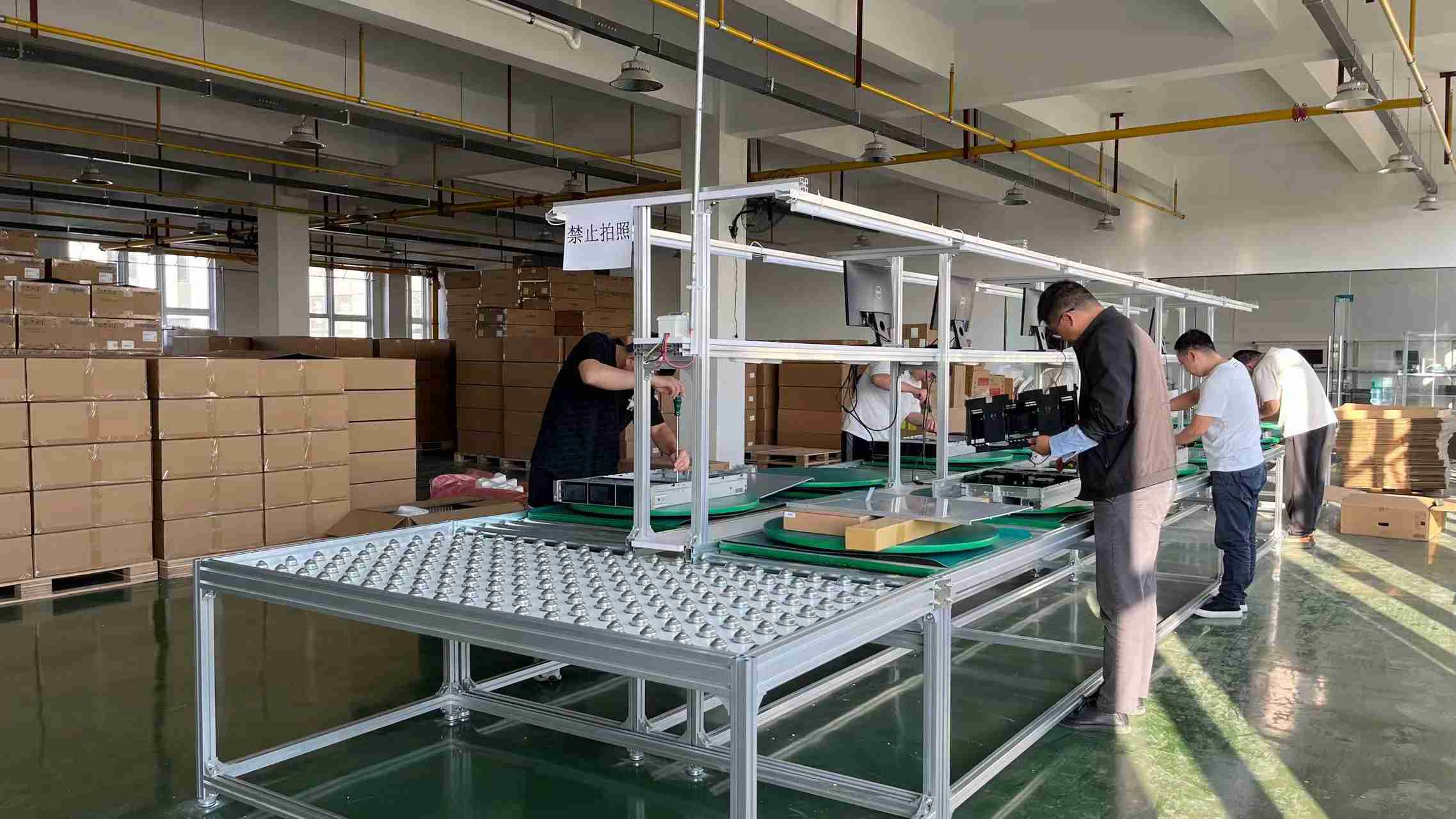
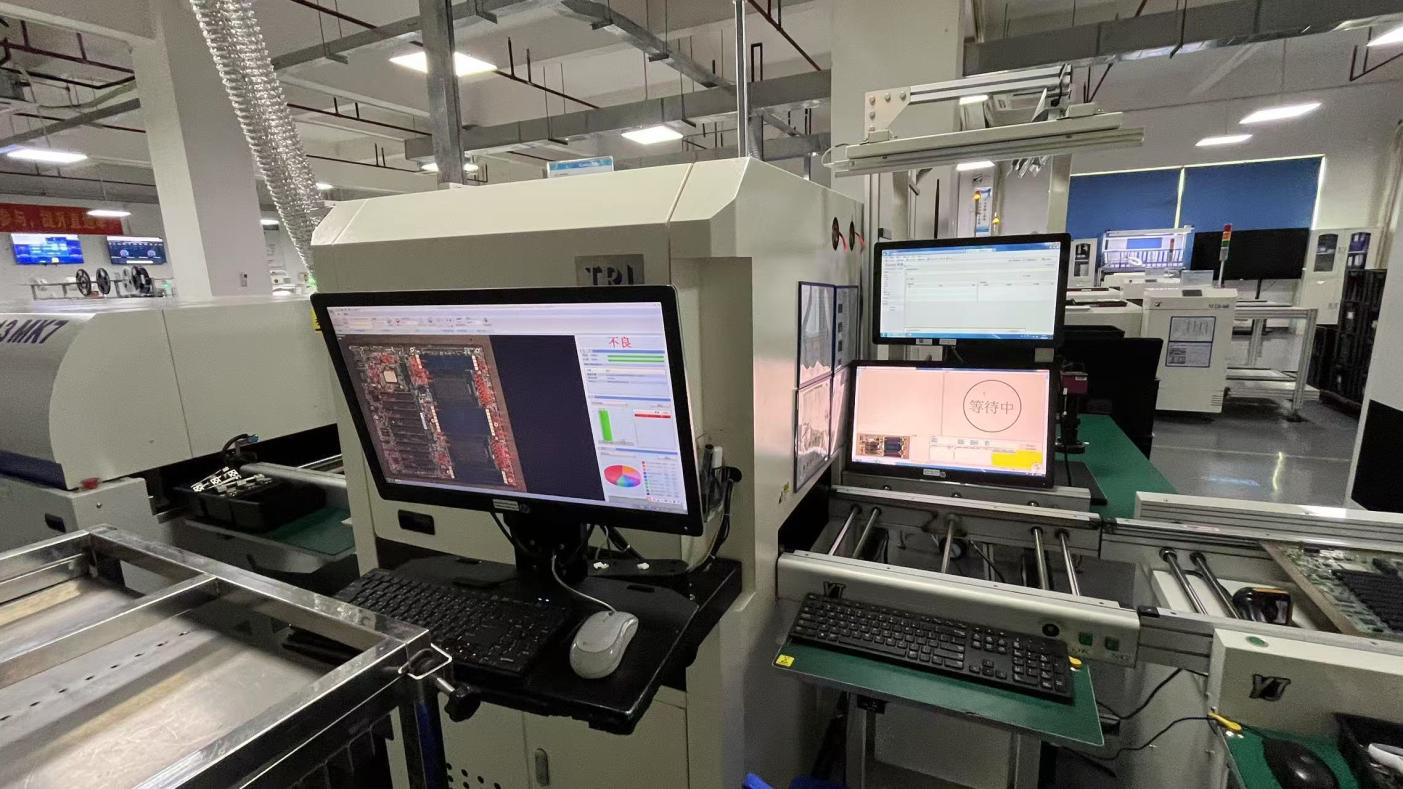
Sourcing agents and infrastructure managers need systems matching pre-existing data center requirements, rack power budgets, and localized ventilation profiles. BoltGrid supports this requirement by manufacturing customized hardware modifications through our engineering network.
Our engineering division of 120 developers helps clients design specific server configurations: optimizing internal layouts for specific RAM density, adapting heat pipe designs for low-noise fan sets, and optimizing chassis dimensions. BoltGrid designs and releases roughly 85 new configuration variants annually, supporting modern advancements in core processing technologies.
Key hardware questions answered by our engineering and logistics compliance team.
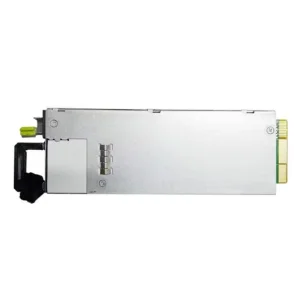
A: We run dynamic thermal tests and extensive component burn-in programs under high processor loads. We use redundant, hot-swappable Platinum-grade power supplies (such as our 900W, 1500W, and 2000W units) to protect server performance against power drops or module failures.
A: Yes. We customize systems with ECC RDIMM memory modules (including DDR4 and DDR5 configurations) to match your workload needs. We configure drive cages to support NVMe, SAS, or SATA arrays for balanced speed and storage size.
A: Our systems (including our xFusion and Dell matching architectures) run standardized UEFI firmware and IPMI-compliant BMC chips. This supports virtualization layers like VMware ESXi, Proxmox, and KVM for unified resource management.
A: Standard manufacturing lead times range from 15 to 25 days, depending on components like CPUs and high-density chips. Our strategic ecosystem of 850 partners helps secure materials and keep production schedules reliable.
Enterprise Rackmount Solutions and Accelerated Storage Nodes