BoltGrid
BoltGrid
BoltGrid
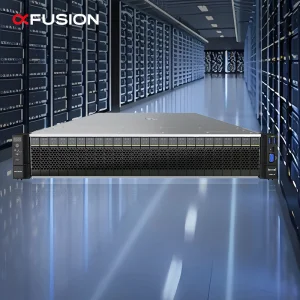
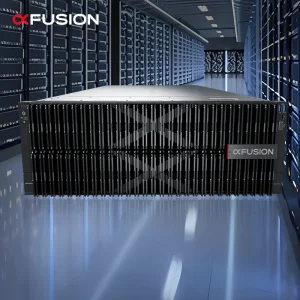
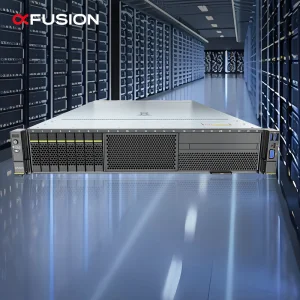
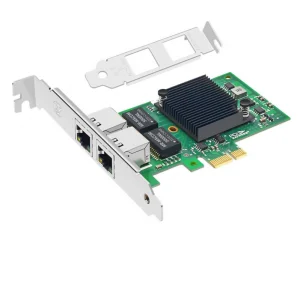
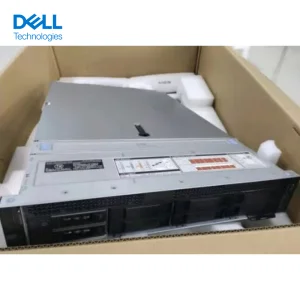
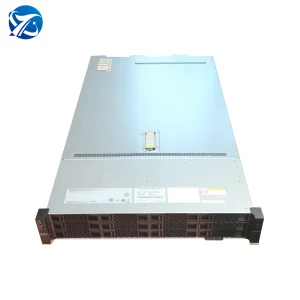
In an era defined by massive data expansion, cloud computing, and real-time analytical workloads, the preservation of information integrity stands as a critical challenge for global enterprises. BoltGrid Computing Systems Co., Ltd. position ourselves not merely as hardware manufacturers, but as strategic architects of high-reliability computing foundations. Operating a modern 18,500 square meter production facility and drawing from 12 years of industry experience, we design, test, and integrate the complex infrastructure required for active storage security, block-level redundancy, and physical-to-logical data recovery solutions.
True data recovery solutions are rarely confined to software routines. Modern enterprise systems—ranging from multi-tiered RAID arrays using controllers like the XP270-M2 (SAS3808) or the LSI 9560-8i to high-density GPU server enclosures—rely heavily on physical layer stability, microcode optimization, and precise hardware interfaces. When hard disks, solid-state drives, or NVMe storage pools encounter failure, raw computing power and specialized interface control units dictate the speed and success of the recovery process. BoltGrid bridges this critical gap by delivering hardware engineered specifically to withstand heavy workloads, facilitate forensic imaging, and sustain intensive read-write processes during emergency operations.
Across North America, Europe, Southeast Asia, and the Middle East, enterprises face a multi-pronged threat landscape consisting of physical component wear, firmware corruption, and software-defined array failure. Standard recovery protocols are no longer sufficient to handle the scale of petabyte-level data lakes. As a leading exporter with an annual export value of USD 18 million, BoltGrid has closely observed and adapted to these shifting macro demands:
The ubiquity of high-capacity storage nodes, such as 20TB enterprise SATA and SAS hard drives, means a single unit failure can compromise massive datasets, requiring high-bandwidth channels for rebuilding.
With hardware-driven RAID configurations (RAID 0, 1, 5, 6, 10, 50, 60), physical controller crashes demand exact hardware matching and low-level block scanning to reconstruct stripes without loss.
SSD wear-out, controller panic, and translation layer (FTL) corruption demand clean hardware power cycling, thermal mitigation, and direct chip access protocols to retrieve raw cells.
Industrial recovery operations require high-performance compute host structures. Re-matching fragmented sectors or executing GPU-accelerated algorithmic pattern search for corrupted database headers needs robust server chassis platforms. The host systems must maintain stable thermal margins under 100% duty cycles for days or weeks at a time. The system design must incorporate reliable power distribution (such as redundancy architectures seen in our 900W and 2000W server builds) to prevent power fluctuations from introducing write errors or head crashes during physical extraction phases.
At the laboratory level, data recovery has transitioned from basic logical extraction to advanced computational rebuilding. This section traces the path from raw storage media degradation to physical reconstruction through modern processing host nodes:
When hard drives experience mechanical failure (such as read/write head misalignment, motor seizure, or magnetic coating degradation), recovery requires a cleanroom intervention. Once the platter assembly is stabilized, the drive is connected to custom diagnostic hosts. These hosts must bypass standard OS file-system polling to access data directly through customized ATA/SATA command packets. BoltGrid’s rack server backplanes are engineered with low-jitter signaling, minimizing signal attenuation during delicate bit-by-bit cloning procedures.
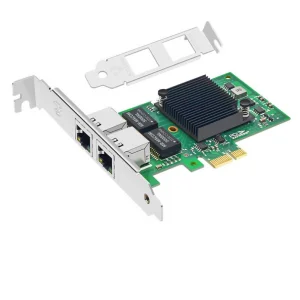
For enterprise environments, data is distributed across multiple channels using hardware RAID controllers. When a controller board fails, replacing it with mismatched hardware can trigger a destructive initialization cycle. By utilizing flexible host cards, such as the LSI 9560-8i (Gen 4.0 NVMe/SAS/SATA Tri-Mode), data engineers can run non-destructive, read-only sector virtualization. This process reconstructs parity distribution patterns (XOR logic) within volatile system memory, preventing raw modifications to damaged target drives.
Modern recovery relies heavily on artificial intelligence models to predict structure sequences in damaged databases. Utilizing neural networks, storage recovery engines can analyze damaged RAW image files, recognize file signatures, and patch fragmented sectors. This computing task requires significant system bandwidth and GPU throughput. The combination of high-density CPU architectures (e.g., *Intel Xeon Scalable Processors*) and high-speed PCIe Gen 4/5 expansion slots on our servers ensures that large-scale deep learning parsing routines can operate efficiently, reducing extraction windows from months to hours.
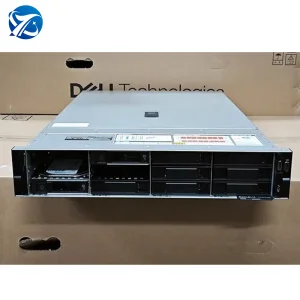
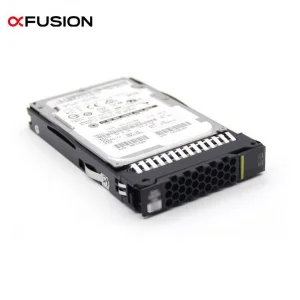
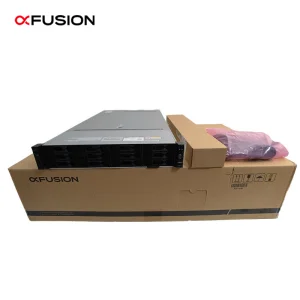
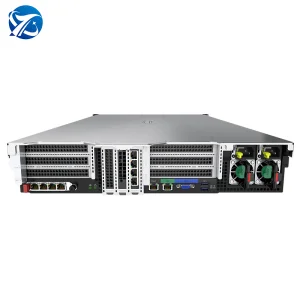
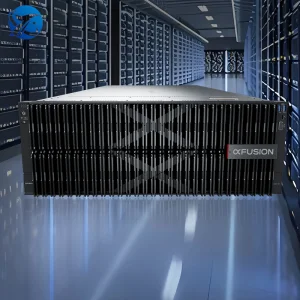
BoltGrid’s computing products are engineered for specific, high-stakes recovery scenarios where standard components struggle with interface constraints, power delivery limitations, or thermal throttling.
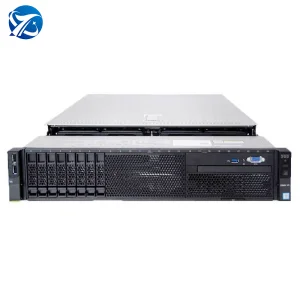
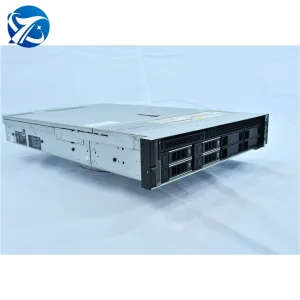
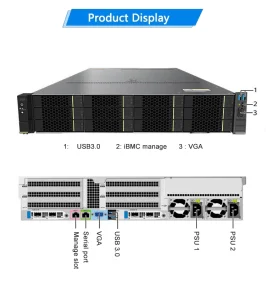
For enterprise hosting environments, we deploy specialized systems equipped with large bays of high-capacity storage drives and multi-socket CPU clusters. During active rebuilding phases, data recovery software requires rapid buffer regions. By utilizing high-bandwidth motherboards alongside PCIe NVMe boot drives, storage managers can create fast scratch-disk arrays. These arrays temporarily hold logical filesystem clones, shielding the damaged hardware target from direct extraction wear.
A frequent issue in large arrays is "cascading drive loss," where the rebuild load of a failed drive stresses the remaining disks, causing a second disk failure that crashes the array. Modern RAID setups using the XP270-M2 boot card or the 9560-8i controller mitigate this risk by enforcing hardware-level logical boundaries. They monitor device health, partition critical metadata sectors, and allow system recovery teams to clone damaged disk sectors before executing complete array rebuild commands.
Our server builds utilize heavy-duty cooling configurations to handle the intense thermal load of continuous sector cloning, preventing thermal calibration offsets on degraded drive platters.
Equipped with highly efficient PSUs (up to 2000W redundant configurations), our systems deliver smooth DC voltage, preventing power anomalies that could damage sensitive drive components during physical recovery.
Precision manufacturing guarantees minimal electromagnetic interference, maintaining clean data transfer paths even when scanning damaged sectors on SATA, SAS, or NVMe protocols.
Modern recovery operations often face encrypted partitions (BitLocker, LUKS, FileVault) that have sustained block damage. In these cases, restoring the files is only half the battle; the key metadata blocks are often scrambled. Recovery agencies run decryption tools on parallel computing architectures. Our AI-optimized GPU servers are built to support multiple accelerator cards, making them ideal hosts for running key-recovery algorithms and reconstruction models on damaged systems.
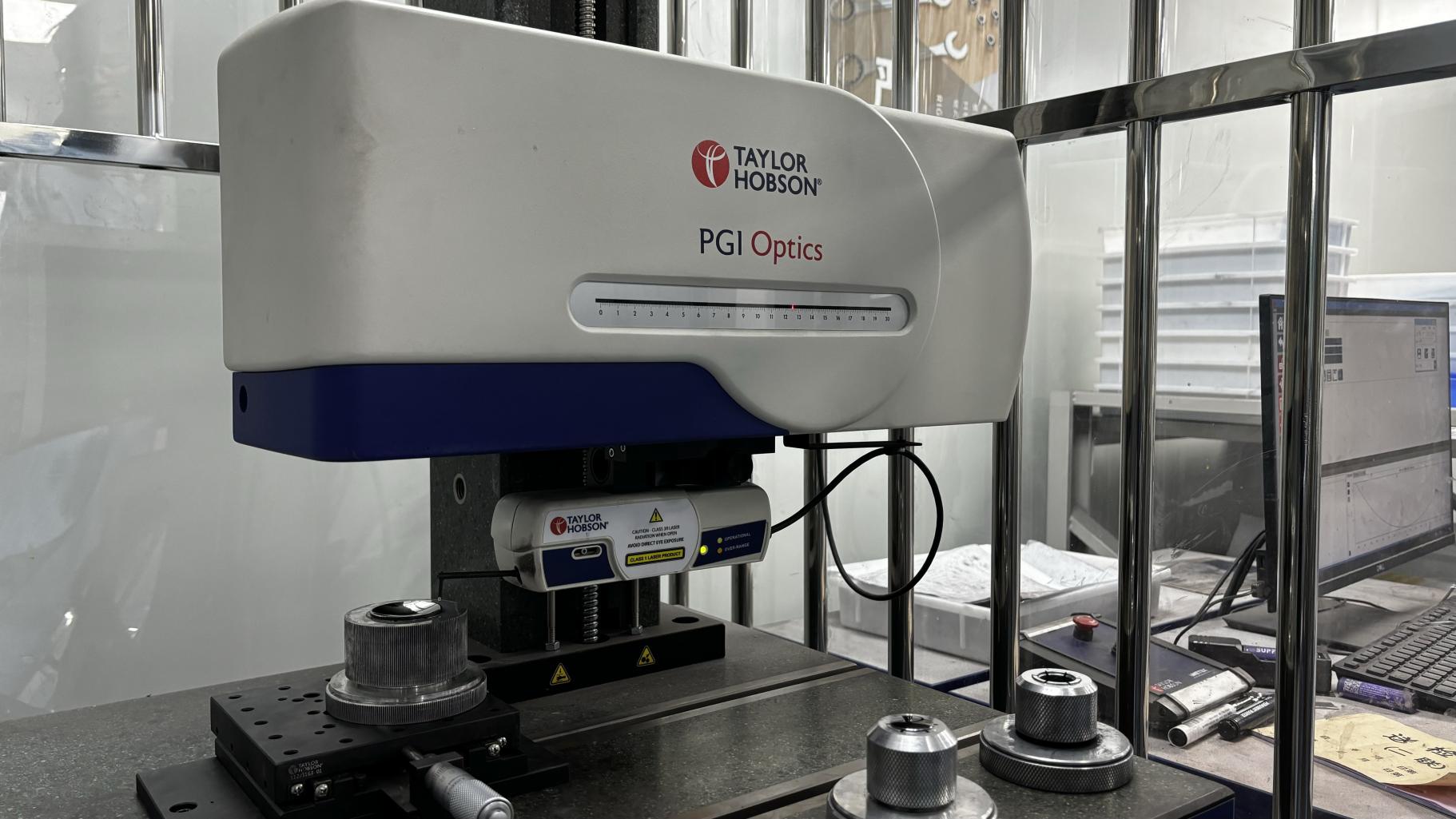
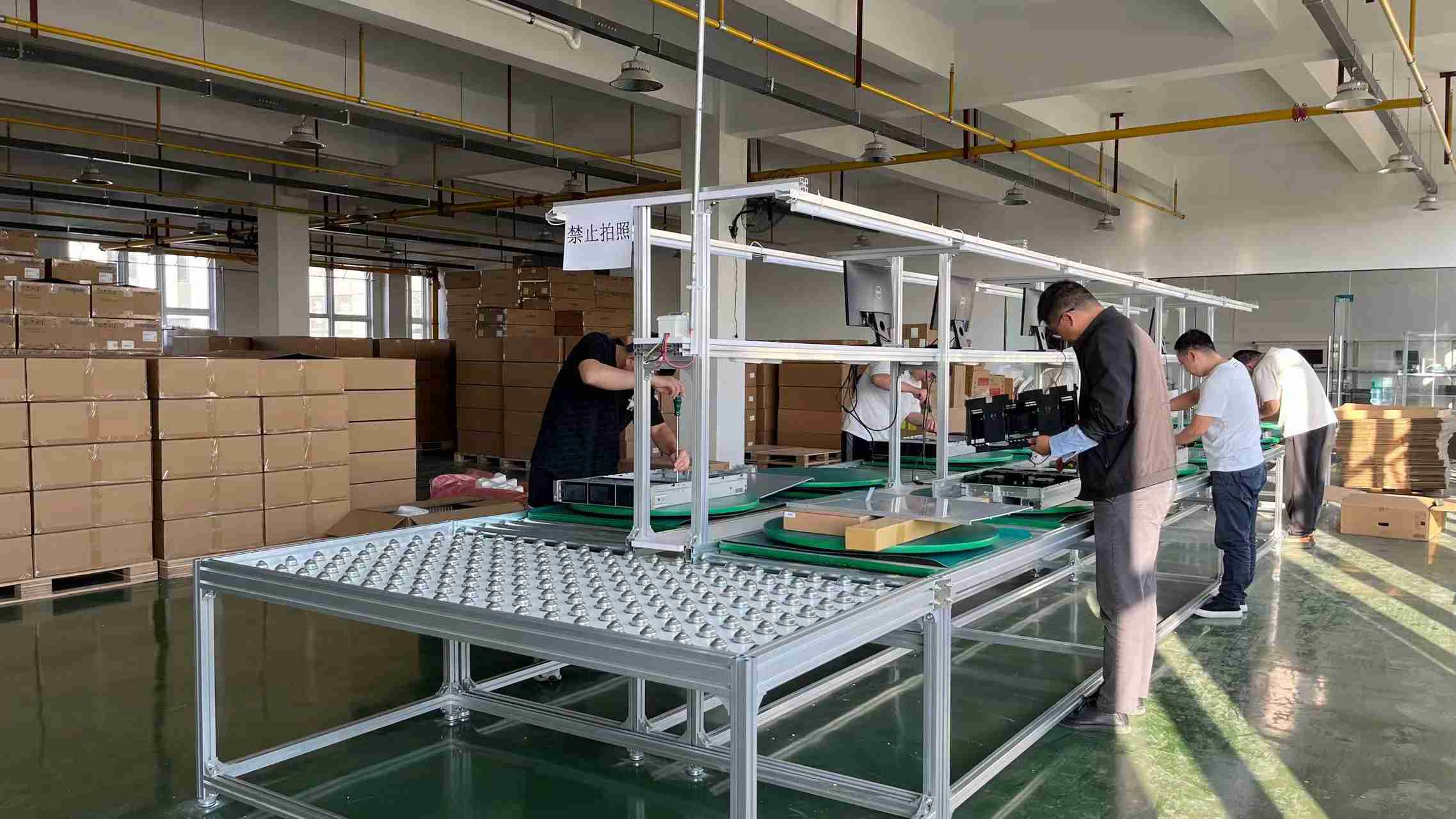
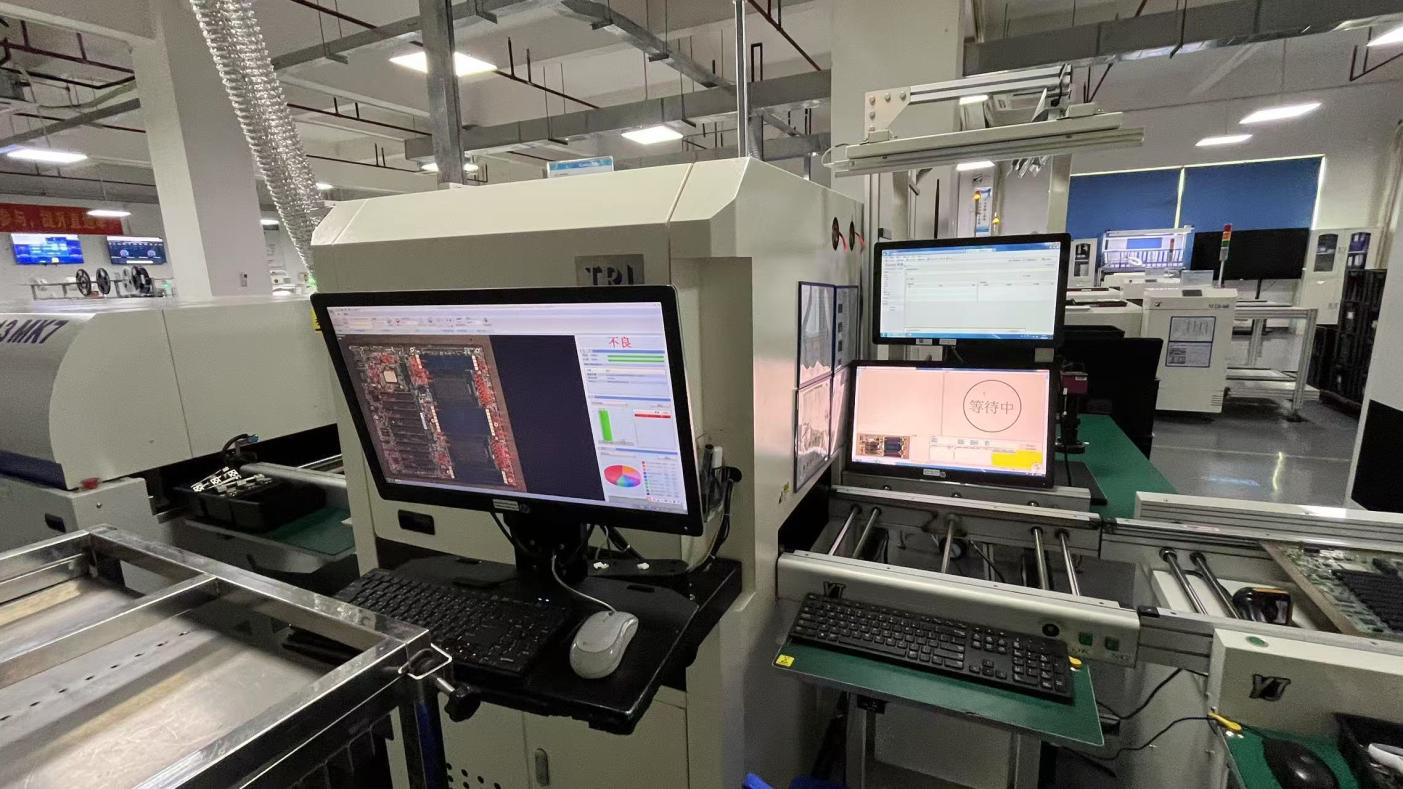
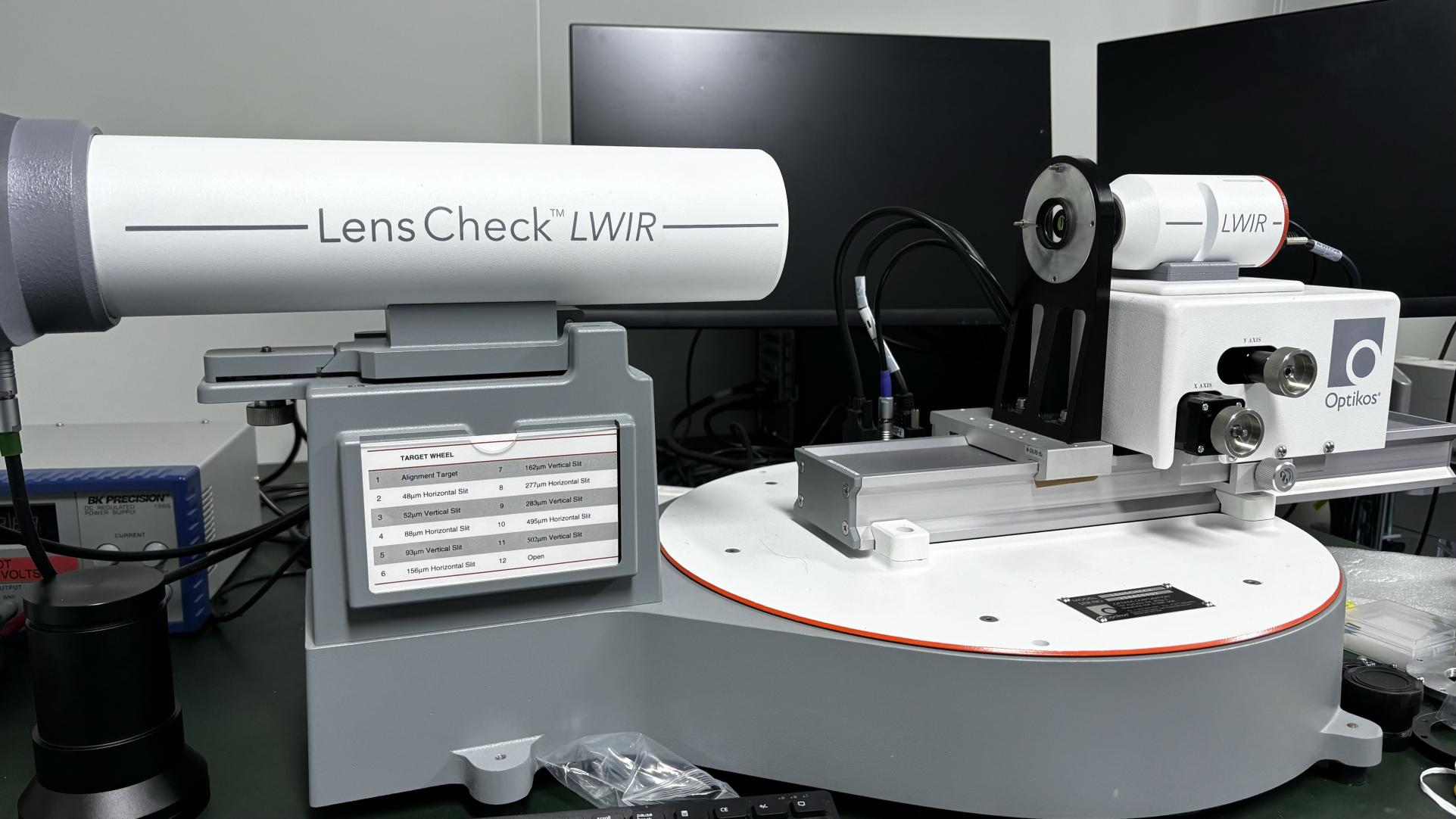
High-performance hardware recovery and storage environments require reliable, stable systems. BoltGrid maintains strict manufacturing controls to ensure component performance under load. Operating a 18,500 square meter factory, we run systematic testing processes managed by a dedicated team of 45 quality inspectors.
Every motherboard, storage backplane, and expansion adapter undergoes stress testing, including thermal environment simulation, system load cycling, and high-temperature burn-in tests. Our supply chain includes over 850 strategic partners, ensuring that all components meet strict tolerances before integration. We customize server form factors, memory scaling, and cooling layouts to support specific software and hardware configurations for global recovery laboratories, cloud service providers, and database operations.