BoltGrid
BoltGrid
BoltGrid
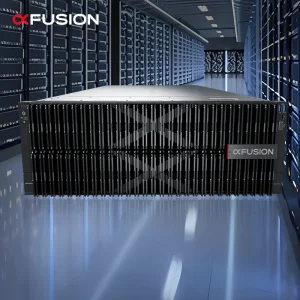
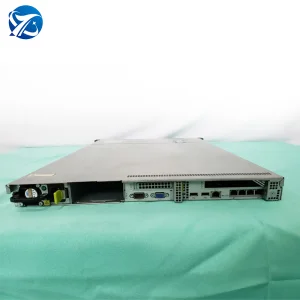
Optimized bare-metal hardware platforms built to execute virtualization, routing stack processing, and line-rate forwarding workloads
Uncoupling the Control Plane from Underlying Forwarding Hardware to Achieve Scale-Out Network Automation
The global enterprise networking space has reached a critical inflection point. Legacy, proprietary ASIC-locked networking hardware is no longer viable for handling the dynamic requirements of hyper-scale cloud applications, real-time telemetry processing, and massive GPU-based workloads. Software-Defined Networking (SDN) decouples the network control logic (control plane) from the underlying hardware interfaces (data plane). This architectural split enables network operators to programmatically control, provision, scale, and optimize their routing and switching fabric from a centralized pane of glass.
As organizations transition to high-density server configurations, SDN controllers require enterprise-class x86 hardware nodes to process routing graphs, compute path selections, and balance workloads in real-time. For modern SDN applications to perform efficiently, servers must integrate advanced network interfaces, high-capacity CPU pipelines, and highly reliable PCIe Gen 4/5 interconnectivity. BoltGrid Computing Systems addresses this critical bottleneck by engineering raw compute components optimized for SDN control loops, overlay network encapsulation (VXLAN/GENEVE), and network function virtualization (NFV).
Modern SDN abstracts packet forwarding rules down to programmable Flow Tables. Rather than relying on rigid hardware logic, our servers host soft-switches (like Open vSwitch) powered by DPDK (Data Plane Development Kit) and eBPF/XDP, allowing custom packet manipulation at line rate.
Deploying software-defined physical server infrastructure across edge nodes, AI facilities, and multi-tenant architectures
Enabling automated Virtual Private Cloud (VPC) overlays. Host hypervisors utilize SDN agents to dynamically update routing paths, encapsulate packet payloads via VXLAN protocols, and enforce software firewall policies without modifying physical cable plants.
SDN controllers orchestrate congestion control protocols (PFC/ECN) within leaf-spine structures, preventing packet loss during massive model weights transfers across distributed GPU clusters. This guarantees zero-loss ethernet environments optimized for Deepseek and Xeon operations.
By running software-defined WAN interfaces on centralized servers, enterprises optimize multi-branch connectivity. Edge servers route latency-sensitive workloads dynamically over MPLS, broadband, or LTE based on real-time link quality measurements.
Our structured evolution map leading towards AI autonomous networking, DPU-based hardware offloading, and quantum-safe control plane transport
Moving software packet encapsulation (VXLAN, GENEVE) from host CPUs to specialized Data Processing Units (DPUs). Freeing up precious Intel Xeon and AMD EPYC CPU cores to execute compute workloads while ensuring wire-speed packet processing.
Deploying machine-learning loops inside the SDN controllers. Systems will translate natural language or programmatic constraints (e.g., "optimize path latency under 5ms for GPU Nodes") into flow rules without human intervention.
Direct integration between SDN orchestration systems and optical transceivers. Allowing dynamic re-routing of fiber paths at the physical layer to optimize power efficiency and bandwidth capacity across cross-continental networks.
Why BoltGrid represents the pinnacle of hardware manufacturing scale, customization flexibility, and testing reliability
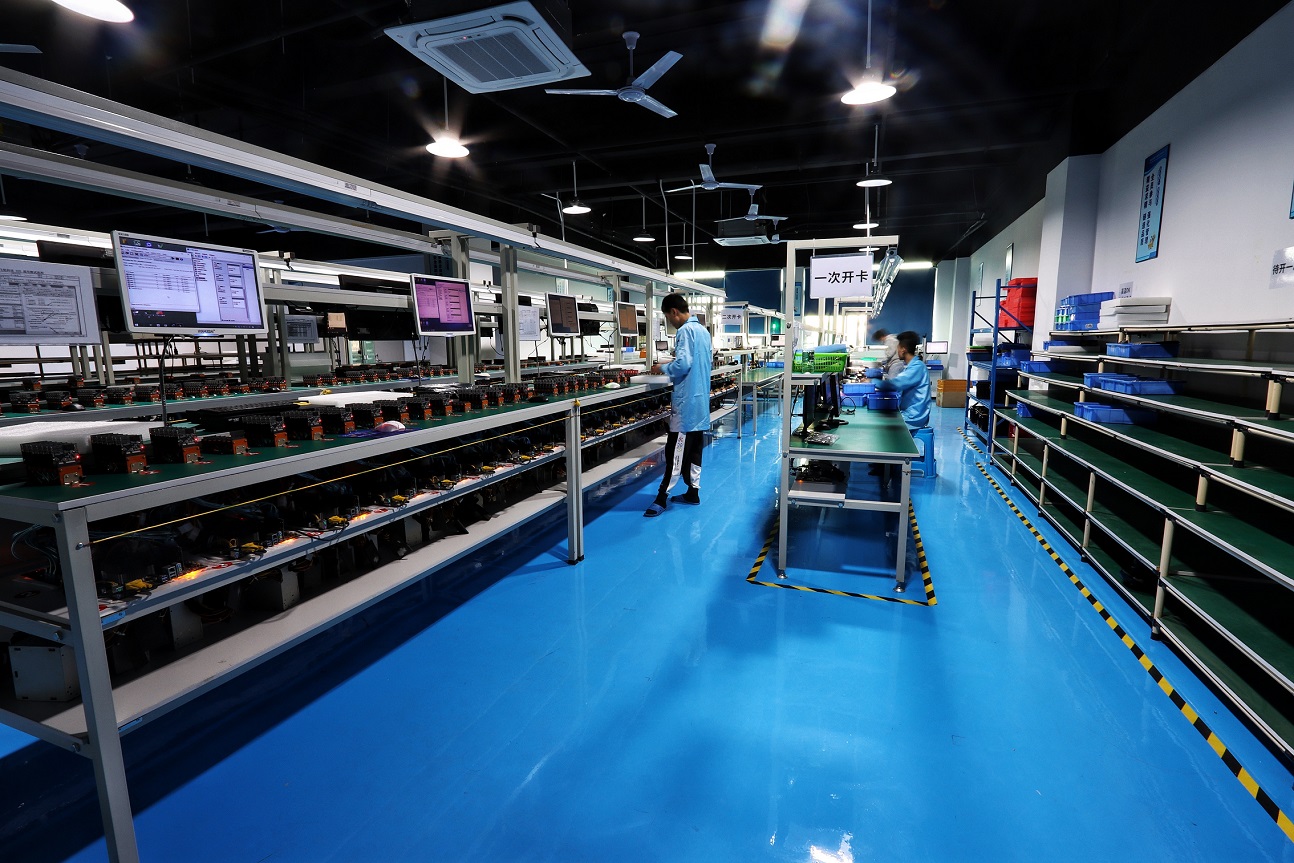
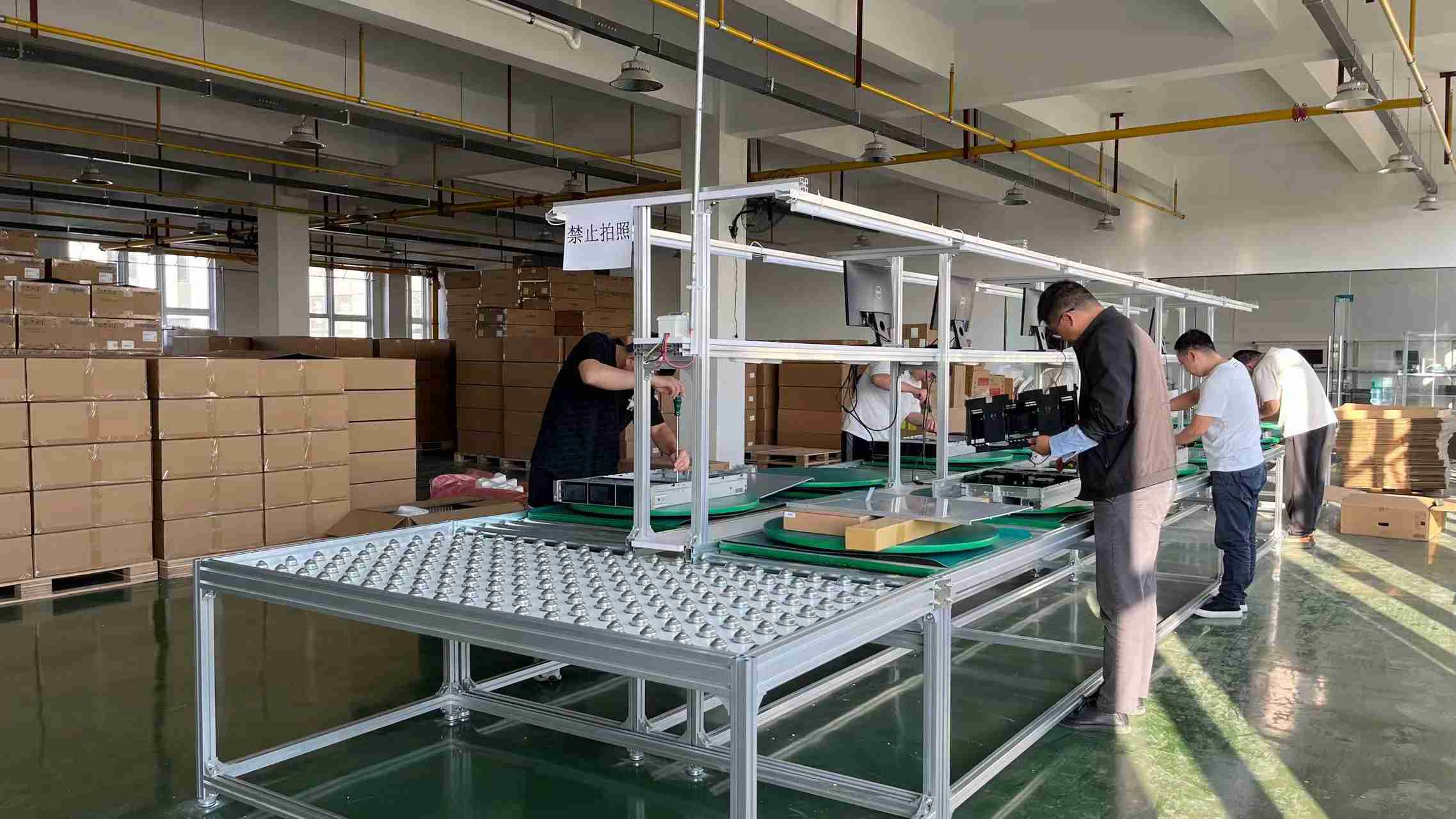
Operating a modern production facility covering approximately 18,500㎡ in the heart of China's advanced hardware development corridor, BoltGrid Computing Systems Co., Ltd. has established a robust pipeline for sourcing components, assembling node systems, and implementing stress testing cycles. Our strategic location enables close collaboration with over 850 strategic hardware partners, securing access to crucial inputs like PCIe brackets, high-wattage redundancy power supplies, custom server chassis, and active liquid cooling blocks.
With an annual export revenue exceeding USD 18 million and supported by a continuous 7-year track record of international trade (within a total 12-year industry footprint), we ensure our custom bare-metal servers interface smoothly with legacy networks and comply with international shipping regulations. Our engineering force consisting of approximately 120 specialized system architects allows us to custom-tune system integration, introducing around 85 new product configurations annually to suit ever-evolving virtualization demands.
Strict Quality Assurance Pipeline:
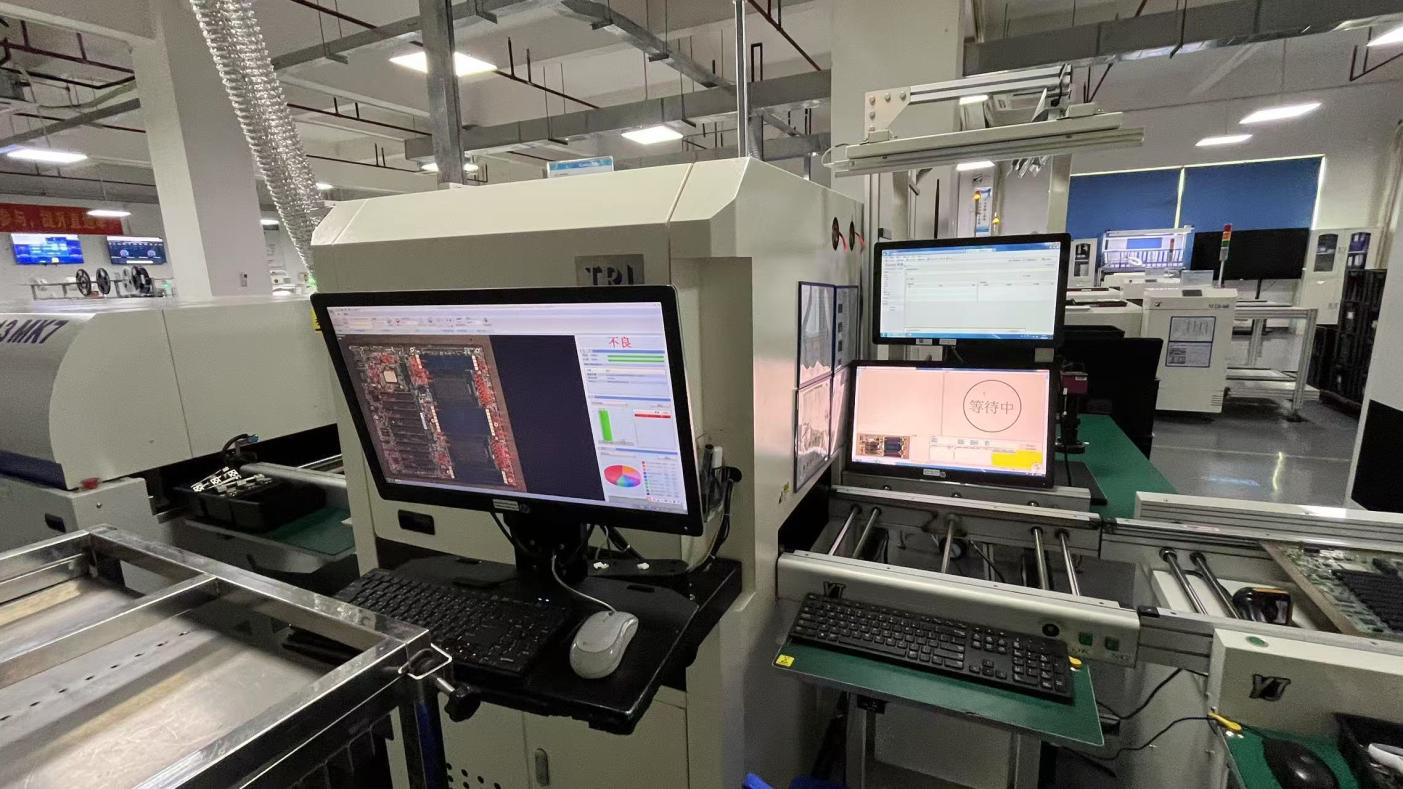
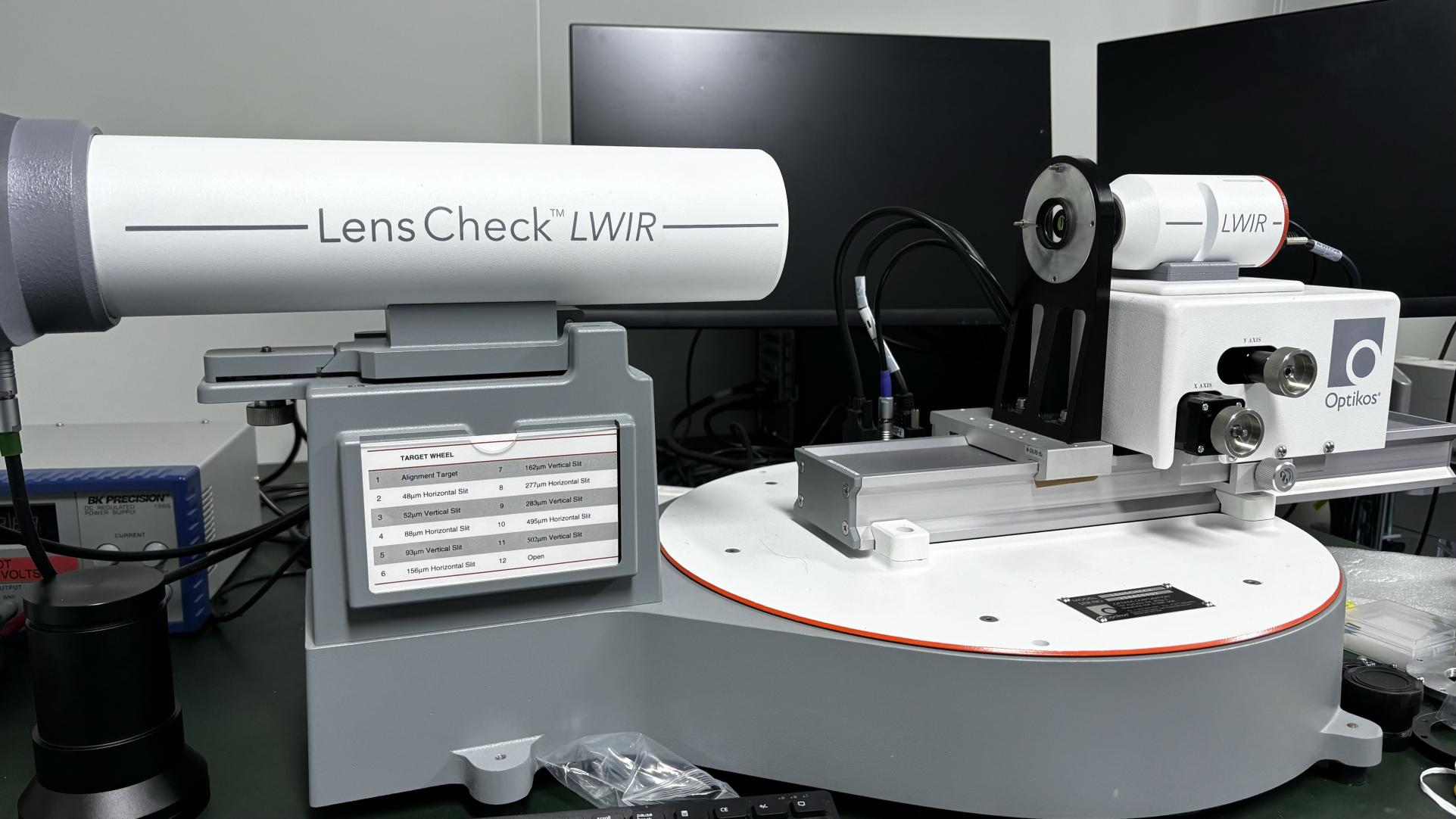
Our quality assurance department includes 45 certified inspectors overseeing every phase of assembly. Product testing is divided into distinct, rigorous stages:

Helping global enterprises deploy standardized, locally-compliant infrastructure with reliable support structures
All custom hardware nodes carry necessary international certifications (CE, FCC, RoHS, UL, and CCC) for immediate, risk-free deployment across key geographic zones in North America, Europe, Southeast Asia, and the Middle East.
We supply UEFI/BIOS firmware customization support including secure boot configurations, TPM 2.0 module provisioning, and hardware-level root-of-trust verification. This locks down bare-metal servers against system-level intrusion.
Backed by our 7 years of international trade operations, BoltGrid guarantees round-the-clock remote troubleshooting support. For major data center rollouts, onsite deployment consulting is available via overseas system partners.
Get granular answers to complex questions regarding hardware optimization, SDN architectures, and supplier processes
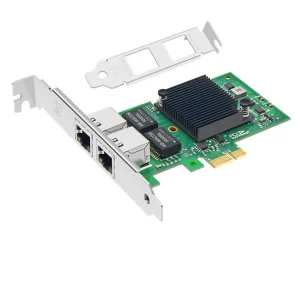
Our servers are designed with optimal PCIe Gen 4/5 bus topologies to handle heavy throughput without bottlenecks. By pairing Intel Xeon processors with high-performance SmartNICs (featuring SR-IOV and DPDK drivers), the system passes network packets directly to virtualized spaces (like OVS virtual switches), completely bypassing standard OS kernels and reducing processing times from microseconds to nanoseconds.
Yes. Because our servers utilize standard x86 architectures with support for RedHat, CentOS, Ubuntu Server, and Rocky Linux, they can host any Java- or Python-based SDN controller framework. The underlying PCIe layout and massive memory support ensure multi-threaded processes compute network topologies rapidly.
We employ a team of 45 QA inspectors operating under an ISO-certified framework. Every system undergoes component-level verification, automatic optical inspections (AOI), thermal analysis within our 18,500㎡ facility, and a minimum 72-hour full-system burn-in test at peak load prior to palletizing and shipping.
Through our 120-member R&D team, we support wide-ranging configurations including custom rack brackets, custom chassis depth, GPU scaling (designed for deep learning workloads), customized cooling setups (including active liquid cooling for high TDP CPUs), and branding/OEM integration on server bezels and BIOS startup logos.
BoltGrid manages a network of over 850 strategic component suppliers. This deep pool allows us to buffer inventory during shortages, ensuring steady access to crucial silicon, circuit boards, and connectors without delaying scheduled bulk shipments.
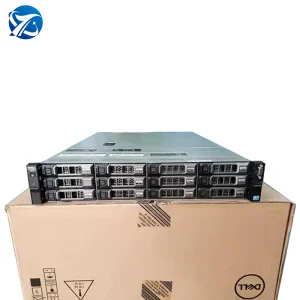
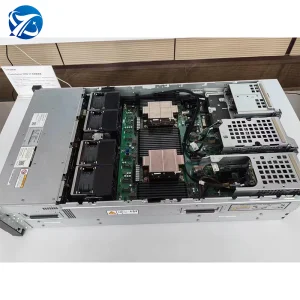
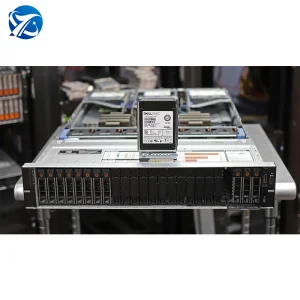
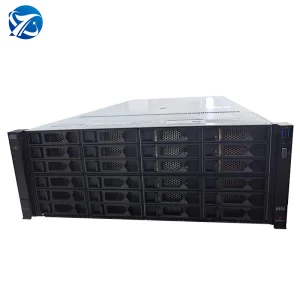
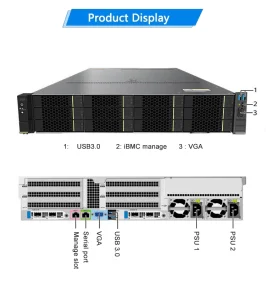
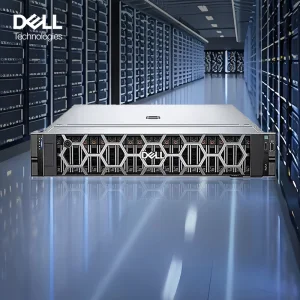
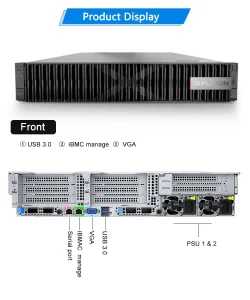
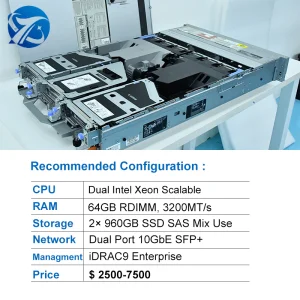
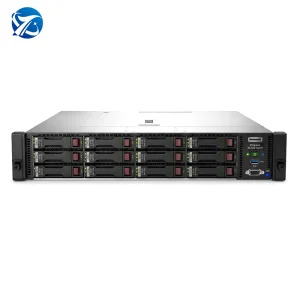
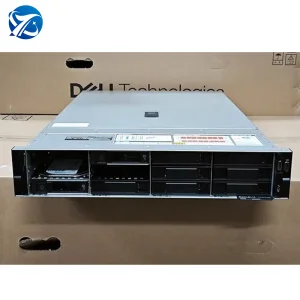
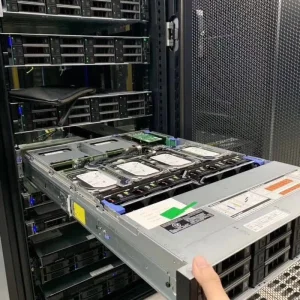
Enterprise network nodes, GPU systems, and storage array controllers engineered for immediate deployment