BoltGrid
BoltGrid
BoltGrid
Explore our high-performance hardware rack systems, RAID controllers, and computing nodes engineered for demanding threat intelligence and intensive AI model inference applications.

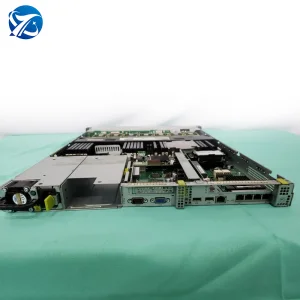
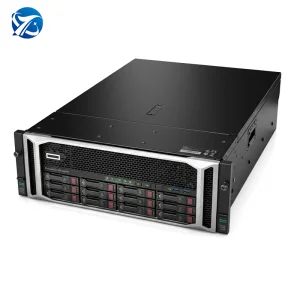
How digital transformation, high-throughput cloud networks, and zero-trust policies are reshaping global hardware procurement parameters.
As standard enterprise network traffic surpasses 95% TLS 1.3 encryption, the processing overhead required to perform deep packet inspection (DPI) has grown exponentially. Standard CPUs struggle to inspect high-speed traffic without introducing severe latency. Consequently, contemporary network security equipment must feature advanced coprocessor offloading capabilities, utilizing ASIC, DPU (Data Processing Unit), or high-performance GPU architectures.
Our collaborative infrastructure integration strategy incorporates hardware components capable of offloading intensive crypto-processing, such as advanced PCIe Gen4/Gen5 RAID controller arrays, cryptographic accelerator modules, and flexible riser expansion slots to support dedicated network processor configurations.
From an architectural standpoint, securing these nodes requires hardware-level root-of-trust (RoT), secure boot mechanisms, and physical chassis intrusion detection. We address these requirements by providing highly reliable, resilient computing bases engineered to serve as the physical backbone for Firewalls, intrusion prevention systems, and dedicated SDN gateway setups.
A look at BoltGrid's engineering capabilities, production facilities, and global trade partnerships driving high-performance security node production.
BoltGrid Computing Systems Co., Ltd. is a leading manufacturer specializing in high-performance computing infrastructure, GPU cluster systems, and AI data center hardware solutions. Since our founding in 2016, we have specialized in the design, engineering, and global supply of computing hardware that serves as the foundation for modern enterprise infrastructure, including high-throughput network security routing matrices, AI-driven threat classification servers, and robust cloud hosting appliances.
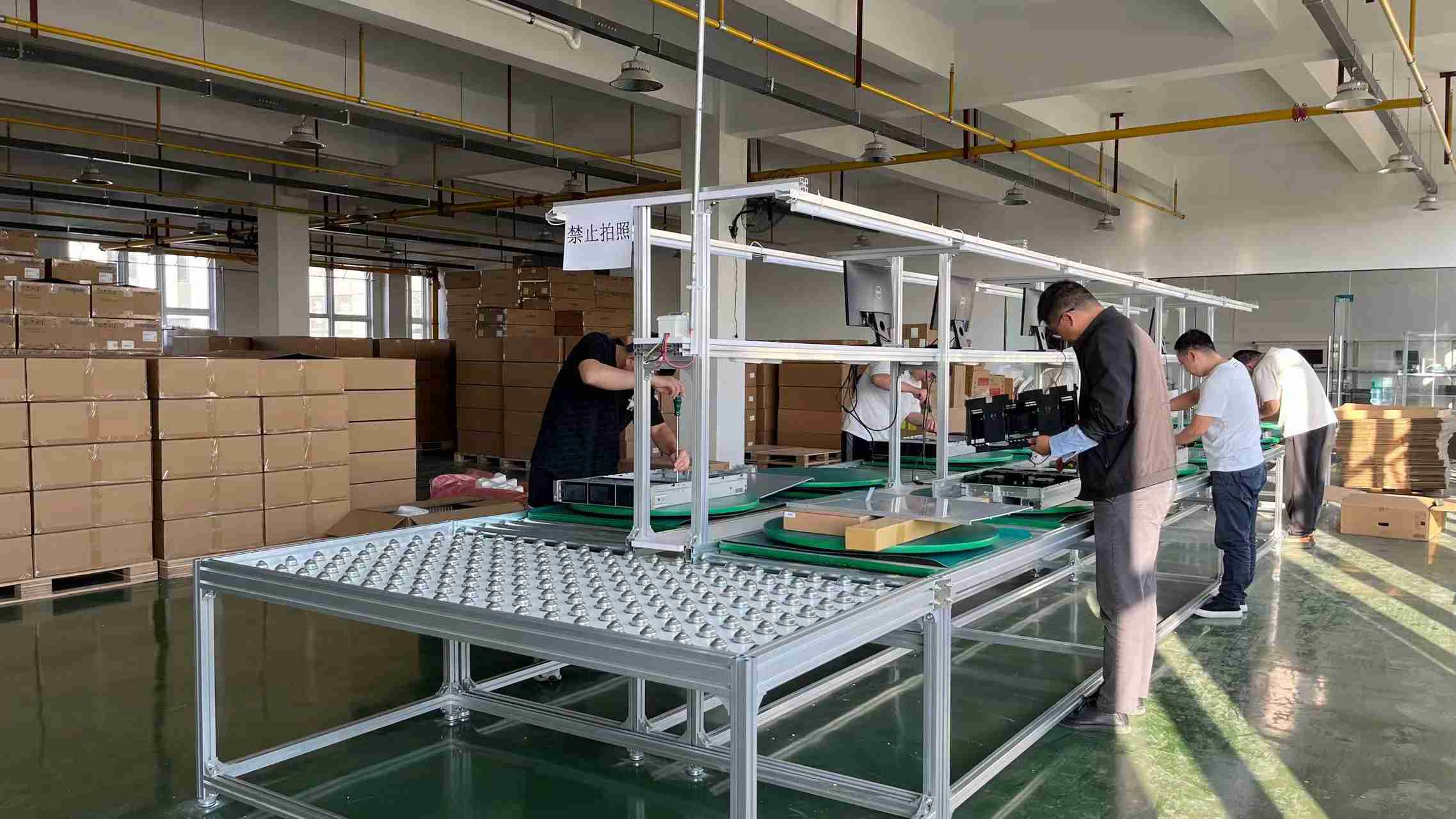
Our state-of-the-art production facility, covering approximately 18,500 square meters, supports large-scale system integration, automated assembly lines, and rigorous stress testing. With an annual export revenue reaching USD 18 million, BoltGrid has developed a reliable global trade network over the last 7 years. Our team serves critical enterprise accounts, data center operators, and network infrastructure integrators throughout North America, Europe, Southeast Asia, and the Middle East.
Innovation in modern networking and processing speeds requires a deep commitment to R&D. BoltGrid employs roughly 120 dedicated engineers focused on optimizing GPU architectures, system-level component integration, thermal efficiency, and high-frequency data path engineering. Producing roughly 85 new products annually, our design teams offer comprehensive customization options to meet our clients' specific hardware layout requirements, including custom storage controllers, scaling memory profiles, active/passive cooling systems, and specialized chassis form factors.
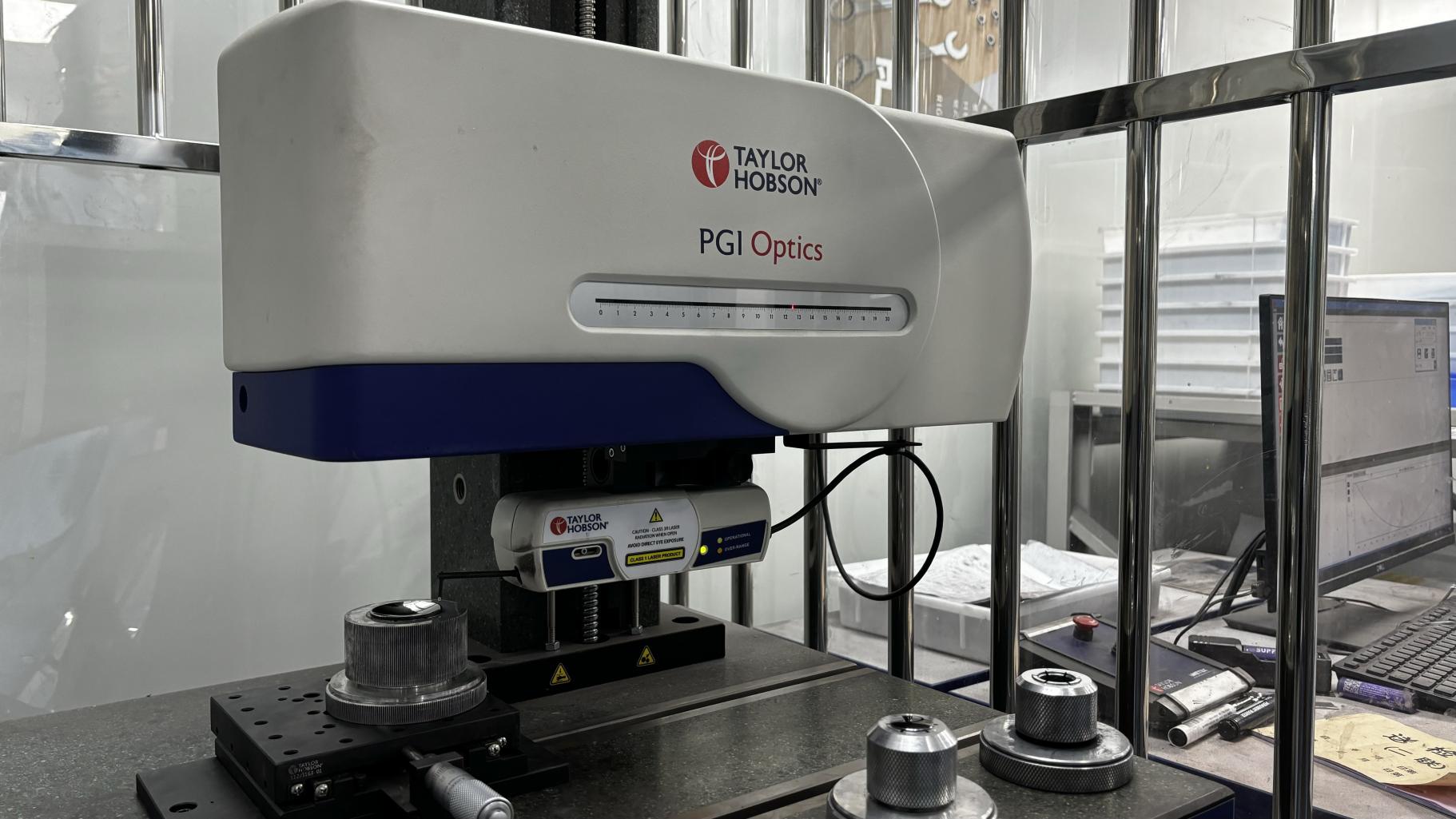
Operating a reliable network security gateway means there is no room for hardware failure. Our dedicated team of 45 QA inspectors executes a multi-layered quality control framework. Each computing system undergoes:

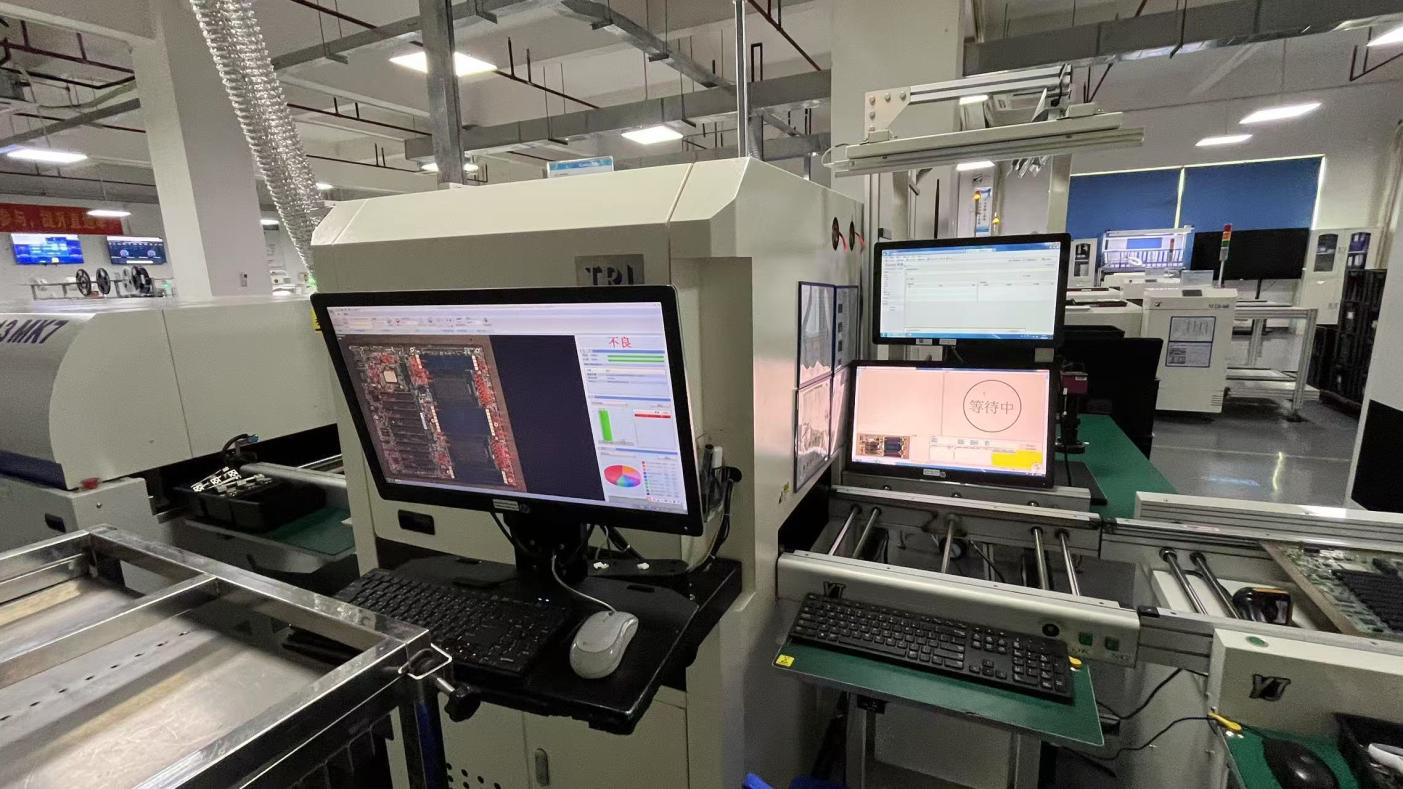

The progression of hardware processing speeds, zero-latency caching, and hardware integration matrices for next-generation network protection nodes.
Modern network architectures demand a convergence of high-capacity storage, extreme processing throughput, and secure data routing. Traditional configurations separating threat analysis from basic packet forwarding are no longer sufficient. Below is an engineering overview of our design priorities for hardware integration in security environments.
| Architecture Phase | Primary Hardware Driver | Network Layer Target | Throughput Capacities | Security Profile |
|---|---|---|---|---|
| Gen 1: Traditional CPU Bound | General Multi-Core CPUs | Layer 3 / Layer 4 Filtering | 1 Gbps - 10 Gbps | Basic Firewall ACLs & NAT |
| Gen 2: ASIC & Hardware Offload | Dedicated Crypto-ASIC Card | Layer 4 / Layer 7 (SSL Decryption) | 10 Gbps - 40 Gbps | Deep Packet Inspection, VPN Termination |
| Gen 3: Intelligent SmartNIC & DPU | SmartNICs + Dual Socket Xeon Architecture | Zero-Trust Virtualized Fabric | 40 Gbps - 100 Gbps | Kernel Bypass Packet Capture, IPsec Offloading |
| Gen 4: AI-Powered Edge Node | High-Performance AI GPU Clusters + PCIe Gen5 SAS RAID | Predictive Threat Mitigation & Decryption | 100 Gbps - 400 Gbps+ | Real-Time AI Pattern Inference, HSM Enclaves |
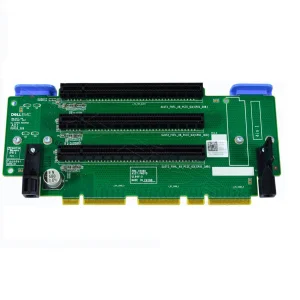
By using modular motherboard layouts, flexible PCI-Express riser kits (such as the R740 R740XD Riser configurations), and high-frequency power deliveries, we allow system designers to add auxiliary processing units directly to standard rack servers. This modular approach protects your infrastructure investment, allowing for field upgrades to smart network cards (SmartNICs) or AI coprocessors as data demands increase.
Ensuring that global procurement channels adhere to international standards and hardware integrity certifications.
Modern procurement goes beyond standard performance specifications. Enterprises require verified proof of hardware integrity. BoltGrid incorporates hardware security modules, TPM 2.0 chips, and secure firmware signing, enabling system integrators to configure zero-trust environments from the hardware level up. By maintaining clear production control across our 18,500㎡ facility, we help mitigate supply chain injection risks and provide reliable, traceable hardware platforms.
Critical hardware engineering and supply chain insights for global procurement officers and system integrators.
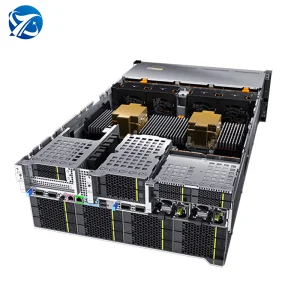
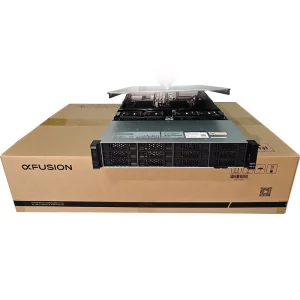
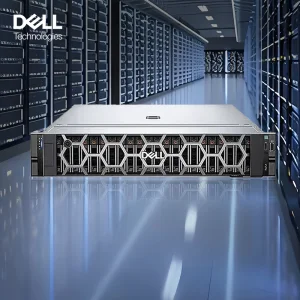
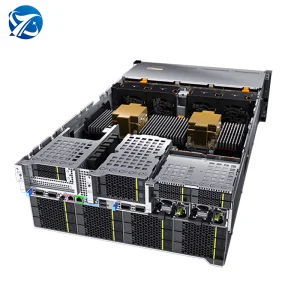
Our complete range of high-throughput AI GPU systems and dual-socket rack mounts, configured for stable deployment in global data centers.