BoltGrid
BoltGrid
BoltGrid
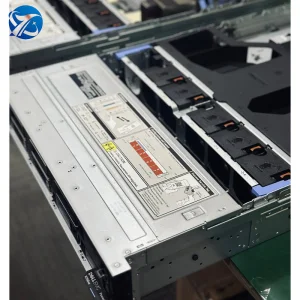
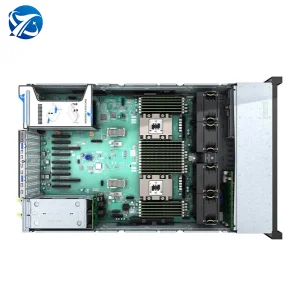
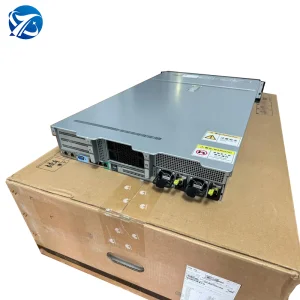
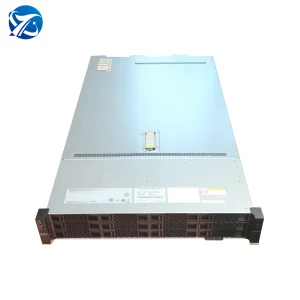
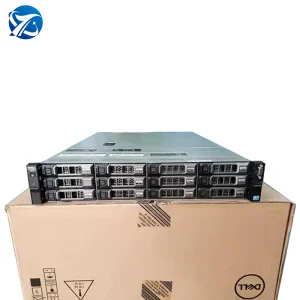
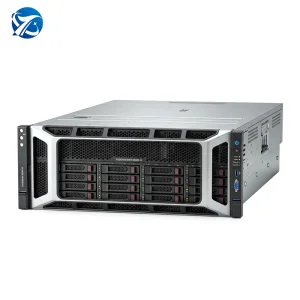
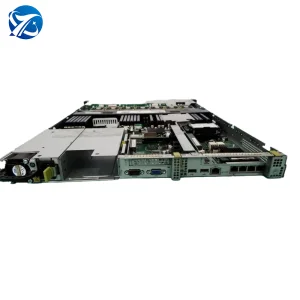
These industrial-grade processing nodes and dedicated RAM modules power high-security VPN aggregation systems, hardware HSM modules, and deep packet inspection firewalls.
As a recognized hardware manufacturer, BoltGrid Computing Systems Co., Ltd. delivers the high-availability core server nodes, compute accelerators, and robust array architectures required for modern CE-certified hardware VPN solutions.
BoltGrid Computing Systems Co., Ltd. stands as a premier enterprise hardware developer, specializing in high-performance network security foundations, GPU cluster systems, and optimized hardware gateways. Established in 2016, our engineering teams build scalable configurations designed to house mission-critical VPN networks, data pipelines, and threat analysis engines for world-class organizations.
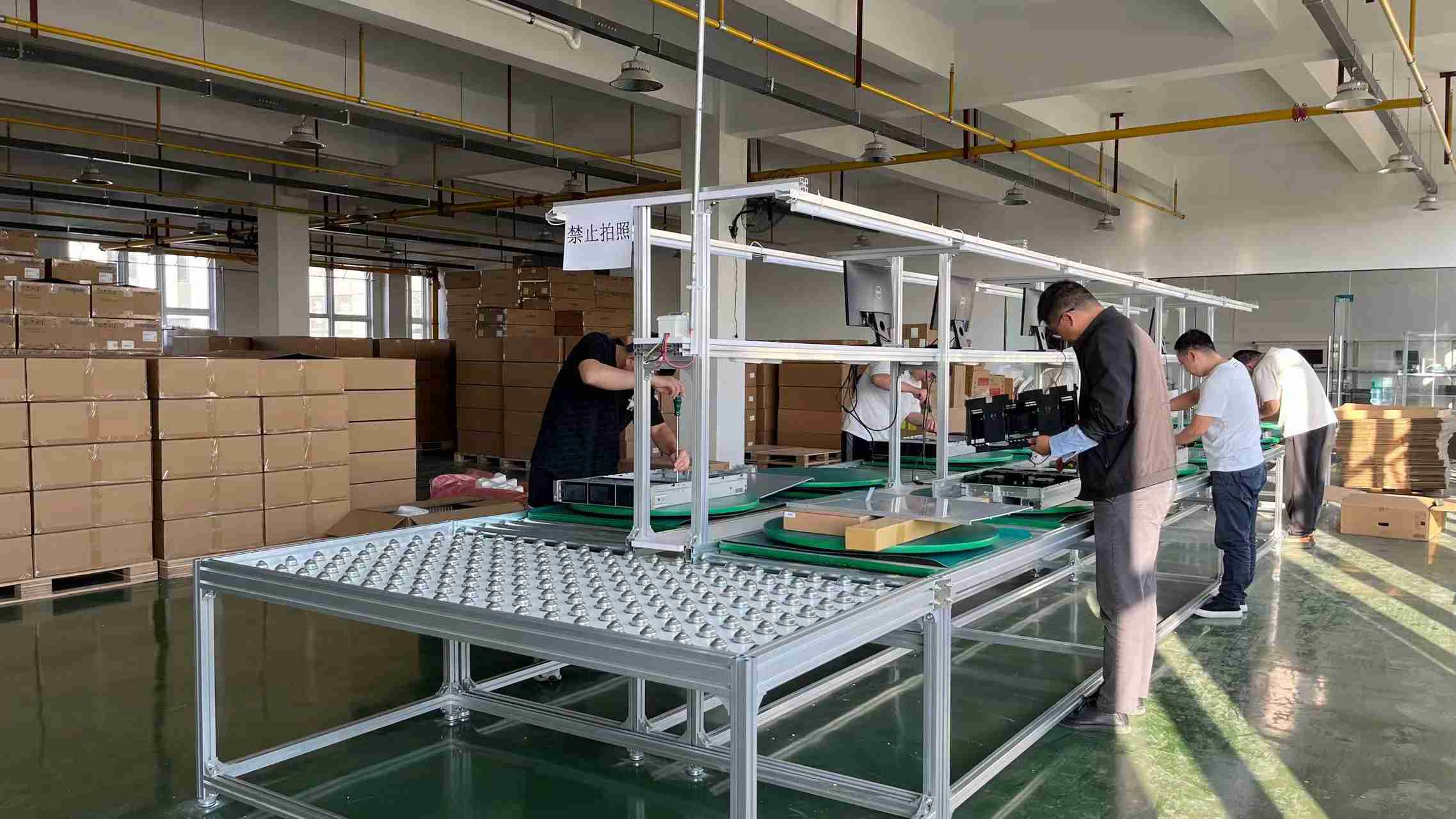
Operating a modernized, standardized production facility spanning 18,500 square meters, BoltGrid facilitates end-to-end component integration, thermal configuration, and quality engineering. With over seven years of complex international trade history and annual export revenues reaching USD 18 million, BoltGrid has developed a reliable supply ecosystem catering to markets across Europe, North America, the Middle East, and Southeast Asia.
For industrial enterprise deployment, hardware-based VPN solutions must maintain certified stability, reliable electromagnetic isolation, and failsafe performance under sustained cryptographic load.
Undergoing extensive testing for CE marking requires strict compliance with electromagnetic compatibility (EMC Directive 2014/30/EU) and Low Voltage Directive (LVD 2014/35/EU). This guarantees zero signal noise in nearby mission-critical data center racks.
Hardware VPNs process encryption keys via dedicated cryptographic processors. By utilizing high-throughput CPUs, our platform setups sustain AES-GCM and ChaCha20-Poly1305 tunnels without packet loss.
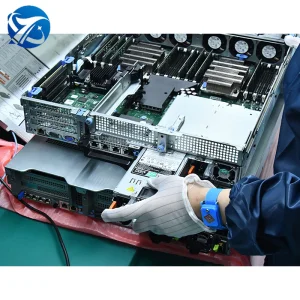
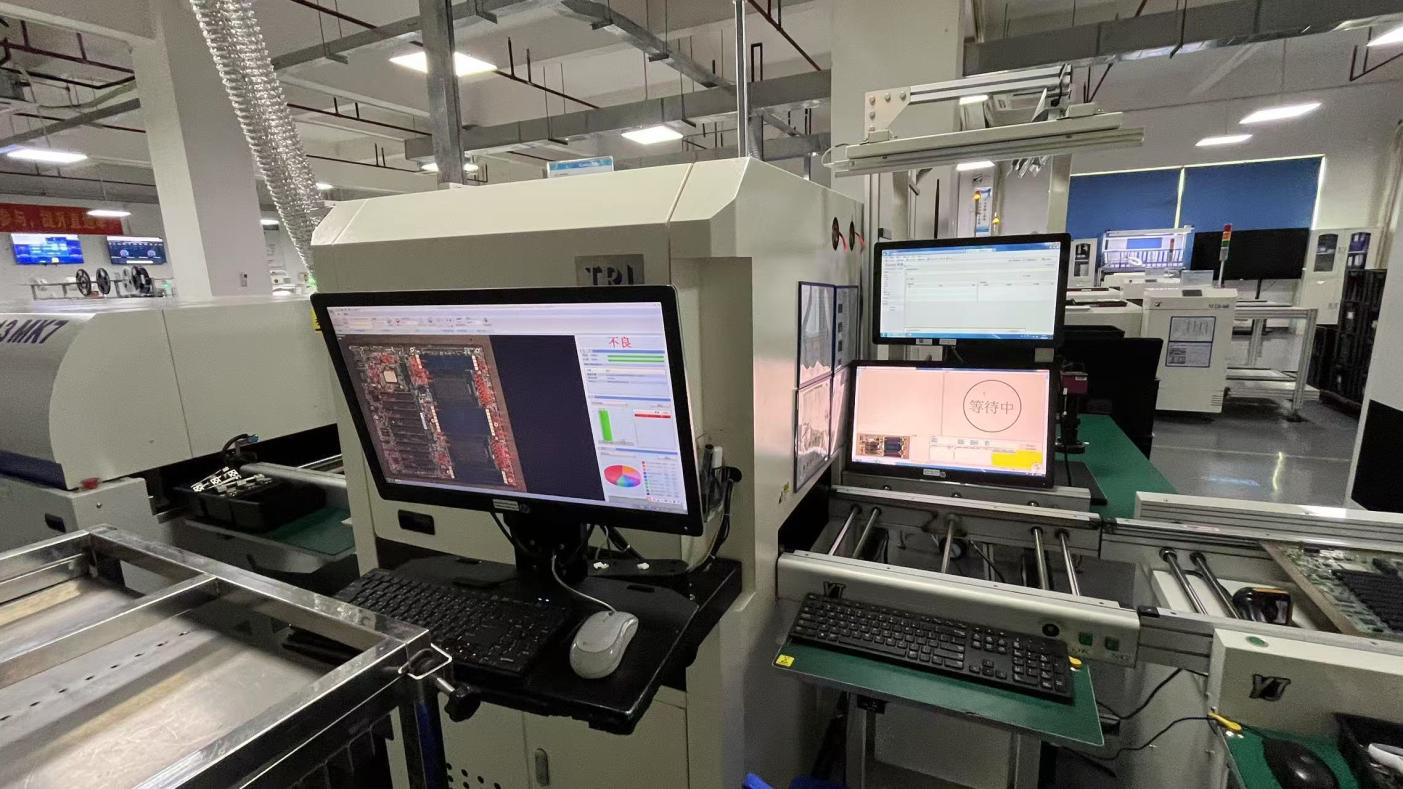
With a dedicated team of 45 QA inspectors, every server and encryption appliance undergoes rigorous thermal cycle analysis, stress-load simulations, and dynamic burn-in testing prior to shipment.
Explore how global systems integrators rely on high-performance VPN hardware nodes to secure communication across remote environments, municipal grids, and data centers.
Critical infrastructure projects require military-grade, low-latency encryption nodes to transmit telemetry data securely. BoltGrid's server architectures support multiple network configurations, including high-availability dual-chassis failover setups, to ensure the uninterrupted flow of automated telemetry from remote terminals to central operation databases.
As enterprises shift from classic MPLS models to flexible SD-WAN networks, data center hubs require server infrastructure optimized for heavy crypto load. The integration of high-performance components, high-density server configurations, and robust ECC memory allows for the maintenance of thousands of concurrent tunnels, avoiding system bottlenecks and ensuring high throughput.
Modern VPN gateways do more than simple encryption; they analyze packet flows for anomalies. By deploying high-throughput network server nodes combined with specialized AI GPU hardware, operators can combine traffic management, localized encryption, and real-time deep learning analytics within a single physical footprint.
Operational Technology (OT) demands robust, long-lifespan components. The hardware must survive variable temperatures, micro-vibrations, and fluctuations in power delivery. BoltGrid's engineering workflow tests every system configuration to survive tough environmental demands while maintaining compliance with CE regulations.
Deep technical blueprints that make our hardware optimized for high-security network virtualization, encryption acceleration, and scalable security architectures.
Security infrastructure is undergoing significant updates. Learn how next-generation technologies shape the hardware configurations of the future.
As quantum computing edges closer to reality, traditional asymmetric keys face obsolescence. Future hardware architectures must support post-quantum cryptography algorithms. Processing these algorithms requires a massive memory buffer and low-latency instruction sets. Our research and development efforts focus on preparing current server nodes for future firmware updates supporting NIST-selected post-quantum standards.
Traditional boundary-based VPN models are transforming into Zero Trust Network Access (ZTNA). In practice, this means continuous client validation, context-aware security policies, and micro-segmentation. ZTNA demands significant CPU overhead for processing real-time telemetry. BoltGrid's scalable computing solutions deliver the performance overhead needed to run local trust engines alongside traditional encrypted tunnels.
By combining high-performance network routing hardware with deep learning GPU components, security systems can run inline detection models. These systems inspect packets in real time, detecting anomalies, exfiltration attempts, and unauthorized protocols, maintaining a secure enterprise perimeter.
Find detailed answers to questions regarding performance characteristics, CE compliance testing, customization options, and hardware integration.
A look inside our 18,500m² manufacturing facility, hardware testing chambers, and global assembly lines.



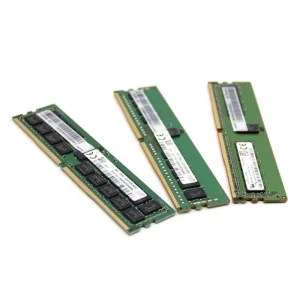
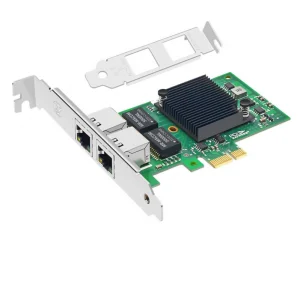
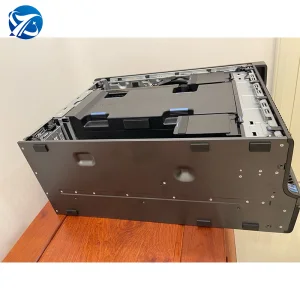
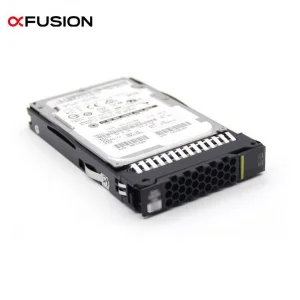
These component-level devices build high-availability and security redundancy into server platforms, optimized for hardware-based VPN systems.