BoltGrid
BoltGrid
BoltGrid
Carrier-Grade Hardware Engineered for Telecom Core Networks and Edge Deployments
Modern telecommunication networks are undergoing a generational shift. No longer limited to basic voice and broadband transit, contemporary carrier-grade infrastructure demands high-performance computing (HPC) nodes to process high volumes of network traffic, edge AI, and Software Defined Networking (SDN) protocols. Global telecom systems require specialized hardware that guarantees absolute reliability under 24/7 runtimes.
For B2B procurement managers and systems architects operating in the European Economic Area (EEA) and global markets, CE Certification is not a mere formality—it is a critical baseline. The Radio Equipment Directive (RED) 2014/53/EU, Electromagnetic Compatibility (EMC) Directive, and Low Voltage Directive (LVD) ensure that the telecom servers, optical switches, and transmission modules integrated into the grid operate safely without generating harmful interference.
By coordinating with certified manufacturers like BoltGrid, global operators secure a dependable pipeline of server configurations, data storage media, and high-frequency network elements. These hardware systems form the bedrock of AI-accelerated telecom architectures, enabling low-latency packet switching, high-performance network orchestration, and real-time deep learning analytics at the subscriber interface.
Our solutions conform to Harmonized Standards under CE requirements, covering LVD (EN 62368-1), EMC (EN 55032/EN 55035), and RED standards to assure seamless integration with European public networks.
Combining enterprise-grade CPU racks with hardware acceleration arrays to support virtualized Network Functions (NFV) and dense subscriber computing.
Decentralized Compute Nodes, Open-RAN Implementations, and AI Edge Orchestration
Integrating Deep Learning nodes near base stations allows for real-time channel estimation, predictive signal routing, and instantaneous regional bandwidth balancing.
Decoupling software applications from proprietary base station hardware. Universal, CE-certified x86 & GPU servers serve as standard deployment platforms.
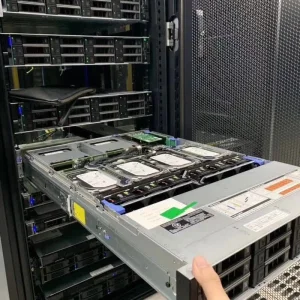
High-density multi-socket servers require liquid-to-air systems, hybrid heatsinks, and smart fan speed curves to avoid thermal throttling under heavy network spikes.
How Operators Leverage CE-Certified Telecom Servers and Edge Computing Solutions Globally
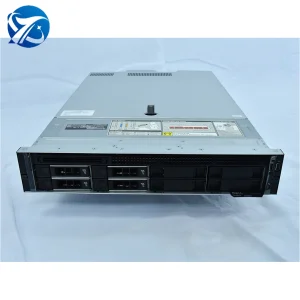
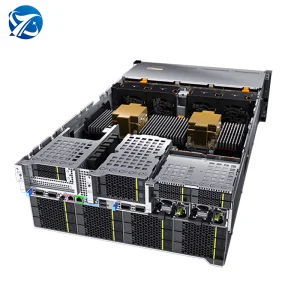
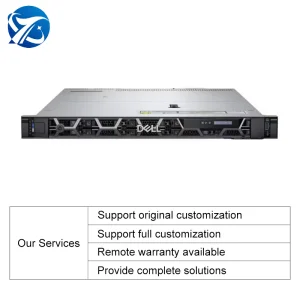
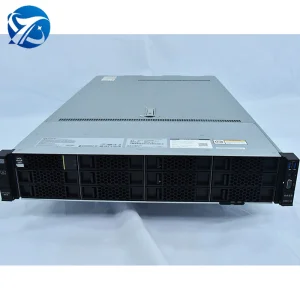
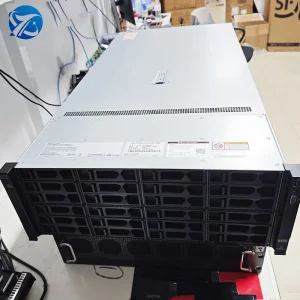
In modern metropolitan systems, tens of thousands of IoT sensors feed data continuously to localized hubs. By leveraging systems like the G5200 V5 GPU Server and 1U/2U rack servers, city network architects can run AI-driven inference workflows at the perimeter. This enables rapid traffic control loops, public safety analytics, and automated environmental monitoring without overloading core fiber optic pipes.
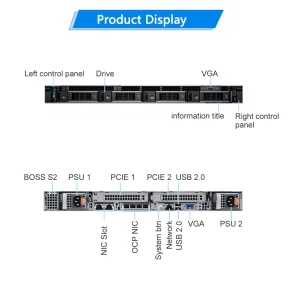
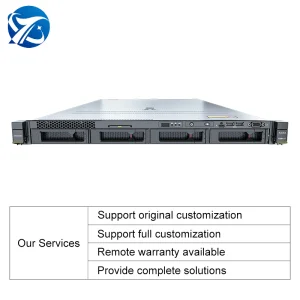
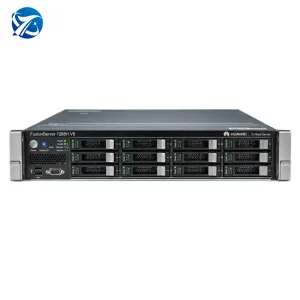
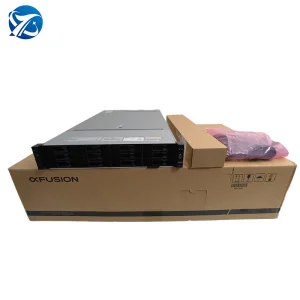
Telecom carriers require virtualization layers that partition hardware resources dynamically. The deployment of high-density x86 servers like the FusionServer 1288H V7 and enterprise-grade storage options guarantees that service level agreements (SLAs) for enterprise network slicing are met, providing robust performance and high system reliability.
Manufacturing plants, mining complexes, and offshore logistics centers deploy private 5G grids to manage autonomous machinery and drone fleets. Using CE-compliant servers in on-premise micro data centers keeps high-bandwidth data secure locally, bypassing public internet routing, minimizing transit costs, and reducing latency down to sub-millisecond ranges.
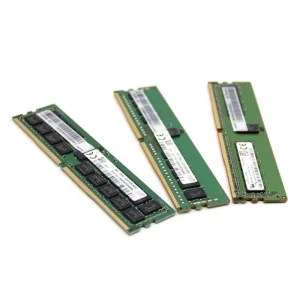
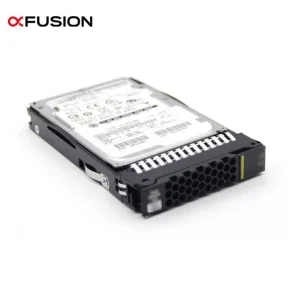
Media Delivery Networks (CDNs) deploy caching servers deep within ISPs. Equipped with enterprise SAS hard drives and high-frequency memory modules, these units handle high-volume visual streams, localizing regional video-on-demand playback and interactive real-time communications.
BoltGrid Computing Systems Co., Ltd. is a professional AI GPU server manufacturer specializing in high-performance computing infrastructure, GPU cluster systems, and AI data center solutions. Established in 2016, the company has developed strong capabilities in design, manufacturing, and global supply of advanced computing hardware.
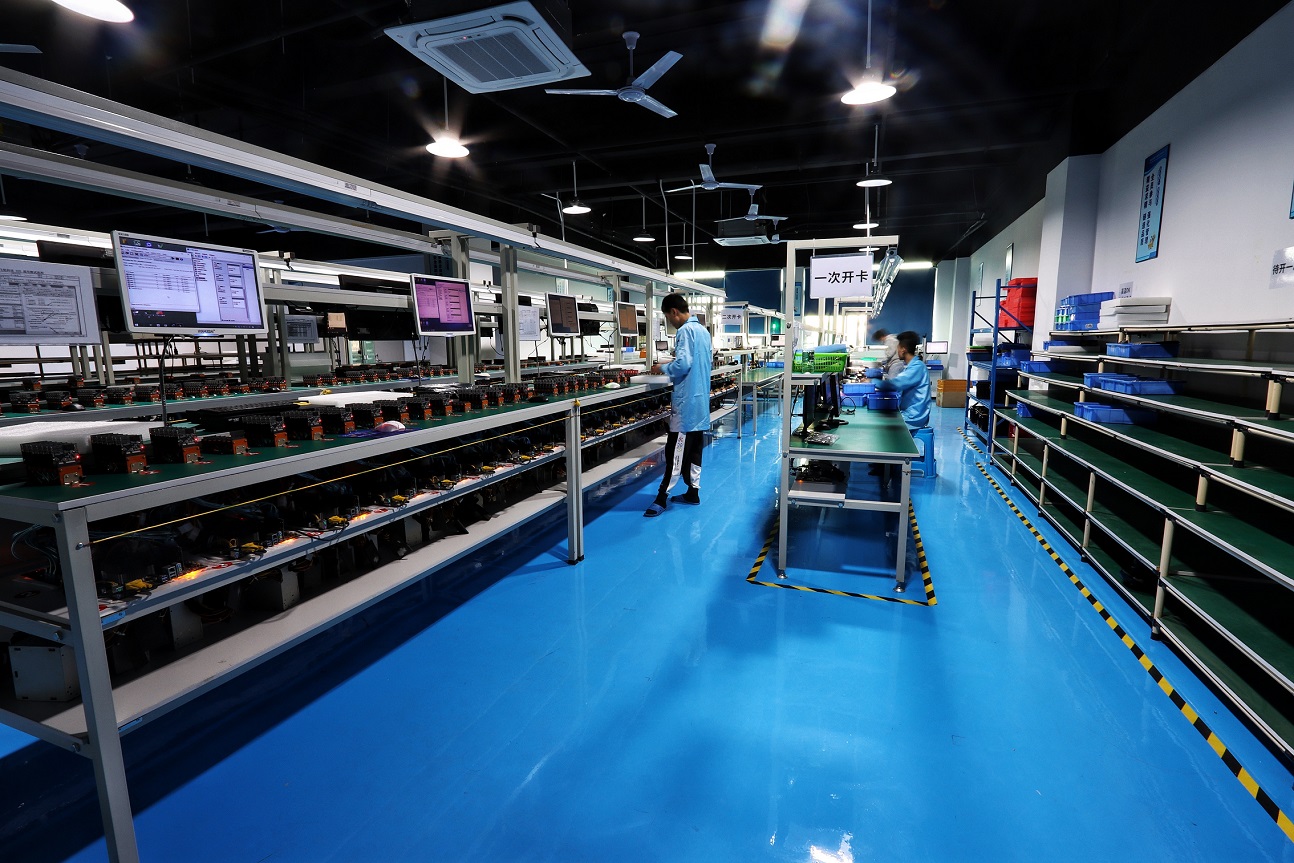
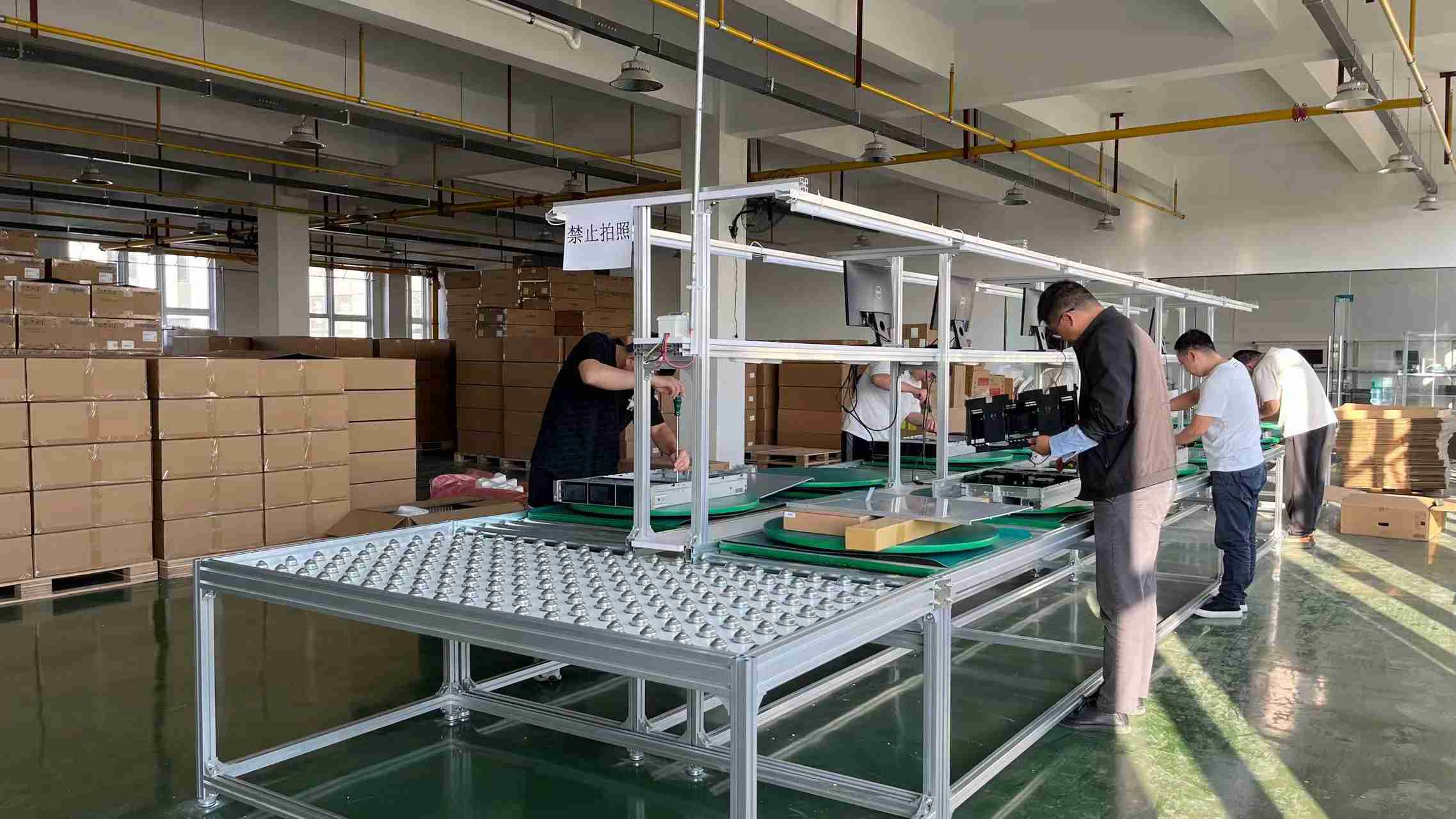
The company operates a modern production facility covering approximately 18,500㎡, supporting large-scale assembly, testing, and system integration for AI server products. With annual export revenue reaching around USD 18 million, BoltGrid has built stable international trade experience over 7 years, serving customers across North America, Europe, Southeast Asia, and the Middle East.
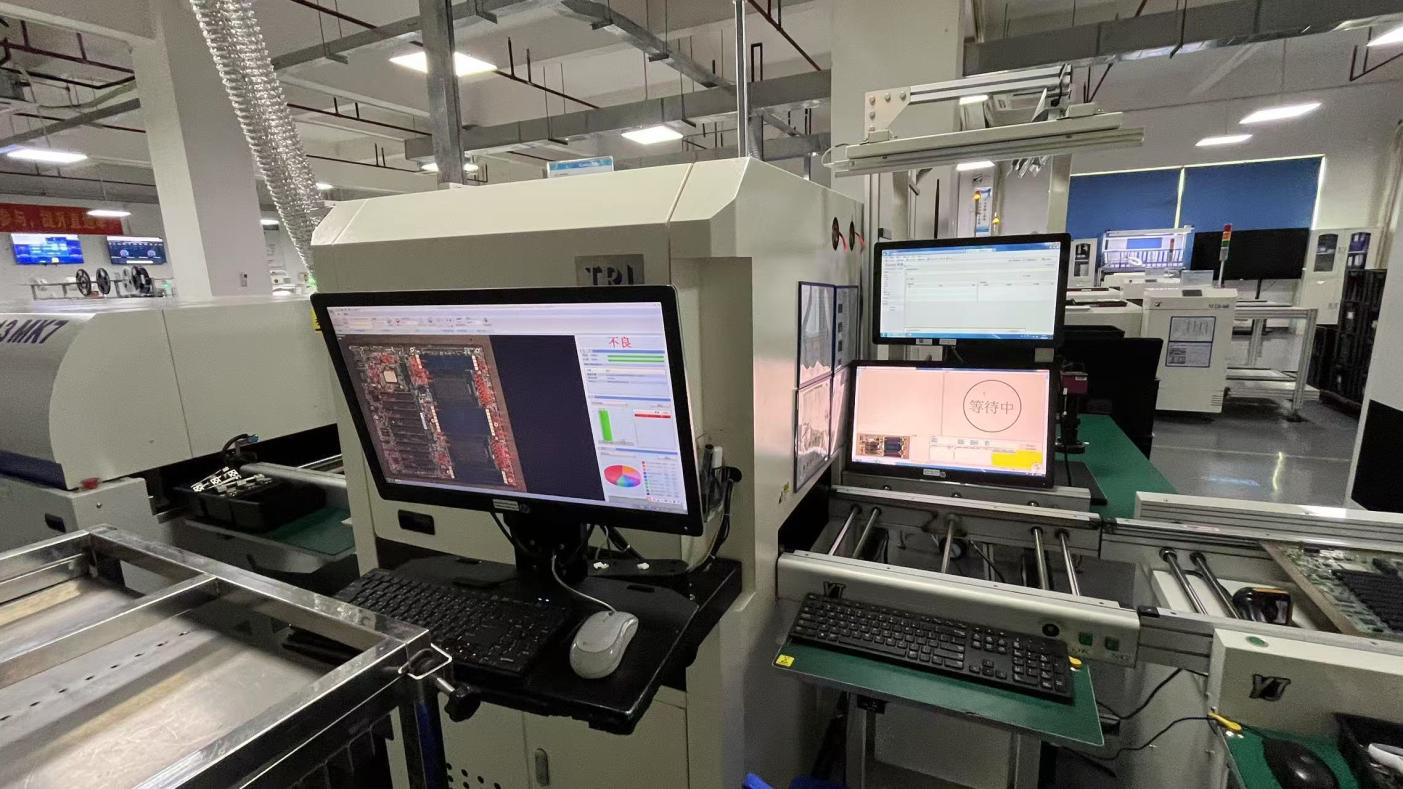
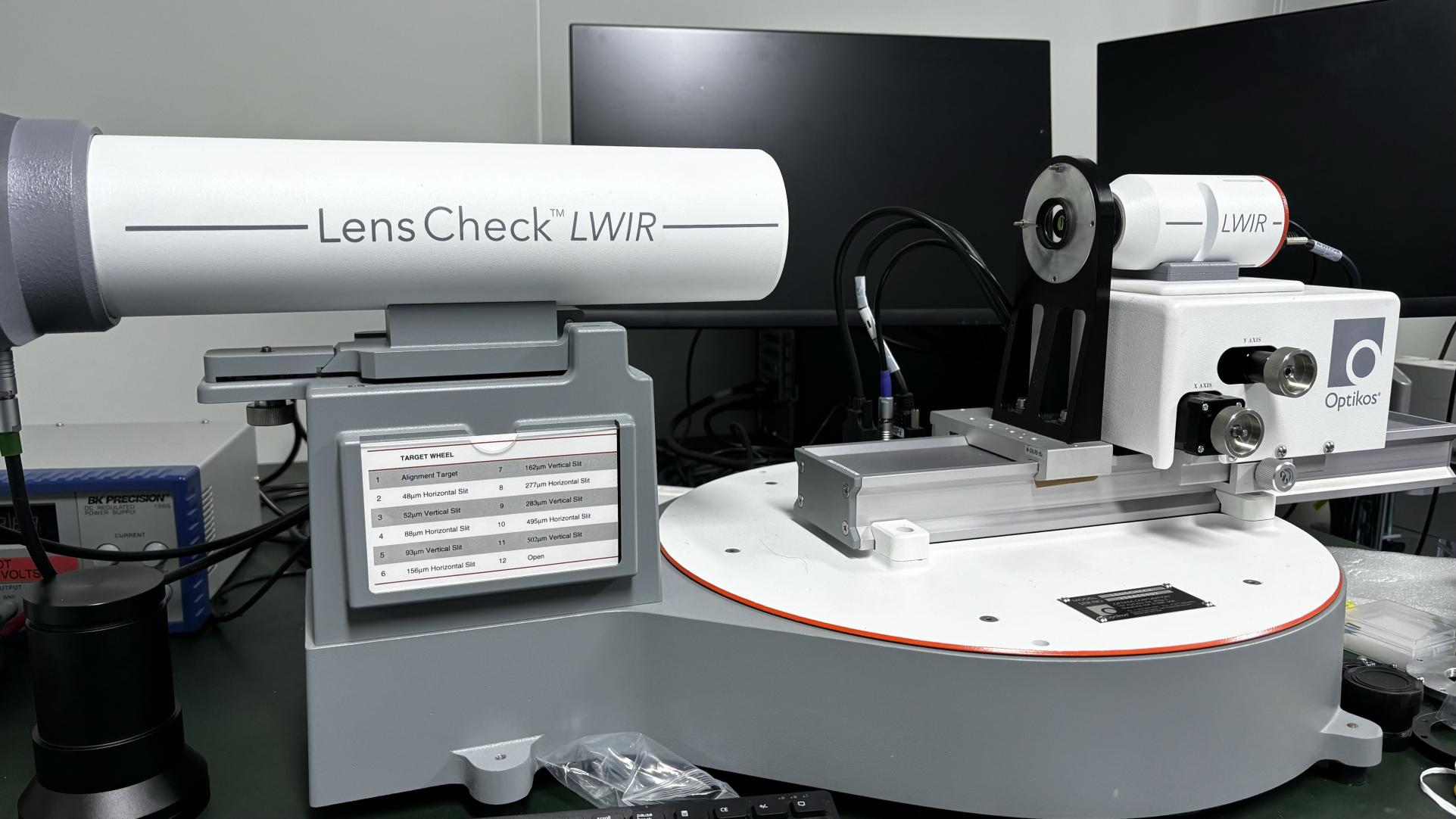
BoltGrid maintains a total industry experience of 12 years, supported by a professional quality assurance team of 45 inspectors. The company implements multiple product inspection methods, including thermal performance testing, stress load simulation, and full-system burn-in testing to ensure stability and reliability under high workloads.
The supply chain ecosystem includes over 850 strategic partners, enabling efficient sourcing of high-quality components such as GPUs, server chassis, power systems, and cooling solutions. The company serves a wide range of clients, including AI cloud service providers, data center operators, research institutions, and enterprise-level IT infrastructure integrators.
With strong R&D capabilities, BoltGrid employs approximately 120 engineers focused on GPU architecture optimization, AI workload acceleration, and system-level integration. The company launches around 85 new products annually and supports extensive customization options, including GPU configuration, memory scaling, cooling systems, and server form factor adjustments.
BoltGrid combines engineering innovation with strict quality control to deliver reliable, scalable, and high-performance AI GPU server solutions for global computing demands.

End-to-End Enterprise Layout Designs and System Architectures
Designed for ultra-low latency B2B service delivery, localizing traffic filtering and real-time processing directly at the base nodes:
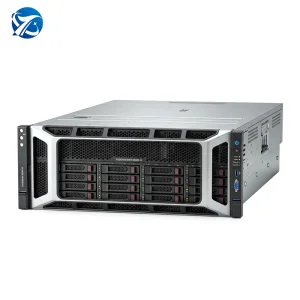
Engineered for massive, high-throughput centralized datacenters processing large-scale network metrics and automated AI tasks:
Key Technical & Regulatory Compliance Information for B2B Sourcing Directors
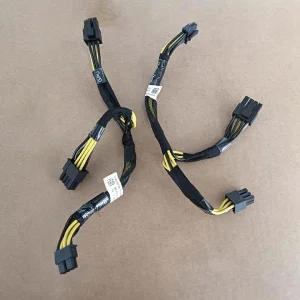
Scalable Hardware Components, Connectors, & Server Chassis Systems for Custom Integration