BoltGrid BoltGrid

Top 10 AI Computing Server Manufacturers for Global Buyers

Time:2026-11-09 Author:Mason
0%

Selecting an AI computing server manufacturer is a practical decision, not just a search for the fastest GPU. Global buyers must consider workload, delivery schedule, service coverage, and the cost of running equipment over time. A system built for model training may not suit inference, research, or mixed enterprise workloads. Small configuration details matter. Memory capacity, accelerator interconnects, network bandwidth, and storage can change performance more than a product headline suggests.

This guide introduces ten manufacturers serving the AI computing market and explains what buyers can compare. It considers product range, customization, technical support, cooling options, and the availability of deployment information. These are useful starting points, not guarantees of a perfect fit. No shortlist is perfect. Buyers should confirm current specifications, warranty terms, regional service arrangements, and realistic lead times directly with each supplier. A datasheet cannot show every constraint in a crowded data center.

The right choice depends on the job. A university lab may value flexible configurations, while a cloud provider may focus on scale, power density, and predictable maintenance. Ask how a proposed server performs under your actual workload, and request clear answers about compatible components and support response. One detail can be overlooked. Even experienced teams sometimes compare peak figures without accounting for sustained operation, facility power, or cooling capacity. The manufacturers below offer a starting point for a more informed evaluation.
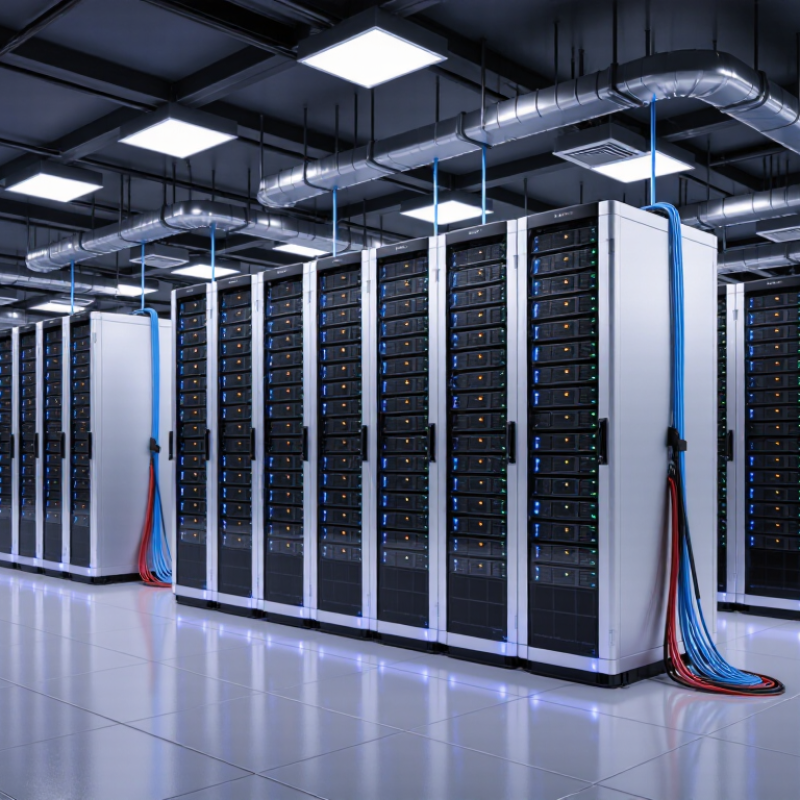
Top 10 AI Computing Server Manufacturers for Global Buyers

AI Computing Servers: Core Technologies and Market Scope

AI computing servers combine accelerators, host processors, high-bandwidth memory, and fast interconnects. Each part affects how efficiently a model can be trained or served. During training, accelerators process large batches, while the network moves data between nodes. Small delays can leave expensive hardware waiting. Cooling matters, too. Dense racks may use liquid cooling to manage heat, but facility design must support the added plumbing and maintenance. Power capacity is equally practical: a server’s peak demand can shape rack layout and operating costs.

The market spans single-server inference, multi-rack training clusters, and compact systems placed closer to users. Buyers should match configuration to workload, model size, data movement, and expected utilization. A high accelerator count alone does not guarantee faster results. Memory limits, software tuning, and network congestion can change performance substantially. Still, published benchmarks rarely reflect every production environment. That is easy to overlook. Reviewing measured performance on representative tasks, alongside power draw and service requirements, gives a more grounded comparison. Even then, forecasts can be wrong; workloads and utilization often change after deployment.

Key Criteria for Evaluating AI Server Manufacturers

Choosing an AI server manufacturer requires more than comparing processor counts. The International Energy Agency’s Electricity 2024 report estimates that data centres, AI, and cryptocurrency used about 460 terawatt-hours of electricity in 2022. Demand could exceed 1,000 terawatt-hours by 2026. Ask manufacturers for measured power draw, cooling requirements, and performance under your actual workloads. Check MLPerf results where relevant, but compare identical configurations; benchmark scores can shift with software and system settings.

Reliability is equally practical. Review component replacement times, firmware update policies, spare-parts availability, and service coverage near your deployment sites. Request thermal and noise data, not just peak performance figures. A rack may look efficient on paper, yet struggle in a warm room or under sustained workloads. Some specifications are hard to compare. That is a limitation worth recording.

Tip: Ask for a sample configuration and a written test plan. Verify performance, power use, and support response times before committing. IEA data highlights rising energy pressure; your own site measurements still matter most.

Profiles of Ten Leading AI Computing Server Manufacturers

An enterprise-focused manufacturer builds rack-scale systems for large AI clusters, with redundant power and serviceable components. A second specializes in dense accelerator servers, where careful airflow design helps prevent thermal throttling. A third emphasizes direct liquid cooling for sustained workloads. Cooling matters. A fourth adapts chassis, firmware, and network options to customer specifications, though customization can lengthen delivery times.

A fifth serves edge deployments with compact servers designed for limited space and power. A sixth integrates high-speed networking and storage, reducing the work buyers must do before installation. A seventh favors open configurations, giving technical teams more freedom to select accelerators and software. That flexibility can also increase validation work. An eighth stands out through regional engineering support and accessible replacement parts, details that matter when a system is down.

A ninth offers modular rack solutions that simplify expansion across data centers. A tenth focuses on workstation-class AI servers for smaller research teams and model development. These profiles are useful starting points, not proof of performance. Buyers should compare measured throughput, power draw, cooling needs, warranty terms, and support response times under realistic workloads. A polished specification sheet rarely reveals every operational friction. Test it locally.

Comparing Manufacturers by Architecture, Performance, and Workload

Top 10 AI Computing Server Manufacturers for Global Buyers

Comparing manufacturers means looking beyond peak accelerator counts. Architecture determines how processors, memory, and networking work together. Stanford HAI’s 2024 AI Index reports that training compute for notable AI models has doubled about every five months. This pace makes upgrade paths and scalable interconnects practical buying criteria, not minor details. A server with fast accelerators may still underperform when data movement becomes the bottleneck.

Match performance to workload. Large-scale model training benefits from high-bandwidth accelerator links, fast networking, and sufficient power and cooling. Inference may favor efficient systems with predictable latency and memory sized for the model. For example, a team serving smaller models may gain more from dense, power-conscious nodes than from the largest available configuration. Compare measured throughput, latency, and power use under your own workloads. Vendor benchmarks help, but they rarely reflect every deployment. That comparison is imperfect.

Tips: Ask manufacturers for workload-specific test results, supported accelerator and memory configurations, and realistic power figures. Check serviceability, too. Replacing a component should not require rebuilding your entire rack. Some specifications look impressive on paper; verify them in a pilot before committing.

Global Purchasing Considerations: Support, Compliance, and Cost

For global buyers, support can matter as much as processor speed. Ask manufacturers to state response hours, escalation routes, spare-parts locations, and firmware coverage in writing. A server down at 2 a.m. is not fixed by an impressive brochure. Request a sample service report and confirm whether remote diagnosis works smoothly across time zones. Small detail, big difference.

Compliance needs checking at the exact system level. Confirm applicable safety, electromagnetic compatibility, and environmental documentation for the destination market. Match certificates to the proposed configuration. A changed power supply or network card may affect the paperwork. Avoid relying on a generic declaration. Have procurement and technical teams review customs codes, labeling, and data-handling requirements with qualified local advisers. Requirements change; assumptions age quickly.

Compare total cost, not just the quoted unit price. Include freight, import charges, rack rails, cables, power use, cooling demand, deployment labor, and support renewals. Ask for measured consumption under a realistic workload, not only peak figures. A lower purchase price can become expensive in a hot rack room. Procurement spreadsheets can miss installation hours; it is an easy mistake to repeat. Estimates will still be imperfect, so leave room for spare capacity and price changes without buying hardware “just in case.”

FAQS

What components shape an AI server’s performance?

Accelerators, host processors, memory, and interconnects work together. A fast accelerator can still wait if data moves slowly.

How should I choose a server for training or inference?

Match the system to model size, workload, and expected utilization. Training often needs fast links between nodes; inference may prioritize steady latency and efficient power use.

Does a higher accelerator count always mean faster results?

No. Memory limits, software settings, and network congestion can reduce performance. More hardware is not always better.

What should I check about power and cooling?

Request measured power draw and cooling requirements under sustained workloads. A dense rack may need liquid cooling, extra plumbing, and facility changes.

How can I compare benchmark results?

Compare identical configurations and test representative tasks. Published scores can be useful, but your workload may behave differently.

Which service details matter before deployment?

Check component replacement times, firmware updates, spare-parts availability, and nearby service coverage. A failed part should not keep a whole rack idle.

What should a realistic pilot test include?

Use a sample configuration and written test plan. Measure throughput, latency, power, and support response times at your site.

How should I plan for future workloads?

Ask about upgrade paths, scalable networking, and supported memory configurations. Forecasts can miss; workloads often change after deployment.

What site conditions are easy to overlook?

Check room temperature, noise, rack layout, and power capacity. A warm room can expose weaknesses. I would still double-check the measurements.

Conclusion

This article explores the technologies and market needs shaping AI computing servers, from accelerated processing and memory capacity to networking, cooling, and system scalability. It outlines practical criteria for evaluating an ai computing server manufacturer, including engineering expertise, product reliability, configuration flexibility, and the ability to support demanding AI workloads. Profiles of ten leading manufacturers provide a framework for understanding the range of solutions available to global buyers.

The comparison considers server architectures, performance characteristics, and suitability for different workloads, helping readers assess options against their technical requirements. It also examines purchasing factors beyond hardware, such as regional support, compliance needs, delivery and maintenance arrangements, and total cost of ownership. Together, these topics offer a structured approach to comparing suppliers and selecting systems that balance performance, operational needs, and long-term value.

Mason

Mason

Mason is a seasoned marketing professional with a deep expertise in the company's offerings and a passion for driving brand awareness. With a strong background in digital marketing strategies, he has an innate ability to connect with diverse audiences and effectively communicate product benefits.......