BoltGrid BoltGrid

2026 Best AI Server Manufacturers for Global Buyers?

Time:2026-09-13 Author:Mason
0%

Choosing the best AI server manufacturer in 2026 requires more than comparing GPU counts. Global buyers need reliable performance, predictable delivery, and long-term technical support. A server may look powerful on paper, yet fail under sustained training workloads. Heat, noise, power limits, and rack density matter in real data centers.

Charles Liang, founder and CEO of Supermicro, has emphasized, “The future of computing is green computing.” His statement reflects a major industry shift. Efficient power supplies, direct liquid cooling, modular designs, and intelligent energy management now influence purchasing decisions. These features can reduce operating costs while protecting performance during demanding AI workloads.

This guide examines leading AI server manufacturers through practical buying criteria. It considers GPU compatibility, CPU balance, memory bandwidth, networking, cooling architecture, warranty coverage, and global service availability. It also reviews certifications, supply-chain resilience, and deployment experience across different regions. These details matter when a server must operate continuously in a crowded rack.

No manufacturer fits every buyer.

Some companies excel at high-density training systems. Others offer stronger customization or regional support. Pricing can also be misleading when maintenance, software integration, and replacement parts are excluded. A lower initial quote may create higher costs later. That possibility deserves careful attention.

The manufacturers discussed here are assessed using technical evidence, customer-facing capabilities, and publicly available company information. However, specifications change quickly, and vendor claims require independent verification. Buyers should test representative workloads before signing large contracts. This article offers a practical starting point, not a universal verdict.
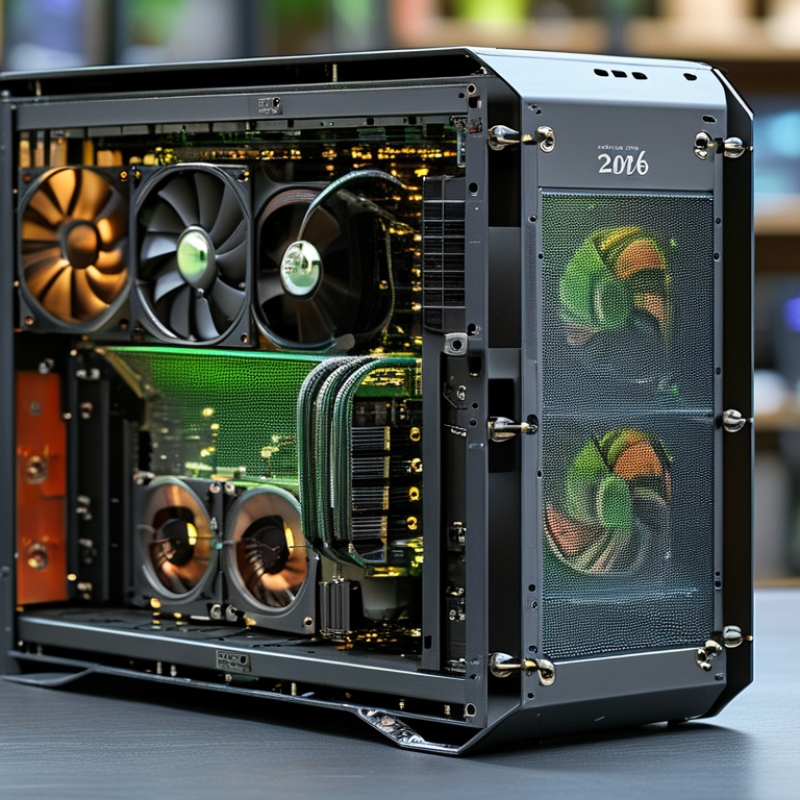
2026 Best AI Server Manufacturers for Global Buyers?

What Defines an AI Server Manufacturer in 2026?

2026 Best AI Server Manufacturers for Global Buyers?

What Defines an AI Server Manufacturer in 2026?

An AI server manufacturer does more than assemble powerful components. It designs a complete computing platform for demanding workloads. That platform includes accelerators, memory, networking, storage, power delivery, and thermal control. In real deployments, small design choices matter. A poorly placed cable can restrict airflow. An undersized power system can reduce performance during long training runs.

Experienced manufacturers validate systems with sustained workloads, not short benchmark demonstrations. They test rack density, fan behavior, acoustic levels, and recovery after component failure. Reliable technical teams provide clear configuration records, firmware guidance, and replacement procedures. They also explain performance limits honestly. Buyers should ask for test conditions, operating temperatures, supported software versions, and service response times.

Compliance and traceability now define professional manufacturing. Each server should have documented components, controlled production processes, and security checks throughout its lifecycle. Strong manufacturers can support regional power standards and responsible data-center requirements. They also understand that installation conditions vary between countries and facilities. A design that works in a laboratory may struggle in a dusty room with limited cooling.

No manufacturer gets everything right. Some specifications look impressive but hide networking bottlenecks or difficult maintenance. I have seen stable results change after a minor firmware update. That is why practical validation remains essential. Buyers should request pilot testing, inspect monitoring dashboards, and compare measured results with promised performance before scaling deployment.

Key Technologies Behind Modern AI Servers

2026 Best AI Server Manufacturers for Global Buyers?

Key Technologies Behind Modern AI Servers

Modern AI servers depend on more than powerful processors. Their design combines accelerators, high-speed memory, networking, cooling, and software control. These parts must work together under constant computational pressure.

Accelerator architecture remains central to AI performance. It determines how quickly a server trains models or processes real-time requests. High-bandwidth memory reduces data movement delays. Fast interconnects also help multiple accelerators share workloads efficiently. Small bottlenecks can waste expensive hardware.

Cooling technology has become equally important. Liquid cooling can remove heat more effectively than traditional airflow in dense racks. However, it requires careful installation, leak monitoring, and trained maintenance teams. Air cooling is simpler, but it may consume more energy at higher densities. Neither option fits every facility.

Power delivery needs close attention. Modern systems can create sudden electrical loads during intensive workloads. Reliable power supplies, battery protection, and intelligent monitoring reduce operational risks. Energy efficiency also matters for long-term ownership costs. A fast server is not always a practical server.

Software management adds another layer. Administrators need tools for workload scheduling, firmware updates, health checks, and security controls. Strong telemetry can reveal rising temperatures or memory errors before failure occurs. Yet monitoring systems can produce too many alerts. That weakness deserves honest review.

Global buyers should test complete configurations, not isolated components. Rack space, local support, spare parts, and regional compliance can change the real value. Performance claims may look impressive. Daily reliability tells a different story.

Leading AI Server Manufacturers for Global Buyers

Global buyers entering the 2026 AI server market need more than impressive specifications. Leading AI server manufacturers should provide dependable compute platforms, clear documentation, and support across different regions. A serious evaluation begins with workload fit, not marketing language. Training systems may require dense accelerator configurations, while inference servers often prioritize energy efficiency, memory capacity, and predictable response times.

In practical deployments, thermal design matters. High-density racks can produce substantial heat within a small room. Manufacturers should explain airflow requirements, power limits, cooling options, and maintenance access. They should also offer tested compatibility with processors, accelerators, storage systems, and common orchestration software. Certification for regional electrical standards is essential. So is responsive technical support. A delayed replacement part can interrupt a production schedule for days.

Procurement teams should examine warranty terms, firmware practices, security controls, and supply continuity. Transparent performance testing is more useful than a single peak benchmark. Ask for results under sustained workloads, not only short demonstrations. I have seen buyers underestimate facility upgrades. That assumption can fail. Still, no evaluation is perfect. Workloads change, energy prices move, and component availability remains uncertain. The strongest manufacturers acknowledge these risks and help customers plan realistic deployment stages. Their value appears in stable operation, measurable service quality, and honest communication after installation.

How to Compare AI Server Performance and Reliability

When comparing AI server manufacturers for global buyers, measured performance matters more than impressive specification sheets. Test the exact workload your team will run, such as model training, inference, or image processing. Record tokens per second, response latency, memory bandwidth, and scaling across multiple accelerators. A server that performs well for ten minutes may throttle after two hours.

Thermal design reveals practical engineering quality. During testing, monitor processor temperature, fan speed, power draw, and error logs. Check whether performance remains stable in a warm data room. Examine accelerator spacing, airflow paths, redundant power supplies, and ECC memory support. Small design choices matter. They affect maintenance time and electricity costs.

Reliability also depends on evidence beyond hardware. Ask manufacturers for independent benchmark results, failure-rate data, firmware policies, and documented service-level response times. Verify spare-parts availability in your region, remote diagnosis tools, warranty coverage, and technician training. My own early comparisons focused too heavily on peak throughput. That was a mistake. Long-term uptime, predictable updates, and clear technical support often matter more than a higher headline score. Reviewers should repeat tests with identical software versions and workloads, because inconsistent settings can make weak systems look strong. Even then, results remain imperfect. Real workloads change, and published numbers rarely capture every operational problem.

2026 Best AI Server Manufacturers for Global Buyers? How to Compare AI Server Performance and Reliability

Annual downtime is calculated from the standard availability formula: 8,760 hours × (1 − availability). Use SLA availability together with measurable performance indicators such as accelerator throughput, memory bandwidth, interconnect bandwidth, power efficiency, thermal stability, and verified failure-recovery procedures when comparing AI server suppliers.

Global Purchasing, Support, and Compliance Considerations

2026 Best AI Server Manufacturers for Global Buyers?

Global Purchasing, Support, and Compliance Considerations

Choosing an AI server manufacturer requires more than comparing processor speed and purchase price. Global buyers should examine factory testing, supply continuity, and technical documentation. A server may pass a factory test yet fail during customs inspection or local installation. Ask for serial-number tracking, packing details, power requirements, and clear delivery responsibilities. Confirm whether replacement parts are stocked near your operating region. Small delays can stop an entire compute cluster.

Support quality matters after payment. Request response-time commitments, remote diagnosis procedures, and escalation contacts. Engineers should provide firmware guidance, thermal recommendations, and rack integration advice. Compliance checks should cover electrical safety, radio interference, energy rules, and import documentation. Data residency may also affect deployment plans, especially when servers process sensitive workloads. Requirements differ by destination, so local legal and technical review remains necessary. No checklist is perfect. Teams sometimes overlook regional power sockets or language differences in service manuals.

Tips: Test one unit before ordering at scale. Review warranty exclusions carefully. Ask for a sample customs document set. Verify encryption features with qualified advisers. Keep written records of every compliance statement. A low-cost quote may hide installation, certification, or support expenses. Build a total-cost model that includes shipping, duties, spare parts, training, and downtime. This approach feels slower, but it exposes weaknesses before they become expensive operational problems.

FAQS

What does an AI server manufacturer provide beyond powerful processors?

It builds a complete platform for demanding workloads. This includes accelerators, memory, networking, storage, power delivery, cooling, and software control.

How should buyers evaluate AI server performance?

Request sustained workload tests, not only short benchmark demonstrations. Check operating temperatures, rack density, fan behavior, and recovery after component failure.Real workloads matter.

Why are cooling systems important in AI servers?

Dense servers generate substantial heat during training. Liquid cooling can remove heat efficiently but needs leak monitoring and trained maintenance teams.Air cooling is simpler.

What should buyers examine in server power delivery?

Review power-supply capacity, sudden electrical loads, battery protection, and monitoring features. An undersized system may reduce performance during long workloads.Fast is not always practical.

How do networking and memory affect AI server performance?

High-bandwidth memory reduces data movement delays. Fast interconnects help accelerators share workloads efficiently. A small network bottleneck can waste expensive hardware.The parts must cooperate.

What software management features should an AI server include?

Useful tools include workload scheduling, firmware updates, health checks, security controls, and detailed telemetry. Monitoring can reveal rising temperatures or memory errors early.Too many alerts can confuse teams.

What support information should global buyers request?

Ask for response-time commitments, remote diagnosis steps, escalation contacts, firmware guidance, and rack integration advice. Confirm nearby spare-parts availability and replacement procedures.Written records help.

Which compliance and delivery details require attention?

Confirm serial-number tracking, packing details, power requirements, customs documents, electrical safety, energy rules, and import responsibilities. Regional sockets and service languages can cause delays.Small details become expensive.

How can buyers reduce risks before purchasing many servers?

Test one unit first. Compare measured results with promised performance. Calculate shipping, duties, training, spare parts, installation, and downtime costs.I would not trust a low quote alone.

Conclusion

Choosing the best ai server manufacturer in 2026 requires more than comparing processor specifications. A capable manufacturer should provide scalable systems designed for demanding AI workloads, including advanced accelerators, high-speed memory, efficient networking, reliable storage, and sophisticated thermal management. Modern AI servers must also support flexible configurations for training, inference, virtualization, and future hardware upgrades while maintaining strong performance, energy efficiency, and operational stability.

Global buyers should evaluate manufacturers through independent performance testing, component quality, system reliability, warranty coverage, technical support, delivery capability, and long-term maintenance services. Factors such as regional availability, export requirements, data protection expectations, product certifications, and local compliance can significantly affect purchasing decisions. A complete assessment should therefore balance computing power with total ownership cost, service responsiveness, supply-chain transparency, and integration support. The right partner is one that can deliver secure, dependable, and adaptable AI infrastructure for both current projects and evolving business needs.

Mason

Mason

Mason is a seasoned marketing professional with a deep expertise in the company's offerings and a passion for driving brand awareness. With a strong background in digital marketing strategies, he has an innate ability to connect with diverse audiences and effectively communicate product benefits.......